Imagine preparing a gourmet meal, the sizzling of ingredients and the aroma of herbs filling your kitchen, all without the disruptive roar of a loud range hood. For many, a noisy kitchen appliance can quickly turn cooking from a joy into a chore, especially in modern open-concept homes where kitchen sounds permeate living spaces. Investing in a quiet range hood is not just about ventilation; it’s about preserving the tranquility of your home and enhancing your culinary experience. A truly quiet range hood efficiently clears smoke, grease, and odors, allowing for conversation, music, or simply peaceful contemplation while you cook.
This comprehensive guide will explore the essential aspects of quiet range hoods, from understanding noise levels and key features to a curated list of top models, ensuring you can select the perfect silent companion for your kitchen.
Exploring Different Types of Quiet Range Hoods
The quest for a quiet kitchen begins with understanding the various range hood types and how their design influences noise levels. Fortunately, advancements in technology mean that quiet options are now available across almost all styles, ensuring effective ventilation without sonic disruption.
- Under-Cabinet Range Hoods: These are installed directly beneath your upper cabinets, making them a popular choice for smaller kitchens or those with limited overhead space. They offer a sleek, integrated look. While traditionally compact, many modern under-cabinet models incorporate noise-reduction technologies to provide quiet operation.
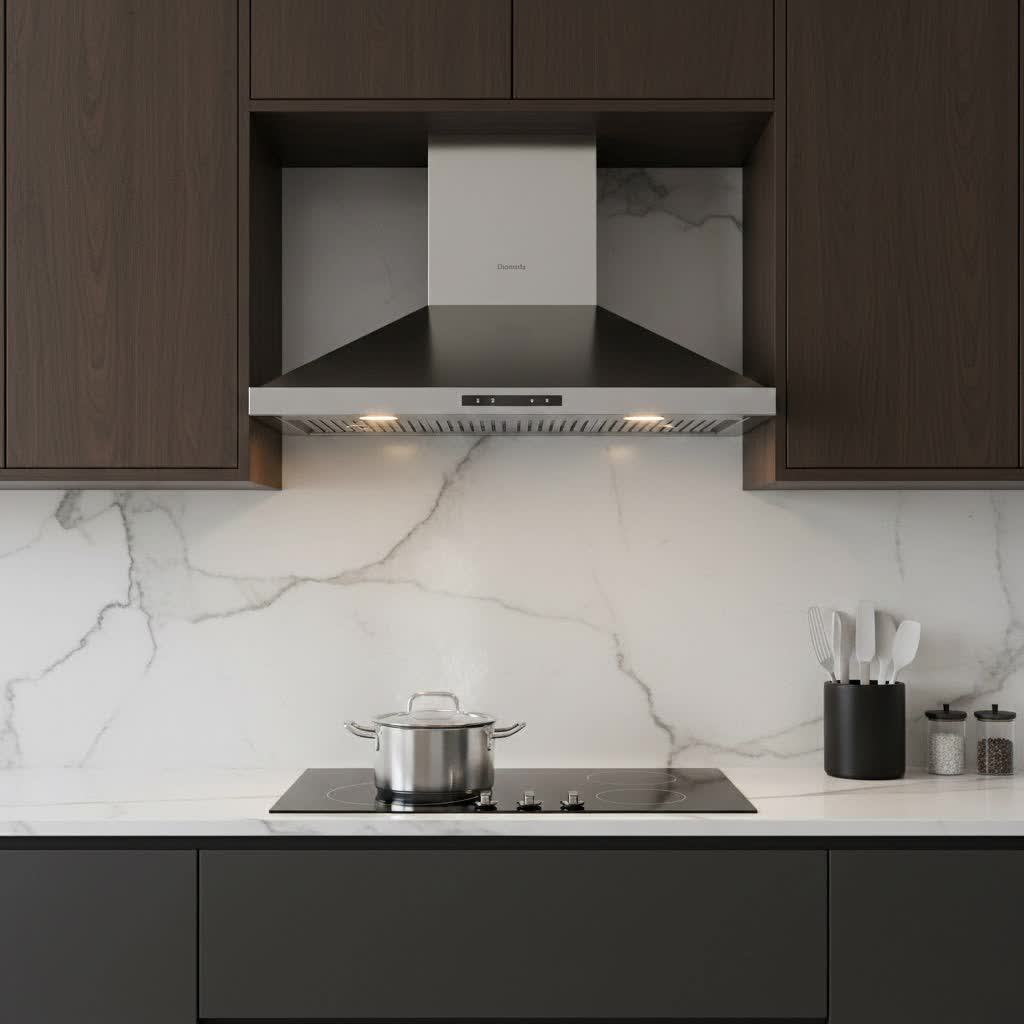
- Wall-Mounted Chimney Hoods: Making a prominent design statement, wall-mounted chimney hoods often become a kitchen’s focal point. They extend from the wall to the ceiling, with a visible flue. Many feature advanced noise-dampening materials and powerful, yet quiet, motors to manage high-CFM airflow with minimal sound.
- Island Range Hoods: Suspended from the ceiling over a kitchen island cooktop, these hoods are crucial for island configurations. Modern island hoods are engineered with quiet motor technology and efficient airflow designs to ensure effective ventilation right where it’s needed, without disturbing the surrounding living area.
- Insert Range Hoods (Power Packs): For a completely seamless, custom aesthetic, insert range hoods are built into a cabinet or a decorative hood surround. This allows for ultimate design flexibility while housing high-performance, quiet units. Their hidden nature can sometimes contribute to reduced perceived noise.
- Downdraft Ventilation Systems: Unlike overhead hoods, downdraft vents rise from the countertop behind the cooktop when in use, pulling smoke and odors downwards. While often less powerful than overhead hoods, some advanced downdraft models boast significant noise reduction, providing a discreet and quiet solution, especially for minimalist kitchens.
Key Factors to Consider When Buying a Quiet Range Hood
Choosing the right quiet range hood involves more than just aesthetics; it requires a deep dive into technical specifications and features designed to minimize noise while maximizing performance.
Understanding Sone Ratings: The True Measure of Quiet
When shopping for a quiet range hood, the most crucial metric you’ll encounter is the sone rating. Unlike decibels (dB), which measure sound intensity on a logarithmic scale, sones measure perceived loudness, making it a more intuitive indicator of how loud a range hood will feel to the human ear.
- 1 Sone or Less: This is the gold standard for quiet, comparable to a quiet refrigerator hum or a soft whisper. Hoods operating at this level are virtually unnoticeable.
- 1 to 2 Sones: Still considered very quiet, similar to soft background music in a calm room. These levels allow for comfortable conversation.
- 3 to 4 Sones: While audible, this range is comfortable, akin to a normal conversation in an adjacent room.
- Higher Sones (e.g., 6-10+): These levels are noticeably loud, comparable to a running dishwasher or a busy restaurant, and can certainly disrupt conversation.
|
Our Picks for the Best Range hood in 2026
As an Amazon Associate I earn from qualifying purchases.
|
||
| Num | Product | Action |
|---|---|---|
| 1 | SNDOAS 30 inch Range Hood Ducted/Ductless Convertible Stainless Steel Range Hood Under Cabinet with Rocker Button Control,Vent Hood with LED Light,2 Speed Exhaust Fan,Under Cabinet Hood,Silver |

|
| 2 | Broan-NuTone BCSQ130SS Three-Speed Glacier Under-Cabinet Range Hood with LED Lights ADA Capable, 1.5 Sones, 375 Max Blower CFM, 30-Inch, Stainless Steel |
|
| 3 | Broan-NuTone 413001 Non-Ducted Ductless Range Hood with Lights Exhaust Fan for Under Cabinet, 30-Inch, White |
|
| 4 | COMFEE' CVU30W2AST Range Hood 30 Inch Ducted Ductless Vent Hood Durable Stainless Steel Kitchen Hood for Under Cabinet with 2 Reusable Filter, 200 CFM, 2 Speed Exhaust Fan Silver |
|
| 5 | VIKIO HOME Wall Mount Range Hood 30 inch, 580 CFM, Ducted/Ductless Convertible, Stainless Steel Kitchen Vent Hood with 3-Speed Fan and LED Lights |
|
| 6 | COMFEE' CVU30W4AST 30 inch Under Cabinet Ducted/Ductless Convertible Slim Vent Durable Stainless Steel Kitchen Reusable Filter, 3 Speed Exhaust Fan and 1 LED Lights Range Hood, 2.0 Version |
|
| 7 | COSMO COS-63175S 30 in. Vista Collection 380 CFM Ducted Wall Mount Range Hood, Touch Controls, LED Lights, Stainless Steel |
|
| 8 | Empava Wall Mount Range Hood 30 Inch, Ducted/Ductless Kitchen Exhaust Stove Vent with Modern Style, 400CFM, 3-Speed, Touch Control, Timer, LED Lights, Stainless Steel (Charcoal-Filter Sold Separately) |
|
| 9 | AMZCHEF Under Cabinet Range Hood 30 Inch, 750CFM Stainless Steel Kitchen Stove Vent Hood 3 Speed Exhaust Fan Touch/Remote/Gesture Control LED lights Time Setting Dishwasher-Safe Baffle Filters |
|
| 10 | IKTCH 30-inch Wall Mount Range Hood 900 CFM Ducted/Ductless Convertible, Kitchen Chimney Vent Stainless Steel with Gesture Sensing & Touch Control Switch Panel, 2 Pcs Adjustable Lights(IKP02-30'') |
|
For a truly peaceful kitchen, aim for a range hood with a sone rating of 1 to 2 on its lowest setting, ensuring you can cook and entertain without shouting over your appliance.
“Many consumers focus solely on CFM, but the sone rating is arguably more critical for daily comfort. A powerful hood doesn’t have to be a loud one if engineered correctly.” – Alex Pham, Senior Appliance Technician, Reviewike.com
CFM (Cubic Feet Per Minute): Balancing Power with Quiet
CFM measures the volume of air a range hood moves per minute. A higher CFM indicates more powerful ventilation, essential for effectively removing smoke, steam, and odors. While there’s often a correlation between higher CFM and increased noise, modern technology allows for powerful range hoods that remain remarkably quiet.
To determine the appropriate CFM for your kitchen:
- Kitchen Volume: Multiply your kitchen’s length, width, and height (in feet) to get its cubic footage.
- Air Changes: Divide the cubic footage by 4, as most experts recommend a full air change every four minutes. This provides a baseline CFM.
- Cooking Habits: For electric cooktops or light cooking, 300-400 CFM is often sufficient. Gas cooktops or heavy cooking (frying, searing) may require 400-600 CFM or even higher.
Look for models that offer variable speed settings, allowing you to use a quieter, lower CFM setting for lighter cooking and reserve higher, potentially louder, settings for intense culinary tasks.
Ducted vs. Ductless: The Quiet Advantage
The choice between ducted and ductless range hoods significantly impacts noise levels.
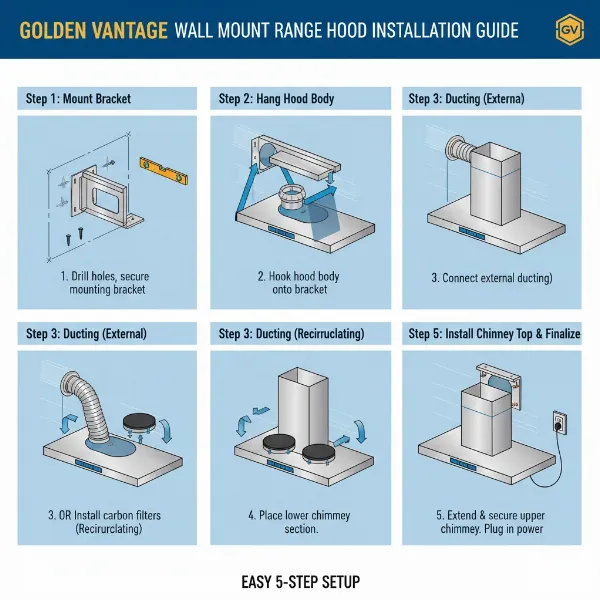
- Ducted Range Hoods: These exhaust air directly outside your home through a system of ducts. They are generally much quieter and more effective because the motor and fan are often further away, and contaminated air is completely removed, not just filtered and recirculated. For optimal quietness, ensure proper ductwork installation with the largest compatible duct size and the shortest, straightest possible run.
- Ductless Range Hoods: These recirculate filtered air back into the kitchen using charcoal filters. They tend to be louder because the air is pushed back into the room and the filters themselves can create resistance and noise. While practical for apartments or situations where external venting isn’t possible, they are rarely the quietest option.
Motor Quality and Noise-Reduction Technology
The heart of any quiet range hood lies in its motor and the technologies employed to minimize sound.
- Brushless DC Motors: These are more efficient, durable, and significantly quieter than traditional AC motors.
- Sound Insulation: Many quiet models incorporate sound-dampening materials and advanced housing designs to absorb vibrations and reduce operational noise.
- External or Remote Blowers: For the ultimate in quiet performance, some high-end systems allow the blower motor to be installed outside the kitchen (e.g., in the attic or outside wall), effectively moving the noise away from your living space.
Filter Type and Maintenance
Even the quietest range hood can become noisy if its filters are clogged.
- Baffle Filters: Made of stainless steel, baffle filters create a labyrinth that captures grease effectively while allowing air to flow through more smoothly than mesh filters. This design often results in quieter operation and easier cleaning (many are dishwasher-safe).
- Mesh Filters: While common, mesh filters can trap more debris and become clogged faster, forcing the motor to work harder and generate more noise.
- Regular Cleaning: Regardless of type, clean your filters frequently to maintain optimal airflow and prevent unnecessary motor strain and noise.
Size and Proper Installation
An ill-fitting or improperly installed range hood can compromise both its performance and quietness.
- Size: Your range hood should ideally be at least as wide as your cooktop, and preferably 3-6 inches wider on each side for maximum capture efficiency.
- Installation Height: Follow manufacturer guidelines for installation height (typically 24-30 inches above electric cooktops, 28-36 inches above gas). Incorrect height can reduce effectiveness, leading to the need for higher, noisier fan speeds.
- Professional Installation: Investing in professional installation ensures correct ductwork, secure mounting, and proper sealing, all of which contribute to a quieter operation.
Comparison Table: Top 5 Quietest Range Hoods for Silent Cooking
Here’s a comparison of some of the best quiet range hoods available today, offering a blend of performance, features, and serene operation.
| Model | Type | CFM (Max) | Sones (Lowest Setting) | Key Features for Quietness |
|---|---|---|---|---|
| Best HBN1 Series 30″ Insert | Insert | 650 | <1 sone | Ultra-quiet operation, SmartSense infrared heat sensor, voice control, Wi-Fi connectivity |
| Best WCP1 Series 30″ Wall Mounted | Wall-Mounted | 650 | <1 sone | Ultra-quiet operation, SmartSense infrared sensors, voice activation, capacitive touch slider |
| Broan Elite Chimney Hood (various) | Wall-Mounted | 640 | 0.3 sones | Advanced blower technology, LED lighting, delay-off timer, dishwasher-safe filters |
| Victory Luna 30″ Under-Cabinet | Under-Cabinet | 600 | 1.0 sone | Powerful dual blower, sound-dampening design, commercial-grade performance |
| Proline PLJW-129 Wall-Mounted | Wall-Mounted | 900-1200 | Barely noticeable (low) | Premium construction, powerful yet quiet motor on low settings, baffle filters |
Note: Sone ratings can vary slightly based on specific models within a series and installation factors. “Barely noticeable” indicates anecdotal user feedback on lowest settings when a specific sone rating wasn’t readily available, but generally signifies a very low noise profile.
Your Buying Guide: Selecting Your Silent Kitchen Companion
Navigating the options for a quiet range hood can be simplified by focusing on your specific needs and preferences.
- Set Your Budget: Quiet, high-performance range hoods often come with a premium price tag, especially those with advanced noise-reduction technologies like remote blowers or brushless motors. Determine what you’re willing to invest for kitchen serenity.
- Assess Your Cooking Habits & Kitchen Layout: If you rarely cook heavy, smoky meals, a lower CFM with excellent sone ratings might suffice. For avid cooks or open-concept kitchens, prioritize models with higher CFM that still maintain low sone levels on their regular settings. Your kitchen layout will dictate the hood type (under-cabinet, wall-mounted, island, insert).
- Prioritize Brands Known for Quietness: Brands like Best, Broan, Victory, and Thermador are often recognized for engineering quieter range hoods. Look for models specifically advertised with noise-reduction features or low sone ratings.
- Consider Professional Installation: For optimal performance and quiet operation, especially with ducted models, professional installation is highly recommended. Correct duct sizing, minimal bends, and secure mounting can drastically reduce noise.
- Read Reviews and Consult Experts: While specifications are important, real-world user reviews can offer valuable insights into a hood’s actual noise level during daily use. Don’t hesitate to consult with appliance specialists for personalized recommendations.
Conclusion
Choosing the quietest range hood is a crucial step towards creating a more enjoyable and functional kitchen environment. By understanding sone ratings, balancing CFM needs, and considering factors like motor technology and installation, you can find a ventilation system that efficiently clears your air without disrupting your peace. A quiet kitchen isn’t just a luxury; it’s an investment in your home’s comfort and air quality, allowing you to fully immerse yourself in the art of cooking.
What does your ideal quiet cooking experience look like?
Frequently Asked Questions
What is considered a good sone level for a quiet range hood?
A good sone level for a quiet range hood is typically 1 to 2 sones on its lowest setting, comparable to the gentle hum of a refrigerator or soft background noise. Some premium models can even achieve ratings below 1 sone, providing virtually silent operation for a truly peaceful cooking environment.
Can a high CFM range hood also be quiet?
Yes, a high CFM range hood can absolutely be quiet. While higher CFM generally correlates with more powerful airflow and potential noise, modern engineering advancements include features like brushless motors, specialized fan designs, and advanced sound insulation to provide robust ventilation with minimal sound.
Are ductless range hoods quieter than ducted?
No, ducted range hoods are generally quieter than ductless models. Ducted hoods expel air outside, often with the blower motor located further away. Ductless hoods recirculate air through filters back into the kitchen, and the resistance from these filters, combined with the fan operating within the living space, typically results in higher noise levels.
How does proper installation affect range hood noise?
Proper installation significantly impacts range hood noise. Incorrect duct sizing (too small), too many bends or long runs in the ductwork, or loose mounting can all create turbulence and vibrations, increasing the operational noise. Professional installation ensures optimal airflow pathways and secure fitting, contributing to a quieter performance.
What are baffle filters, and do they help with noise?
Baffle filters are metal filters with a series of interlocking baffles that create a path for air, effectively capturing grease while allowing air to flow through more smoothly. Their design typically makes them quieter and more efficient than mesh filters, which can clog easily and force the motor to work harder, generating more noise.