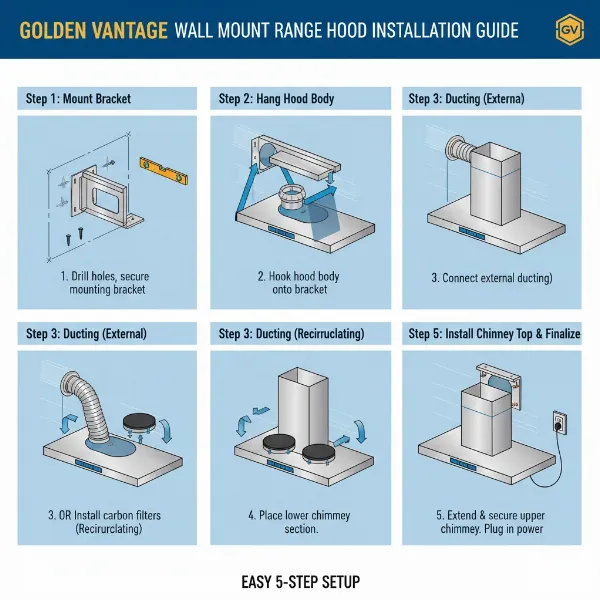
Upgrading your kitchen often means saying goodbye to old appliances, and your trusty range hood is no exception. But when your old range hood is broken or simply past its prime, tossing it in the regular trash isn’t just irresponsible – it can be harmful to the environment and potentially against local regulations. Understanding how to properly recycle your old broken range hood is a crucial step towards a more sustainable home. This guide will walk you through the essential steps, various disposal options, and the compelling reasons why mindful recycling truly matters for our planet.
Why Recycling Your Range Hood Matters for the Planet
Recycling an old range hood extends far beyond just decluttering your kitchen; it’s a commitment to environmental stewardship. These appliances, while seemingly simple, are composed of valuable materials that can be given a new life. By choosing to recycle, you actively contribute to reducing landfill waste, conserving precious natural resources, and minimizing the ecological footprint of consumer goods.
Range hoods are primarily made of metals such as steel and aluminum, along with internal components containing copper wiring and motors. Extracting these materials through recycling is significantly less energy-intensive than mining and processing virgin resources. For instance, recycling steel saves a considerable amount of energy compared to producing new steel. While standard range hoods typically don’t contain refrigerants, a common concern with other large appliances, promoting responsible recycling for all electronics helps prevent potentially hazardous substances from contaminating soil and water. Many municipalities and states have also implemented regulations or outright bans on landfilling large appliances, underscoring the legal and environmental imperative of proper disposal.
Preparing Your Range Hood for Recycling
Before you send your old range hood off for recycling, a little preparation can ensure the process is smooth and safe. Taking a few simple steps helps recyclers process the materials more efficiently and protects anyone handling the unit.
Your first priority should always be safety. Ensure the range hood is completely disconnected from its power source. If it’s plugged into an outlet, simply unplug it. For hardwired units, you must turn off the corresponding circuit breaker at your home’s electrical panel. This prevents electrical hazards during removal and transport.
Next, consider light disassembly. While not always required by every recycling center, removing certain parts can sometimes make the recycling process easier or even allow for separate disposal. Start by taking out any removable filters, which can often be cleaned and disposed of with regular household waste if they are heavily soiled or no longer usable. If you plan to take the unit to a scrap yard that pays for specific metals, you might consider separating the main metal casing from the internal wiring, motors, and plastic components. This can help maximize the value of the metals you’re scrapping. Finally, giving the unit a basic wipe-down is a good practice; a cleaner appliance is always appreciated by recyclers and easier to handle.
Where to Recycle or Dispose of Your Old Range Hood
Finding the right place to get rid of your old, broken range hood depends on your location, the appliance’s condition, and your personal convenience. Fortunately, several avenues exist to ensure it’s disposed of responsibly.
One of the most convenient options, especially when upgrading, is to inquire about appliance retailer take-back programs. Many appliance stores offer to haul away your old unit when they deliver and install a new one. Some retailers might even provide a small discount or voucher as an incentive for recycling. This service often includes the responsible disposal of the old appliance, saving you the hassle of transportation.
Alternatively, you can seek out local recycling centers or scrap yards. These facilities are equipped to process large metal appliances and often accept range hoods for recycling. It’s always a good idea to call ahead to confirm their acceptance policies, as some centers might have specific requirements regarding disassembly or removal of certain components. Depending on the current market value of metals like steel, aluminum, and copper, some scrap yards might even pay you a small amount for your old hood, turning your trash into a modest treasure.
For those who prefer a hands-off approach, junk removal services offer a full-service solution. Companies like 1-800-GOT-JUNK? specialize in picking up bulky items directly from your home, attic, or garage, handling all the heavy lifting and transportation. They then ensure the items are donated or recycled whenever possible, providing peace of mind that your range hood is disposed of responsibly. Pricing for these services is typically based on the volume of items removed.
Your municipal bulky item collection service is another potential route. Many cities and counties offer periodic curbside pickup for large household items. You’ll need to check with your local waste management department for their specific schedules, rules, and any associated fees. Often, these services require you to place the item at the curb by a certain date and may need advance scheduling. It’s crucial to understand their guidelines, as some may not accept certain appliances or might have preparation requirements.
While less common for range hoods specifically, it’s worth a quick check with utility company programs. Some utility providers offer rebates or incentives for recycling old, energy-inefficient appliances like refrigerators or freezers. Although a range hood isn’t typically included, these programs do exist for large appliances and demonstrate a broader commitment to sustainable disposal that might have local variations.
“Responsible appliance disposal is more than just a chore; it’s an opportunity to contribute to a circular economy, ensuring valuable materials are recovered and re-used, rather than simply discarded.”
Alternatives to Disposing of a Broken Range Hood
Even if your range hood is technically “broken,” there might be alternative uses or paths to extend its life or components before resorting to full recycling. These options can be especially appealing for DIY enthusiasts or those looking to minimize waste even further.
If the “broken” aspect is minor or repairable, consider repairing it. A simple fix, like replacing a faulty switch or a burnt-out motor, could give your range hood many more years of service, postponing the need for disposal entirely. Local appliance repair shops might offer cost-effective solutions.
For those with a knack for tinkering, selling for parts or repurposing components is a viable option. Even a non-functional range hood contains useful parts such as the fan motor, lighting fixtures, or various metal casings. These components could be salvaged and sold to individuals looking for replacement parts for their own repairs, or they could inspire creative DIY projects. For example, a fan motor might be repurposed for a workshop ventilation system, or the metal housing could become part of an artistic installation. Scrapping the metals for cash at a scrap yard also falls under this category, allowing you to recover some value from the raw materials.
Conclusion
Saying goodbye to an old, broken range hood doesn’t have to be a complicated or environmentally damaging process. By understanding the available options—from convenient retailer take-back programs and dedicated recycling centers to professional junk removal services and municipal collections—you can ensure your appliance is handled responsibly. Preparing your unit correctly and recognizing the valuable resources it contains are key steps in this journey. Choosing to recycle not only prevents valuable materials from ending up in landfills but also supports a more sustainable future for our planet. So, as you bid farewell to your old kitchen companion, remember that responsible disposal is the ultimate upgrade. What steps will you take to ensure your old appliances contribute to a healthier environment?
Frequently Asked Questions
Can I throw my broken range hood in the regular trash?
|
Our Picks for the Best Range hood in 2026
As an Amazon Associate I earn from qualifying purchases.
|
||
| Num | Product | Action |
|---|---|---|
| 1 | Empava Wall Mount Range Hood 30 Inch, Ducted/Ductless Kitchen Exhaust Stove Vent with Modern Style, 400CFM, 3-Speed, Touch Control, Timer, LED Lights, Stainless Steel (Charcoal-Filter Sold Separately) |

|
| 2 | AMZCHEF Under Cabinet Range Hood 30 Inch, 750CFM Stainless Steel Kitchen Stove Vent Hood 3 Speed Exhaust Fan Touch/Remote/Gesture Control LED lights Time Setting Dishwasher-Safe Baffle Filters |
|
| 3 | COSMO COS-63175S 30 in. Vista Collection 380 CFM Ducted Wall Mount Range Hood, Touch Controls, LED Lights, Stainless Steel |
|
| 4 | Broan-NuTone BCSQ130SS Three-Speed Glacier Under-Cabinet Range Hood with LED Lights ADA Capable, 1.5 Sones, 375 Max Blower CFM, 30-Inch, Stainless Steel |
|
| 5 | COMFEE' CVU30W4AST 30 inch Under Cabinet Ducted/Ductless Convertible Slim Vent Durable Stainless Steel Kitchen Reusable Filter, 3 Speed Exhaust Fan and 1 LED Lights Range Hood, 2.0 Version |
|
| 6 | Broan-NuTone 413001 Non-Ducted Ductless Range Hood with Lights Exhaust Fan for Under Cabinet, 30-Inch, White |
|
| 7 | SNDOAS 30 inch Range Hood Ducted/Ductless Convertible Stainless Steel Range Hood Under Cabinet with Rocker Button Control,Vent Hood with LED Light,2 Speed Exhaust Fan,Under Cabinet Hood,Silver |
|
| 8 | IKTCH 30-inch Wall Mount Range Hood 900 CFM Ducted/Ductless Convertible, Kitchen Chimney Vent Stainless Steel with Gesture Sensing & Touch Control Switch Panel, 2 Pcs Adjustable Lights(IKP02-30'') |
|
| 9 | COMFEE' CVU30W2AST Range Hood 30 Inch Ducted Ductless Vent Hood Durable Stainless Steel Kitchen Hood for Under Cabinet with 2 Reusable Filter, 200 CFM, 2 Speed Exhaust Fan Silver |
|
| 10 | VIKIO HOME Wall Mount Range Hood 30 inch, 580 CFM, Ducted/Ductless Convertible, Stainless Steel Kitchen Vent Hood with 3-Speed Fan and LED Lights |
|
Generally, no. Most municipalities prohibit throwing large appliances like range hoods in regular trash due to their size and metal content. Many have specific rules or dedicated bulky item collection services to ensure proper disposal and recycling.
Do appliance stores recycle old range hoods?
Yes, many appliance retailers offer take-back programs, especially when you purchase a new range hood from them. They often include the removal and responsible recycling of your old unit as part of their delivery and installation service. Always confirm this service when making a new purchase.
What parts of a range hood can be recycled?
The vast majority of a range hood is recyclable. The main casing is typically made of steel or aluminum, and internal components contain valuable copper wiring and motors. Filters, lights, and other plastic parts may also be recyclable, depending on the facility’s capabilities.
Is there a fee to recycle a range hood?
The cost can vary. Some recycling centers or scrap yards might offer a small payment for the metal content, while others, or municipal services, might charge a modest disposal fee. Junk removal services charge based on volume. It’s best to check with your chosen recycling option beforehand.
How can I find an appliance recycling center near me?
You can find local appliance recycling centers by searching online for “appliance recycling [your city/ZIP code]”, “scrap metal yard [your city/ZIP code]”, or by checking your city or county’s waste management website. Websites like Earth911 also offer recycling locators.