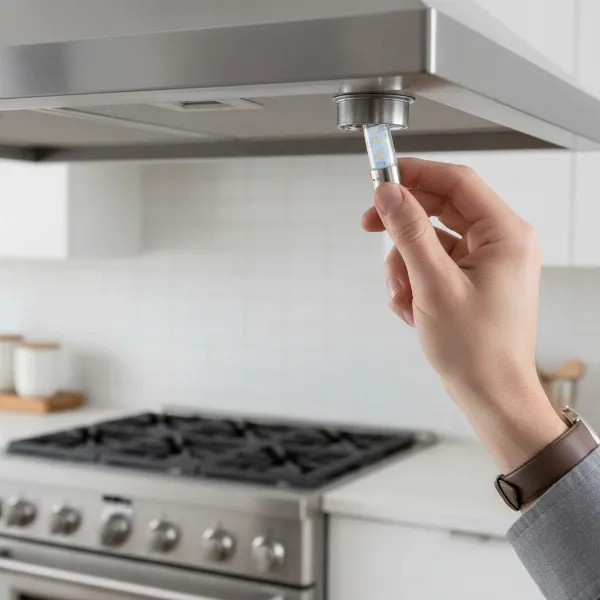
The aroma of a delicious meal can fill your home with warmth, but lingering smoke, grease, and odors are less appealing. A well-functioning range hood is your kitchen’s best defense against airborne cooking byproducts, yet its effectiveness hinges significantly on one critical factor: its mounting height. Installing your range hood at the correct height is not just about aesthetics; it’s vital for ensuring efficient ventilation, maintaining safety, and enhancing your overall cooking experience.
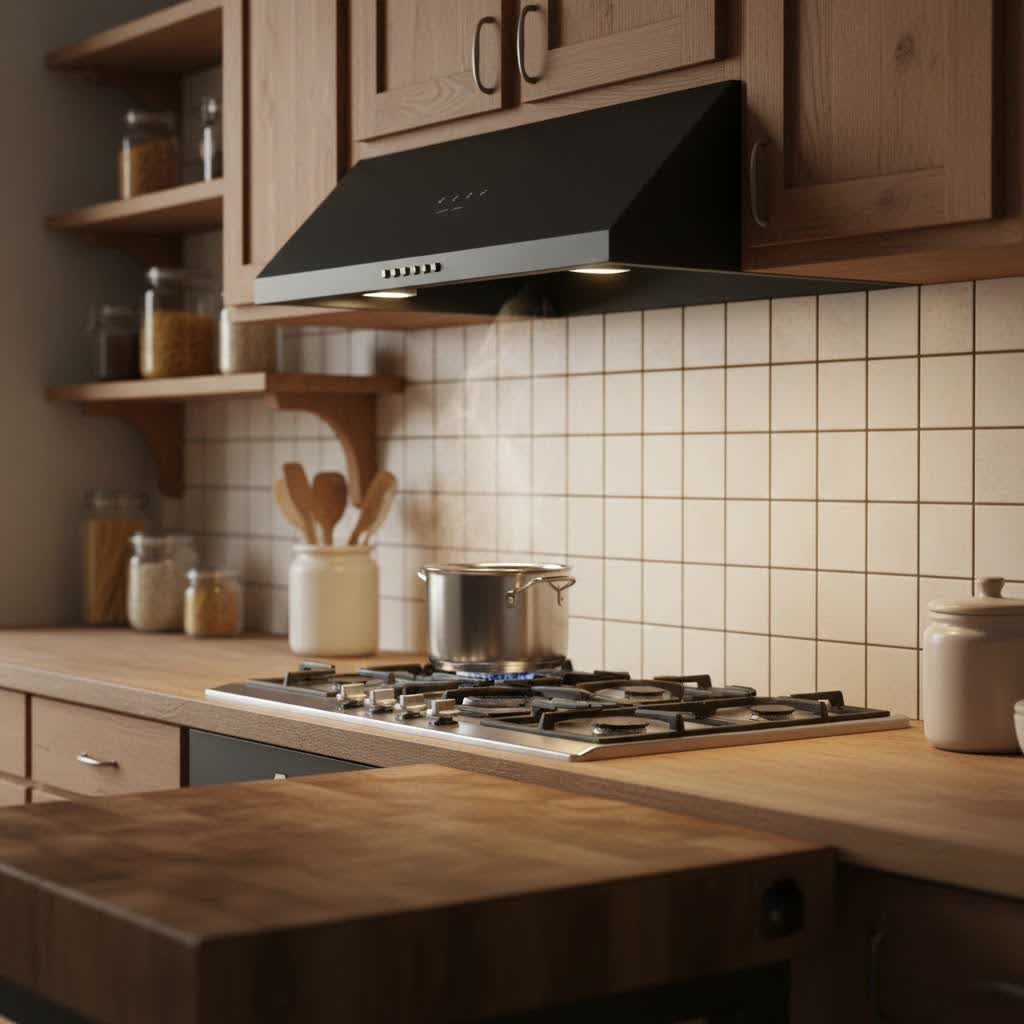
This guide will demystify the complexities of range hood installation height, covering everything from the type of cooktop you own to the style of your hood, and why these measurements are paramount for a healthy and clean kitchen environment.
Common Types of Range Hoods
Understanding the different types of range hoods can provide context for their installation requirements, particularly regarding height. While the core principles of effective capture remain, the design and placement can influence specific mounting considerations.
- Under-Cabinet Range Hoods: These are typically installed directly beneath kitchen cabinets, offering a seamless look and often suitable for smaller kitchens. Their height is constrained by the cabinet above.
- Wall-Mount Chimney Hoods: Designed to be a focal point, these hoods attach directly to the wall above the range and extend upwards, often featuring an exposed chimney. Their height offers more flexibility.
- Island Range Hoods: Suspended from the ceiling above a kitchen island cooktop, these hoods require careful consideration for ducting and often need to be wider than the cooktop to compensate for the lack of surrounding walls to help funnel smoke.
- Downdraft Ventilation: Unlike overhead hoods, downdraft systems pull smoke and odors downwards and are typically integrated into the cooktop or countertop. These have no overhead height considerations.
- Professional (Pro-Style) Range Hoods: Built for high-BTU (British Thermal Unit) commercial-grade ranges, these are often larger, more powerful, and designed to handle significant heat and smoke.
- Recirculating (Ductless) Hoods: These filter air and return it to the kitchen. While easier to install as they don’t require external ducting, their overall effectiveness is generally lower than vented models.
Factors Determining Optimal Range Hood Height
The “right” height for your range hood isn’t a one-size-fits-all answer. Several key factors contribute to determining the optimal distance between your cooktop and the bottom of your hood.
Cooktop Type: Gas vs. Electric
The heat output and combustion byproducts generated by your cooktop play a significant role in dictating the appropriate range hood height.
- Electric Cooktops: Electric stoves generally produce less ambient heat and no combustion byproducts compared to gas. For electric cooktops, most manufacturers recommend installing the range hood between 20 to 24 inches (approximately 51-61 cm) above the cooking surface. Some guidelines suggest a slightly broader range of 24 to 30 inches. This lower mounting helps effectively capture steam and cooking odors without being overly intrusive.
- Gas Cooktops: Gas ranges generate more intense heat, flames, and combustion exhaust, requiring greater clearance. For gas cooktops, the recommended mounting height is typically between 24 to 30 inches (approximately 61-76 cm), with some professionals extending this to 24 to 36 inches (approximately 61-91 cm). This increased distance helps prevent heat damage to the hood and reduces fire hazards while still ensuring efficient ventilation.
|
Our Picks for the Best Range hood in 2026
As an Amazon Associate I earn from qualifying purchases.
|
||
| Num | Product | Action |
|---|---|---|
| 1 | AMZCHEF Under Cabinet Range Hood 30 Inch, 750CFM Stainless Steel Kitchen Stove Vent Hood 3 Speed Exhaust Fan Touch/Remote/Gesture Control LED lights Time Setting Dishwasher-Safe Baffle Filters |

|
| 2 | VIKIO HOME Wall Mount Range Hood 30 inch, 580 CFM, Ducted/Ductless Convertible, Stainless Steel Kitchen Vent Hood with 3-Speed Fan and LED Lights |
|
| 3 | Broan-NuTone BCSQ130SS Three-Speed Glacier Under-Cabinet Range Hood with LED Lights ADA Capable, 1.5 Sones, 375 Max Blower CFM, 30-Inch, Stainless Steel |
|
| 4 | Broan-NuTone 413001 Non-Ducted Ductless Range Hood with Lights Exhaust Fan for Under Cabinet, 30-Inch, White |
|
| 5 | COSMO COS-63175S 30 in. Vista Collection 380 CFM Ducted Wall Mount Range Hood, Touch Controls, LED Lights, Stainless Steel |
|
| 6 | SNDOAS 30 inch Range Hood Ducted/Ductless Convertible Stainless Steel Range Hood Under Cabinet with Rocker Button Control,Vent Hood with LED Light,2 Speed Exhaust Fan,Under Cabinet Hood,Silver |
|
| 7 | Empava Wall Mount Range Hood 30 Inch, Ducted/Ductless Kitchen Exhaust Stove Vent with Modern Style, 400CFM, 3-Speed, Touch Control, Timer, LED Lights, Stainless Steel (Charcoal-Filter Sold Separately) |
|
| 8 | COMFEE' CVU30W4AST 30 inch Under Cabinet Ducted/Ductless Convertible Slim Vent Durable Stainless Steel Kitchen Reusable Filter, 3 Speed Exhaust Fan and 1 LED Lights Range Hood, 2.0 Version |
|
| 9 | IKTCH 30-inch Wall Mount Range Hood 900 CFM Ducted/Ductless Convertible, Kitchen Chimney Vent Stainless Steel with Gesture Sensing & Touch Control Switch Panel, 2 Pcs Adjustable Lights(IKP02-30'') |
|
| 10 | COMFEE' CVU30W2AST Range Hood 30 Inch Ducted Ductless Vent Hood Durable Stainless Steel Kitchen Hood for Under Cabinet with 2 Reusable Filter, 200 CFM, 2 Speed Exhaust Fan Silver |
|
Range Hood Type
The design and intended use of your range hood also influence its ideal placement.
- Standard Indoor Hoods (Wall-Mount, Under-Cabinet): For typical residential indoor hoods, the general guidelines of 20-24 inches (electric) and 24-30 inches (gas) apply. Some professional-grade hoods, regardless of size, suggest a minimum of 28 inches for optimal performance.
- Outdoor Range Hoods: If you have an outdoor kitchen with a high-BTU grill or cooking setup, your range hood will need to be mounted significantly higher. Outdoor range hoods are typically installed between 36 to 42 inches (approximately 91-107 cm) above the cooktop. This extra clearance accounts for the higher heat output and smoke volume characteristic of outdoor cooking appliances.
- Island Range Hoods: Because island hoods are not backed by a wall, smoke and steam can dissipate more easily in all directions. To compensate, island hoods often require a wider capture area, typically extending at least 3 inches (approximately 7.6 cm) beyond each side of the cooktop, and may be mounted slightly higher, such as 30 to 42 inches (approximately 76-107 cm) for pro ranges.
Manufacturer’s Recommendations
Perhaps the most crucial factor, and one that overrides general guidelines, is the manufacturer’s specific installation manual. These instructions are tailored to your particular model, considering its power, design, and safety certifications. Always consult your owner’s manual for the precise minimum and maximum mounting heights. Ignoring these can void your warranty, compromise safety, and reduce performance.
Safety and Efficiency
The balance between safety and efficiency is paramount when determining height.
- Too Low: Installing a range hood below the minimum recommended height can lead to severe consequences. It poses a significant fire hazard, especially with gas cooktops, and can cause heat damage to the hood’s components or surrounding cabinetry. Furthermore, it might obstruct your view of the cooktop and interfere with cooking.
- Too High: Conversely, mounting the range hood too high reduces its effectiveness dramatically. Fumes, smoke, and grease particles will have more time to spread and dissipate into the kitchen before the hood can capture them, leading to poor air quality and more frequent cleaning of surfaces. This can also strain the hood’s motor, reducing its longevity.
User Comfort and Kitchen Ergonomics
While often overlooked, the comfort of the person doing the cooking is a practical consideration. Taller individuals, for instance, might find a hood mounted at the lower end of the recommended range to be a “head-banger.” While it’s tempting to mount a hood higher for comfort or an unobstructed view, remember that this could compromise ventilation efficiency. It’s about finding the sweet spot where safety, performance, and user experience align.
Local Building Codes & Regulations
While many general height recommendations are based on manufacturer guidelines, local building codes can also play a role, particularly concerning minimum clearances to combustible materials. Some codes require range hoods to be installed according to the manufacturer’s instructions and may mandate makeup air systems for exhaust fans with capacities exceeding 400 CFM (Cubic Feet per Minute). Always check with your local authorities to ensure compliance with all state and local standards.
Why Correct Height Matters
Getting the range hood height right is not a minor detail; it’s fundamental to its entire purpose and your kitchen’s well-being.
- Enhanced Ventilation & Air Quality: The primary function of a range hood is to remove airborne contaminants. Proper height ensures optimal capture of smoke, grease, steam, and odors, preventing them from spreading throughout your home and improving indoor air quality.
- Safety: Installing the hood at the recommended distance from the cooktop significantly reduces fire risks, especially over gas flames. It also protects the hood’s internal components and surrounding cabinets from excessive heat damage.
- Optimal Performance & Longevity: When correctly positioned, your range hood operates most efficiently, capturing pollutants effectively without overworking its motor. This reduces wear and tear, extending the lifespan of your appliance.
- Comfort & Aesthetics: A properly installed hood allows for an unobstructed view of your cooking surface and provides ample headroom, creating a more comfortable and enjoyable cooking environment. It also seamlessly integrates into your kitchen’s design, enhancing its overall aesthetic.
Comparison Table: Recommended Range Hood Heights
To simplify the guidelines, here’s a general overview of recommended range hood heights based on cooktop and hood type. Always cross-reference with your specific product manual.
| Cooktop Type | Range Hood Type | Recommended Height (Inches) | Key Consideration |
|---|---|---|---|
| Electric | Standard Indoor | 20-24″ (to 30″ max) | Lower heat output, less clearance needed. |
| Gas | Standard Indoor | 24-30″ (to 36″ max) | Higher heat, flames, combustion byproducts require more space. |
| Electric/Gas | Outdoor/Pro-Style | 36-42″ | High heat, intense cooking, increased capture zone. |
| Electric/Gas | Island Hoods | 30-42″ (Pro-style) | No wall to aid capture; often needs a wider hood. |
Range Hood Buying Guide: Height Considerations
When selecting a new range hood, always keep installation height in mind as part of your overall buying decision.
- Determine CFM Needs: While not directly a height factor, a hood with adequate CFM (Cubic Feet per Minute) for your kitchen size and cooking habits will perform better, allowing it to capture fumes effectively even at the upper end of its recommended height range. A general rule of thumb is to have at least 100 CFM for every 10,000 BTUs your gas range produces, or 1 CFM per square foot of kitchen space for electric ranges.
- Measure Your Space: Before purchasing, precisely measure the width of your cooktop and the available vertical space above it. Ensure the hood you choose matches or exceeds the width of your range for optimal capture.
- Consider Hood Depth: For powerful front burners, especially on pro-style ranges, a deeper hood (e.g., 23 inches or more) can significantly improve capture efficiency, especially if mounted higher.
- Ducting Requirements: Plan your ductwork carefully. Proper duct size and minimal bends ensure maximum airflow and allow your hood to perform optimally, regardless of its mounting height.
- Aesthetics and Ergonomics: While functionality is key, consider how the hood will look and feel in your kitchen. Will it obstruct your view? Is it comfortable for the primary cook?
Top Range Hoods: Performance Meets Precise Placement
While specific model recommendations require a detailed product review, understanding the characteristics of top-performing range hoods can guide your selection, especially when height is a consideration. For instance, a high-CFM, professional-style wall-mount hood might be ideal for a gas range needing 30-36 inches of clearance, offering robust power to capture all emissions. Similarly, a sleek under-cabinet model designed for electric cooktops can deliver effective ventilation at a closer 20-24 inch height, blending seamlessly into your cabinetry. The best range hoods are those that not only offer superior performance and design but also align perfectly with the spatial and functional requirements of your kitchen, ensuring proper installation height for maximum efficiency.
Conclusion
Choosing and installing your range hood at the correct height is a critical decision that impacts not only the efficiency of your kitchen ventilation but also safety and the overall enjoyment of your cooking space. By understanding the nuances between electric and gas cooktops, recognizing the importance of manufacturer guidelines, and balancing these with personal comfort and local codes, you can ensure your range hood performs optimally. Don’t compromise on these measurements; a perfectly positioned range hood is an investment in a cleaner, safer, and more pleasant home.
What challenges have you faced when trying to determine the ideal height for your kitchen appliances?
Frequently Asked Questions
What happens if a range hood is mounted too high?
If a range hood is mounted too high, cooking fumes, smoke, grease, and steam will have more time to spread and dissipate into the kitchen air before they can be effectively captured and vented. This leads to reduced ventilation efficiency, lingering odors, and an increased buildup of grease and grime on kitchen surfaces.
What happens if a range hood is mounted too low?
Mounting a range hood too low can create several problems, including a potential fire hazard, especially over gas cooktops with open flames. It can also cause heat damage to the hood’s components, obstruct your view of the cooking surface, and make it uncomfortable to cook by limiting headroom.
Does range hood height differ for gas and electric stoves?
Yes, range hood height typically differs for gas and electric stoves. Gas cooktops generate more intense heat and combustion byproducts, requiring a greater clearance (usually 24-30 inches, or up to 36 inches) to prevent heat damage and fire risks. Electric cooktops, producing less heat, can often have hoods mounted closer (20-24 inches, or up to 30 inches).
Are outdoor range hoods mounted higher than indoor hoods?
Yes, outdoor range hoods are generally mounted higher than indoor hoods. Due to the significantly higher heat output and smoke production from outdoor grills and cooking appliances, outdoor hoods are typically installed between 36 to 42 inches (approximately 91-107 cm) above the cooktop to ensure effective capture and safety.
Can I ignore the manufacturer’s height recommendations?
It is strongly advised not to ignore the manufacturer’s height recommendations. These guidelines are based on rigorous testing for safety, performance, and optimal function of your specific hood model. Disregarding them can lead to inefficient ventilation, safety hazards (like fire or heat damage), and may also void your product’s warranty. Always consult your owner’s manual.
Does a higher CFM allow for a higher mounting height?
While a higher CFM (Cubic Feet per Minute) rating indicates a more powerful fan, allowing it to move air more effectively, it does not drastically change the fundamental height guidelines. You should still adhere to the manufacturer’s recommended height range. A higher CFM might provide a slight advantage within that range, but mounting the hood excessively high will still diminish its capture efficiency regardless of power.