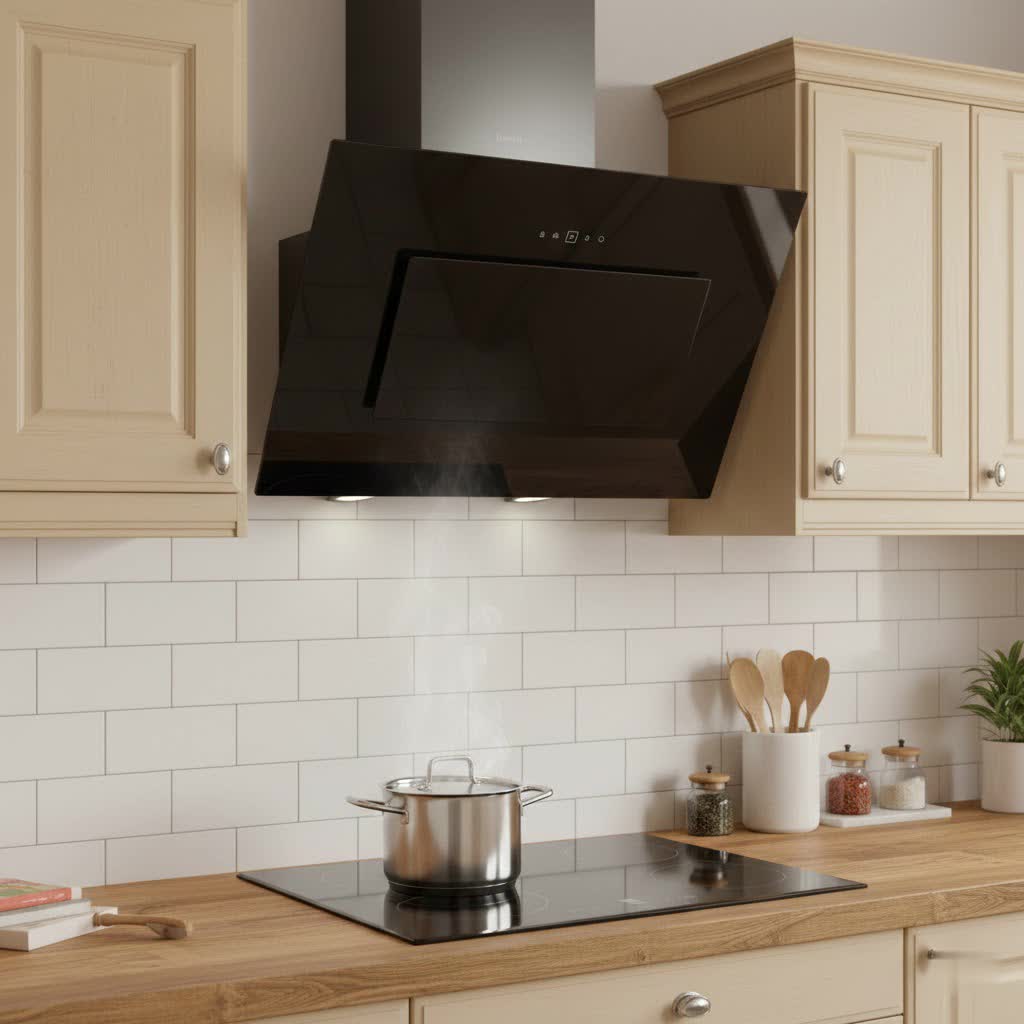
Stepping into the kitchen, you’re ready to create a culinary masterpiece, but the thought of lingering cooking odors, steam, and grease filling your home can be a real deterrent. This common dilemma often leads homeowners to explore ventilation solutions, and among the myriad options, the convertible range hood stands out as a remarkably flexible choice. What exactly is a convertible range hood, and how does this versatile appliance tackle the challenges of kitchen ventilation? If you’re pondering a kitchen upgrade or simply seeking a more adaptable solution, understanding these innovative hoods is crucial for maintaining a fresh, clean, and enjoyable cooking environment.
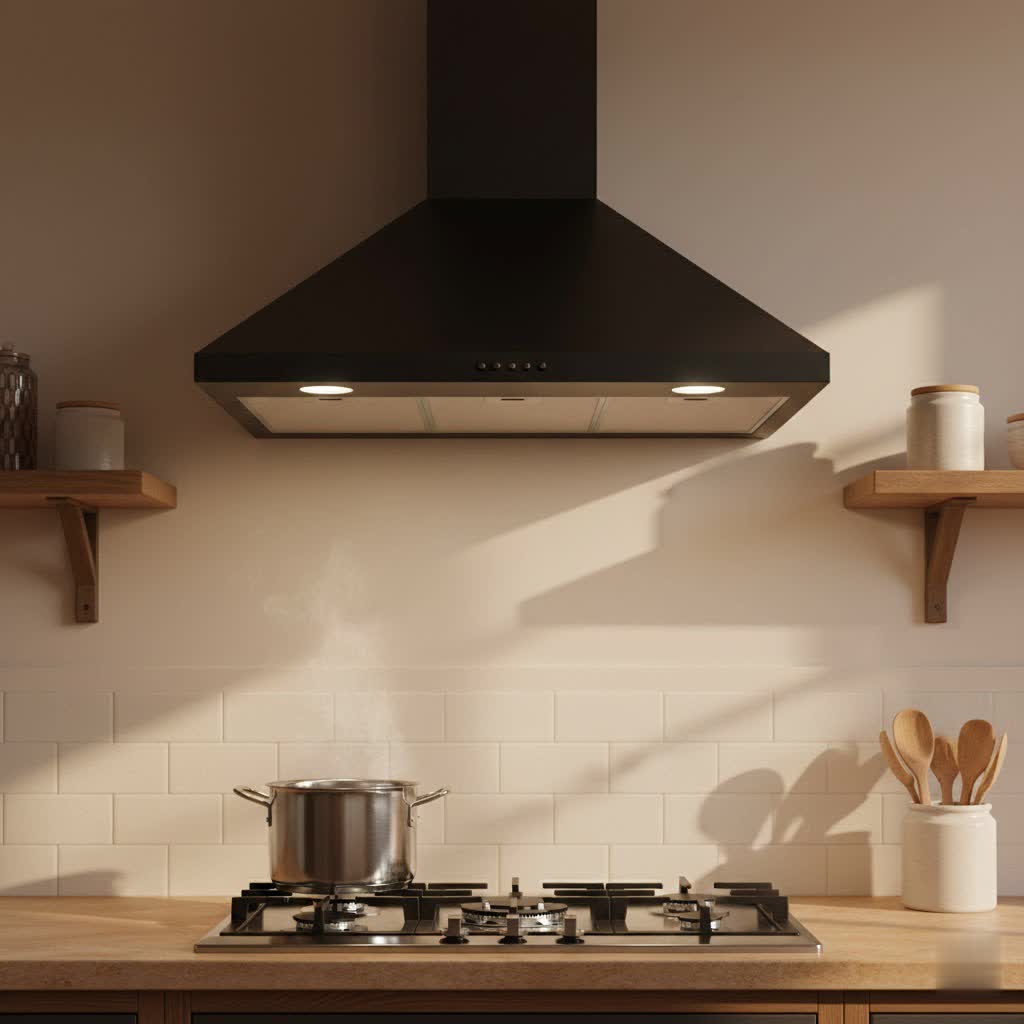
A convertible range hood is a uniquely designed kitchen appliance that offers unparalleled flexibility, capable of operating in either a ducted (vented outside) or ductless (recirculating) configuration. This dual functionality makes it an ideal choice for homeowners who may face varying kitchen layouts, renovation plans, or simply desire the option to switch their ventilation method over time. Unlike traditional range hoods that are fixed to one mode, convertible models provide a blend of adaptability and performance that can resolve many common kitchen ventilation dilemmas.
Understanding the Different Types of Range Hoods
When it comes to kitchen ventilation, homeowners typically encounter three primary types of range hoods: ducted, ductless, and convertible. Each type serves the essential purpose of improving air quality, but they differ significantly in their operation and suitability for various kitchen setups. Understanding these distinctions is key to making an informed decision for your home.
Ducted Range Hoods
Ducted range hoods are the traditional and most powerful option for kitchen ventilation. They work by drawing in cooking fumes, steam, smoke, grease, and odors from above your cooktop and expelling them directly outside your home through a system of ductwork. This method offers superior air purification because contaminants are entirely removed from the indoor environment.
- Pros: Ducted hoods provide the best air quality by completely eliminating pollutants, heat, and moisture. They are highly effective for heavy cooking and can significantly reduce grease buildup on kitchen surfaces.
- Cons: Installation is more complex and often more expensive, requiring external ductwork to be routed through walls or the roof. This can be restrictive for certain kitchen layouts, especially in apartments or older homes without existing ventilation pathways.
|
Our Picks for the Best Range hood in 2026
As an Amazon Associate I earn from qualifying purchases.
|
||
| Num | Product | Action |
|---|---|---|
| 1 | Broan-NuTone BCSQ130SS Three-Speed Glacier Under-Cabinet Range Hood with LED Lights ADA Capable, 1.5 Sones, 375 Max Blower CFM, 30-Inch, Stainless Steel |

|
| 2 | COMFEE' CVU30W2AST Range Hood 30 Inch Ducted Ductless Vent Hood Durable Stainless Steel Kitchen Hood for Under Cabinet with 2 Reusable Filter, 200 CFM, 2 Speed Exhaust Fan Silver |
|
| 3 | COSMO COS-63175S 30 in. Vista Collection 380 CFM Ducted Wall Mount Range Hood, Touch Controls, LED Lights, Stainless Steel |
|
| 4 | AMZCHEF Under Cabinet Range Hood 30 Inch, 750CFM Stainless Steel Kitchen Stove Vent Hood 3 Speed Exhaust Fan Touch/Remote/Gesture Control LED lights Time Setting Dishwasher-Safe Baffle Filters |
|
| 5 | SNDOAS 30 inch Range Hood Ducted/Ductless Convertible Stainless Steel Range Hood Under Cabinet with Rocker Button Control,Vent Hood with LED Light,2 Speed Exhaust Fan,Under Cabinet Hood,Silver |
|
| 6 | Empava Wall Mount Range Hood 30 Inch, Ducted/Ductless Kitchen Exhaust Stove Vent with Modern Style, 400CFM, 3-Speed, Touch Control, Timer, LED Lights, Stainless Steel (Charcoal-Filter Sold Separately) |
|
| 7 | COMFEE' CVU30W4AST 30 inch Under Cabinet Ducted/Ductless Convertible Slim Vent Durable Stainless Steel Kitchen Reusable Filter, 3 Speed Exhaust Fan and 1 LED Lights Range Hood, 2.0 Version |
|
| 8 | Broan-NuTone 413001 Non-Ducted Ductless Range Hood with Lights Exhaust Fan for Under Cabinet, 30-Inch, White |
|
| 9 | IKTCH 30-inch Wall Mount Range Hood 900 CFM Ducted/Ductless Convertible, Kitchen Chimney Vent Stainless Steel with Gesture Sensing & Touch Control Switch Panel, 2 Pcs Adjustable Lights(IKP02-30'') |
|
| 10 | VIKIO HOME Wall Mount Range Hood 30 inch, 580 CFM, Ducted/Ductless Convertible, Stainless Steel Kitchen Vent Hood with 3-Speed Fan and LED Lights |
|
Ductless Range Hoods
Ductless range hoods, also known as recirculating or non-vented hoods, are designed for kitchens where external ductwork is not feasible. Instead of venting air outside, these hoods draw in air, filter it through a series of grease and activated charcoal (carbon) filters, and then release the cleaned air back into the kitchen.
- Pros: Ductless hoods are generally easier and more affordable to install since they don’t require any ductwork, offering flexibility in placement. They are a practical solution for apartments, condos, or kitchens with interior walls.
- Cons: While they effectively capture grease and reduce odors, they do not remove heat or humidity from the kitchen entirely. The charcoal filters require regular replacement, which is an ongoing maintenance cost and effort.
Convertible Range Hoods: The Best of Both Worlds
Convertible range hoods stand as a hybrid solution, incorporating the mechanisms to function as either a ducted or a ductless system. This adaptability is their defining feature, allowing homeowners to select the most appropriate ventilation method based on their current kitchen infrastructure and future plans. For instance, a homeowner might initially install the hood in ductless mode due to lack of existing ductwork, with the option to convert to ducted ventilation during a future kitchen renovation.
- Pros: The primary advantage is unparalleled flexibility, making them suitable for a wide range of kitchen layouts and future changes. They simplify purchasing decisions by offering a single solution that adapts to evolving ventilation needs, providing long-term value. Many models also offer a broader range of styles and designs compared to dedicated ductless units.
- Cons: Convertible range hoods can sometimes be more expensive upfront due to their dual functionality. Depending on the mode chosen, installation might involve complexity (for ducted setup) or require ongoing filter replacement (for ductless setup).
How Convertible Range Hoods Operate
The inner workings of a convertible range hood are ingeniously designed to accommodate both ventilation methods. At its core, the system relies on a powerful fan or blower to draw air from the cooking surface.
In ducted mode, the fan pulls cooking fumes, steam, and grease-laden air upwards, channeling it through a duct system that leads outside your home. This process ensures that all airborne contaminants are completely removed, resulting in the freshest air quality. Ductwork is typically routed either through an exterior wall or vertically through the roof, creating a direct exhaust pathway.
When operating in ductless (recirculating) mode, the same powerful fan draws in the cooking air. However, instead of exiting through ductwork, the air passes through multiple layers of filtration. First, a metallic grease filter captures airborne grease particles, preventing them from recirculating. Following this, the air moves through activated charcoal (carbon) filters, which are specially designed to absorb and neutralize cooking odors and smoke particles. Once purified, the now-clean air is recirculated back into the kitchen. This mode is particularly beneficial for kitchens where external venting is impractical or impossible.
Modern convertible range hoods often incorporate advanced features to enhance their performance and user experience, regardless of the chosen mode. Many models feature robust dual DC centrifugal motors for smoother and more powerful ventilation. Innovations like 90-degree automatic open capture shields can prevent smoke from spreading, directing it straight into the extraction system for more focused removal of airborne particles. For user convenience, some high-end units offer touch-free motion gesture control, allowing you to activate and adjust settings with a simple wave of your hand, keeping your focus on cooking. Features like “Stir-fry Mode” provide instant, powerful extraction for intense cooking sessions, and auto delay shutoff ensures lingering odors are cleared even after you’ve finished cooking, maintaining a fresh kitchen environment.
Key Factors to Consider When Choosing a Convertible Range Hood
Selecting the right convertible range hood involves more than just picking an aesthetically pleasing model. Several critical factors should influence your decision to ensure optimal performance, suitability for your kitchen, and long-term satisfaction.
Airflow Capacity (CFM)
CFM, or Cubic Feet per Minute, measures the volume of air a range hood can move in one minute. This is a crucial indicator of its effectiveness in removing smoke, steam, and odors.
- Calculating CFM Needs: A general guideline suggests at least 100 CFM for every 12 inches of cooktop width. For instance, a 30-inch cooktop would ideally need a minimum of 250 CFM.
- Cooking Habits: If you frequently engage in heavy-duty cooking, such as stir-frying, deep-frying, or using high-BTU gas ranges, you’ll need a higher CFM (e.g., 600 CFM or more) to effectively clear the air. Lighter cooking might be adequately handled by lower CFM models (e.g., 300-400 CFM).
- Kitchen Size and Layout: Larger kitchens or open-concept living spaces benefit from higher CFM ratings, as the hood needs to move more air to maintain freshness across a wider area.
Noise Level (Sones)
The noise generated by a range hood is measured in sones, with lower numbers indicating quieter operation. A typical conversation is around 3-4 sones, so aim for a hood that operates below this level on its lower settings if noise is a concern.
- Acceptable Levels: Many homeowners find hoods operating between 2 to 6 sones acceptable. Higher CFM settings will naturally produce more noise.
- Reducing Noise: Ducted range hoods tend to be quieter because the blower motor can be located further away from the kitchen, often in the attic or outside the home. Ductless hoods, with their self-contained filtration and recirculation, can sometimes be louder due to the fan working harder to push air through filters.
Size and Installation
The physical dimensions of your range hood must align with your cooktop and kitchen space.
- Matching Cooktop Width: For effective capture, the range hood should ideally be at least as wide as your cooktop, if not slightly wider, to fully cover the cooking surface.
- Mounting Options: Convertible range hoods come in various styles, including:
- Under-cabinet: Mounted directly beneath existing cabinetry, saving space.
- Wall-mount: Installed on a wall above the range, often making a design statement.
- Island-mount: Suspended from the ceiling over a kitchen island cooktop.
- Insert/Liner: Designed to be hidden within custom cabinetry.
- Installation Considerations: While ductless installation is simpler (no external ductwork), ducted installation requires careful planning for duct routing and possibly professional assistance. Ensure adequate clearance between the cooktop and the hood for safety and performance.
Material and Finish
Range hoods are available in a variety of materials and finishes that impact both durability and aesthetics.
- Common Materials: Stainless steel is popular for its sleek, modern look, durability, and ease of cleaning. Glass accents, often tempered, add a sophisticated touch.
- Cleaning and Maintenance: Consider how easily the material can be cleaned. Stainless steel and smooth finishes are generally simpler to wipe down than textured or porous surfaces. Regular cleaning of grease filters (many are dishwasher-safe) is essential for maintaining performance in both ducted and ductless modes, and charcoal filters in ductless systems require periodic replacement.
Additional Features
Modern convertible range hoods come with a host of extra features that can enhance convenience and functionality.
- Lighting: LED lighting is common, providing bright, energy-efficient illumination for your cooktop.
- Controls: Touch controls, digital displays, and even motion-sensing or remote-control options offer varying levels of user convenience.
- Timer/Auto Shut-off: These features allow the hood to run for a set period after cooking and then automatically turn off, ensuring lingering odors are removed without continuous manual operation.
- Filter Indicators: Some models include indicators to remind you when grease or charcoal filters need cleaning or replacement.
Comparative Overview: Convertible, Ducted, and Ductless Range Hoods
| Feature | Ducted Range Hoods | Ductless Range Hoods | Convertible Range Hoods |
|---|---|---|---|
| Airflow Direction | Expels air outside | Filters and recirculates air inside | Can do both (selected at installation) |
| Odor/Smoke Removal | Excellent (removes entirely) | Moderate (filters, but some odors/humidity may linger) | Excellent (ducted) / Moderate (ductless) |
| Heat/Moisture | Removes effectively | Does not remove heat or humidity | Removes effectively (ducted) / Does not remove (ductless) |
| Air Quality | Superior | Improved (but not as comprehensive as ducted) | Superior (ducted) / Improved (ductless) |
| Installation | Complex; requires external ductwork and professional installation | Simpler; no external ductwork required | Flexible; can be simple (ductless) or complex (ducted) |
| Cost (Installation) | Higher | Lower | Varies based on chosen mode; higher if ducting is added |
| Maintenance | Regular cleaning of grease filters | Regular cleaning of grease filters + periodic charcoal filter replacement | Regular cleaning of grease filters + periodic charcoal filter replacement (if ductless) |
| Ideal Use | Frequent, heavy cooking; gas ranges; open kitchens | Light, occasional cooking; apartments/condos without duct access | Homeowners desiring flexibility, future renovations, or uncertain ducting options |
Buying Guide: Making the Right Choice
Choosing the best convertible range hood for your kitchen involves a systematic approach, considering your budget, cooking habits, and kitchen specifics.
1. Determine Your Budget
Convertible range hoods vary widely in price, from basic models around $200-$300 to high-end units exceeding $1000, depending on features, brand, and materials. Define a realistic budget early in your search to narrow down options.
2. Assess Your Cooking Needs and Frequency
- Light Cooking (Boiling, light sautéing): A lower CFM (300-400) and ductless setup might suffice if external venting is not possible, focusing on grease and basic odor filtration.
- Moderate to Heavy Cooking (Frying, grilling, strong aromatics): Opt for higher CFM (400-600+) and prioritize ducted installation for superior removal of smoke, odors, and heat. If ducting isn’t an option, select a convertible model with powerful ductless filtration and ensure regular filter changes.
- Gas Ranges: Ducted installation is highly recommended for gas ranges to effectively vent combustion byproducts like carbon monoxide, ensuring a safer indoor environment.
3. Evaluate Your Kitchen Space and Layout
- Existing Ductwork: If your kitchen already has ductwork, a ducted convertible installation is likely the most efficient and effective choice.
- No Ductwork: If external venting is impossible (e.g., apartment living, interior kitchen wall), the ductless mode of a convertible hood is your go-to. Ensure you factor in the cost and frequency of charcoal filter replacements.
- Measuring: Precisely measure the width of your cooktop and the available space above it (including height to cabinets or ceiling) to ensure the range hood fits properly.
4. Choose a Reputable Brand
Invest in a range hood from a well-regarded manufacturer known for quality, durability, and customer support. Look for brands that offer comprehensive warranties and readily available replacement parts. Reading reviews from other users can provide valuable insights into real-world performance and reliability.
5. Consider the Purchase Location
Purchase your convertible range hood from reputable appliance retailers, either online or in-store. These outlets typically offer better customer service, clear return policies, and professional installation services if needed. Inquire about warranty, delivery, and installation options before making a purchase.
Top Convertible Range Hoods
Many brands offer excellent convertible range hood options, catering to different needs and styles. Here are examples of features you’d find in highly-rated models:
- CIARRA 30 Inch Convertible Under Cabinet Range Hood: Ideal for smaller kitchens or apartments, offering 200 CFM airflow and quiet operation (6.5 sones). Its ultra-slim design is space-saving, and it features a 5-layer aluminum mesh filter for advanced filtration.
- CIARRA 30 Inch Convertible Range Hood CAS75502-0W: A more powerful option with a 450 CFM motor, suitable for frequent cooking. It operates at 8.5 sones on its highest speed and includes an auto shut-off function with preset timer settings and soft-touch controls.
- ZLINE Convertible Vent Wall Mount Range Hood: Available in stainless steel or black stainless, offering up to 400 CFM with multiple speed settings. These models combine professional performance with a modern aesthetic, allowing homeowners to choose between ducted or ductless at installation.
These models are celebrated for their blend of powerful suction, quiet operation, and flexible installation options, proving that convertible range hoods can meet the demands of various cooking enthusiasts and kitchen designs.
Conclusion
Choosing the right range hood can dramatically improve your kitchen environment, and a convertible range hood offers unmatched flexibility for nearly any home. Whether you’re dealing with existing ductwork, planning a future renovation, or simply seeking an adaptable solution, these versatile appliances provide the freedom to choose between ducted and ductless ventilation, ensuring your kitchen remains fresh and clean. With benefits ranging from superior air purification in ducted mode to straightforward installation in ductless mode, a convertible range hood is a practical, long-term investment that adapts to your evolving needs.
By carefully considering factors like CFM, noise level, size, material, and smart features, you can select a model that perfectly complements your cooking style and kitchen aesthetics. Why settle for less when you can have the best in both form and function?
Are you ready to experience a cleaner, quieter, and more enjoyable cooking experience with a convertible range hood?