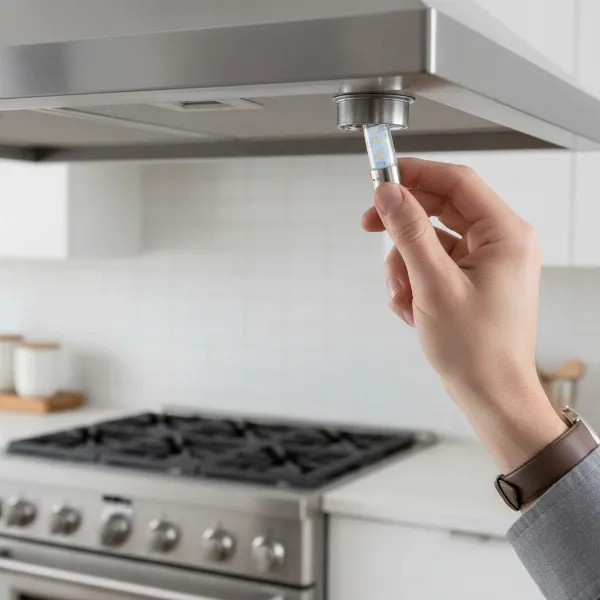
Stepping into a kitchen designed with custom wooden cabinets evokes a sense of timeless elegance and warmth. Every detail is meticulously chosen to create a cohesive and inviting space. However, when it comes to kitchen ventilation, homeowners often face a dilemma: how to achieve powerful, effective air purification without disrupting the beautiful, seamless aesthetic of their bespoke cabinetry. This is where the insert range hood becomes the unsung hero, offering a discreet yet highly efficient solution.
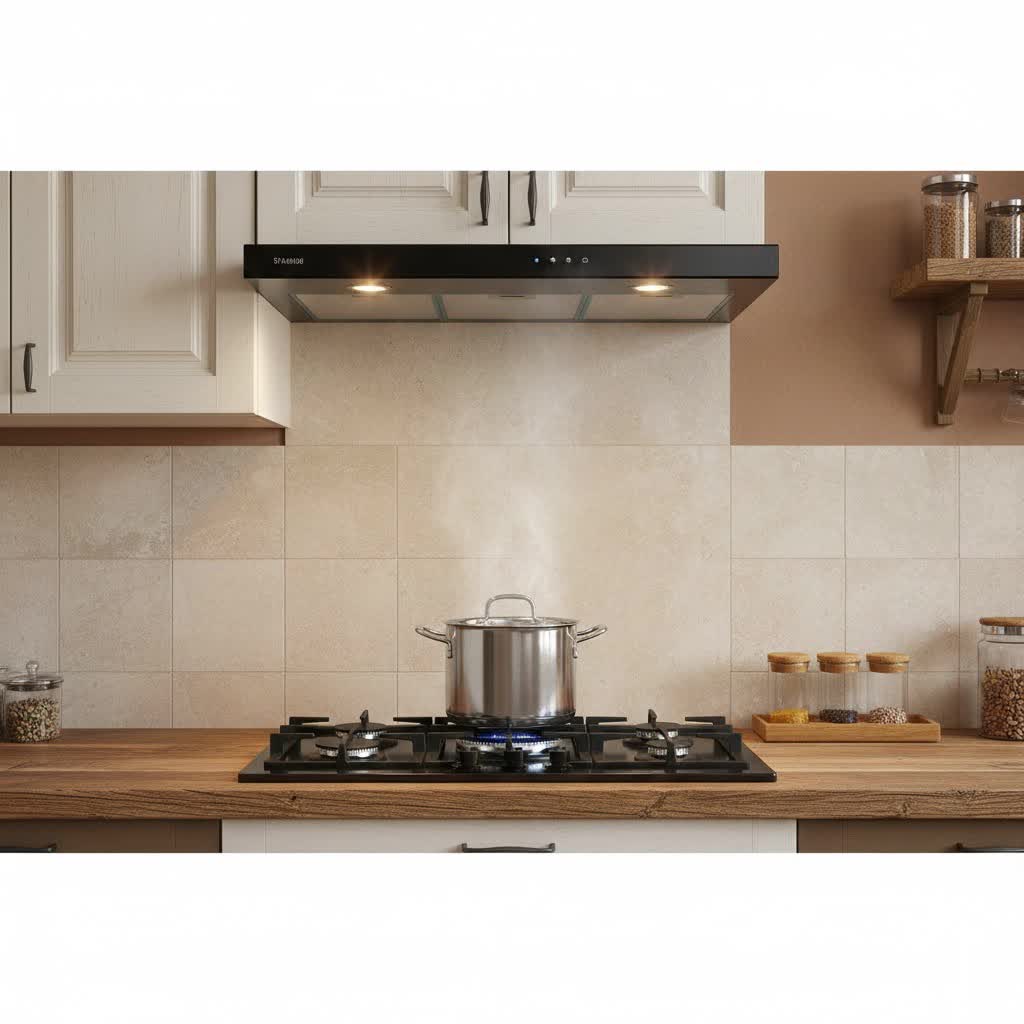
Choosing the right insert range hood is paramount to maintaining both the pristine air quality and the visual integrity of your custom kitchen. This comprehensive guide will explore the various types, crucial selection factors, installation insights, and what to look for in the best insert models to ensure your cooking space remains fresh, clean, and stunning for years to come.
The Allure of Insert Range Hoods in Custom Cabinetry
Insert range hoods, often referred to as power packs, liners, or built-in hoods, are specifically designed to be integrated directly into custom-built cabinetry or a decorative hood surround. Unlike traditional under-cabinet or wall-mounted range hoods that are visible appliances, insert models are concealed, allowing the beauty of your custom wooden cabinets to take center stage. This integrated design is particularly appealing for those aiming for a minimalist, uncluttered, or European-inspired kitchen aesthetic where appliances seamlessly blend into the overall design.
The primary benefit of an insert range hood lies in its ability to provide professional-grade ventilation while being virtually invisible. It captures smoke, steam, grease, and cooking odors, effectively removing them from your kitchen environment without compromising your carefully crafted design vision. This discrete placement protects your cabinetry from heat and moisture damage, preserving the longevity and appearance of your investment.
Types of Range Hood Inserts: Ducted vs. Ductless
When selecting an insert range hood, one of the most fundamental decisions you’ll make is whether to opt for a ducted or ductless system. Each type offers distinct advantages and considerations:
Ducted Inserts
Ducted insert range hoods are the gold standard for kitchen ventilation. They work by drawing cooking fumes, smoke, and grease-laden air through a filtration system and then expelling it outside your home through a system of ductwork.
- Pros: Ducted systems are significantly more effective at removing airborne contaminants, heat, and moisture, making them ideal for heavy cooking, frying, or grilling. They provide superior air quality and typically require less frequent filter maintenance (mainly cleaning grease filters).
- Cons: Installation is more complex, as it requires installing ductwork that vents to the exterior of your home. This might involve cutting into cabinets, walls, or ceilings, potentially adding to installation costs and labor.
|
Our Picks for the Best Range hood in 2026
As an Amazon Associate I earn from qualifying purchases.
|
||
| Num | Product | Action |
|---|---|---|
| 1 | Broan-NuTone 413001 Non-Ducted Ductless Range Hood with Lights Exhaust Fan for Under Cabinet, 30-Inch, White |

|
| 2 | Broan-NuTone BCSQ130SS Three-Speed Glacier Under-Cabinet Range Hood with LED Lights ADA Capable, 1.5 Sones, 375 Max Blower CFM, 30-Inch, Stainless Steel |
|
| 3 | COSMO COS-63175S 30 in. Vista Collection 380 CFM Ducted Wall Mount Range Hood, Touch Controls, LED Lights, Stainless Steel |
|
| 4 | IKTCH 30-inch Wall Mount Range Hood 900 CFM Ducted/Ductless Convertible, Kitchen Chimney Vent Stainless Steel with Gesture Sensing & Touch Control Switch Panel, 2 Pcs Adjustable Lights(IKP02-30'') |
|
| 5 | COMFEE' CVU30W4AST 30 inch Under Cabinet Ducted/Ductless Convertible Slim Vent Durable Stainless Steel Kitchen Reusable Filter, 3 Speed Exhaust Fan and 1 LED Lights Range Hood, 2.0 Version |
|
| 6 | COMFEE' CVU30W2AST Range Hood 30 Inch Ducted Ductless Vent Hood Durable Stainless Steel Kitchen Hood for Under Cabinet with 2 Reusable Filter, 200 CFM, 2 Speed Exhaust Fan Silver |
|
| 7 | SNDOAS 30 inch Range Hood Ducted/Ductless Convertible Stainless Steel Range Hood Under Cabinet with Rocker Button Control,Vent Hood with LED Light,2 Speed Exhaust Fan,Under Cabinet Hood,Silver |
|
| 8 | VIKIO HOME Wall Mount Range Hood 30 inch, 580 CFM, Ducted/Ductless Convertible, Stainless Steel Kitchen Vent Hood with 3-Speed Fan and LED Lights |
|
| 9 | AMZCHEF Under Cabinet Range Hood 30 Inch, 750CFM Stainless Steel Kitchen Stove Vent Hood 3 Speed Exhaust Fan Touch/Remote/Gesture Control LED lights Time Setting Dishwasher-Safe Baffle Filters |
|
| 10 | Empava Wall Mount Range Hood 30 Inch, Ducted/Ductless Kitchen Exhaust Stove Vent with Modern Style, 400CFM, 3-Speed, Touch Control, Timer, LED Lights, Stainless Steel (Charcoal-Filter Sold Separately) |
|
Ductless (Recirculating) Inserts
Ductless insert range hoods, also known as recirculating hoods, are a viable option when external venting isn’t feasible or desired. These units draw air through charcoal or activated carbon filters to remove odors and grease particles before circulating the filtered air back into the kitchen.
- Pros: Ductless inserts are generally easier and less expensive to install since they don’t require external ductwork. They are a good choice for apartments, condos, or kitchens where structural limitations prevent ducted installation.
- Cons: They are less effective at removing heat and humidity from the kitchen and require regular replacement of charcoal filters (typically every 3-6 months) to maintain optimal performance. They may also be slightly louder as the air has to push through dense filters.
Which to choose? For most homeowners with custom cabinetry, a ducted insert range hood is highly recommended due to its superior performance in maintaining air quality and protecting kitchen surfaces. If external venting is genuinely impossible, a high-quality ductless model can offer a suitable alternative, but be mindful of its limitations and ongoing maintenance needs.
Key Factors When Choosing Your Insert Range Hood
Selecting the perfect insert range hood for your custom wooden cabinets involves a careful balance of performance, noise level, size, and features.
Ventilation Power (CFM)
Cubic Feet per Minute (CFM) is the measurement of how much air your range hood can move in one minute. Choosing the correct CFM is crucial for effective ventilation.
- General Guideline: A common rule of thumb is to allow for at least 100 CFM for every 12 inches of cooktop width.
- Gas Ranges: For gas cooktops, a good starting point is 100 CFM for every 10,000 BTUs your gas range produces. For example, a 50,000 BTU gas range would ideally need a minimum of 500 CFM.
- Cooking Habits:
- Light Cooking (Boiling, light sautéing): 300-400 CFM might suffice.
- Moderate Cooking (Everyday frying, regular cooking): Around 600 CFM is often recommended.
- Heavy Cooking (Frequent frying, grilling, wok cooking):
): You’ll need higher CFM, ranging from 600-900 CFM, or even up to 1200 CFM for very intense culinary activities.
Undersizing your range hood’s CFM can lead to lingering odors, grease buildup, and inadequate air purification, even with a beautiful custom hood surround.
Noise Level (Sones)
The sound a range hood produces is measured in sones, a linear unit that reflects perceived loudness. One sone is roughly equivalent to the sound of a quiet refrigerator (28-32 dB). While higher CFM often correlates with higher noise levels, modern technology has led to quieter, more powerful motors.
- Quiet Operation: Look for models that advertise 1-3 sones on their lowest settings. A range hood operating at under 60 decibels (dB) is generally considered relatively quiet, similar to a normal conversation.
- Factors Influencing Noise:
- Motor Design: High-efficiency, insulated motors with variable-speed fan systems are designed to minimize noise.
- Ductwork: Larger, smoother ductwork with fewer bends allows air to flow more freely, reducing noise.
- Blower Type: External (or inline) blowers, where the motor is located outside the kitchen (e.g., in the attic or exterior wall), can significantly reduce in-kitchen noise compared to internal blowers. While more complex to install, they are excellent for those prioritizing a serene cooking environment.
- Cleanliness: Dirty filters can impede airflow and force the motor to work harder, increasing noise. Regular cleaning is essential.
Size and Fit for Custom Cabinets
The dimensions of your insert range hood must align perfectly with your custom wooden cabinetry.
- Width: The insert should be at least as wide as your cooktop to ensure optimal capture of smoke and steam. Many inserts are available in widths ranging from 28 inches to 60 inches to accommodate various cooktop sizes.
- Mounting Height: The recommended distance from the bottom of the range hood to the cooktop typically ranges from 24 to 30 inches, though some manufacturers may specify 30-36 inches. Always consult the manufacturer’s manual and local building codes for precise clearance requirements, especially with gas cooktops to prevent heat damage to wooden cabinets.
- Custom Design: When planning your custom wooden hood surround, ensure there is adequate space within the enclosure for the insert mechanism, ductwork (if applicable), and electrical connections. A well-planned design will make installation smoother and the final look seamless.
Material and Filtration
Most insert range hoods feature durable stainless steel construction for the inner workings, ensuring longevity and ease of cleaning.
- Filters:
- Baffle Filters: Often made of stainless steel, these filters are highly effective at trapping grease and are typically dishwasher-safe, making them easy to maintain. They are common in ducted systems.
- Mesh Filters: Aluminum mesh filters are also effective at capturing grease and are usually dishwasher-safe.
- Charcoal Filters: Essential for ductless (recirculating) models, these filters absorb odors. They are not washable and must be replaced periodically.
Smart Features and Convenience
Modern insert range hoods offer a range of features that enhance convenience and functionality:
- Variable Speed Settings: Allow you to adjust the fan power based on your cooking needs, balancing ventilation with noise.
- LED Lighting: Energy-efficient LED lights illuminate your cooking surface, providing clear visibility. Some models offer dimmable options for ambiance.
- Delay Shut-Off: This feature allows the fan to continue running for a set period after you finish cooking, ensuring all lingering odors are cleared before automatically turning off.
- Smart Connectivity: Advanced models may include Wi-Fi connectivity and voice control (e.g., via Alexa or Google Home), offering hands-free operation and integration with smart home systems.
- Remote Control: A handy feature for operating the hood without reaching up into the custom enclosure.
Top Insert Range Hoods for Custom Wooden Cabinets
When seeking the best insert range hood, look for models that combine powerful performance, quiet operation, and robust construction. While specific models and prices fluctuate, several brands consistently receive high marks for quality and innovation in the insert category. Brands like Zline, Broan, Vent-a-Hood, Cosmo, Hauslane, IKTCH, CIARRA, Victory, Zephyr, KitchenAid, and Whirlpool offer various options, from budget-friendly choices to professional-grade powerhouses.
Consider models with:
- High CFM ratings suitable for your cooking style (e.g., 600-900 CFM for serious cooks).
- Low sone ratings, especially on lower fan speeds, for a quieter kitchen environment.
- Durable stainless steel baffle filters that are easy to clean in the dishwasher.
- Bright, energy-efficient LED lighting.
- Convenient features such as multiple fan speeds, delay shut-off, and easy-to-use controls (whether mechanical, electronic touch, or remote).
- Options for external blowers if quiet operation is a top priority.
Installation Considerations for a Seamless Look
Integrating an insert range hood into custom wooden cabinets is more involved than installing a standard under-cabinet hood. It typically requires careful planning and precise execution.
- Building the Custom Enclosure: The wooden cabinet or hood surround must be constructed to precisely house the insert. This involves framing and ensuring all dimensions, including the opening for the insert, are accurate.
- Ductwork and Electrical: If opting for a ducted system, the ductwork path needs to be planned and installed correctly, adhering to local building codes. Electrical wiring must also be properly run and connected.
- Secure Mounting: The insert and its custom enclosure must be securely mounted to wall studs or reinforced cabinetry to ensure stability and safety.
- Professional Installation: Given the complexity of custom cabinetry and the need for proper ventilation and electrical connections, professional installation is often recommended to ensure optimal performance, safety, and a flawless finish. Incorrect installation can lead to poor ventilation, excessive noise, or even safety hazards.
Investing in Your Kitchen’s Future: Longevity and Maintenance
A high-quality insert range hood is a significant investment in your kitchen’s functionality and aesthetic. With proper care, these units are designed to last between 10 to 15 years. Regular maintenance is key to extending its lifespan and ensuring continued efficient performance.
- Filter Cleaning: For ducted systems with baffle or mesh filters, regular cleaning (typically monthly, or more frequently with heavy use) in the dishwasher will prevent grease buildup and maintain airflow.
- Filter Replacement: For ductless models, charcoal filters must be replaced every 3-6 months, depending on cooking frequency, as they become saturated and lose effectiveness.
- Surface Cleaning: Wipe down the visible interior surfaces of the insert and the surrounding wooden cabinetry regularly to prevent grease and grime accumulation.
By diligently maintaining your insert range hood, you’ll protect your custom wooden cabinets, keep your kitchen air fresh, and ensure your investment continues to perform optimally for over a decade.
Conclusion
Choosing the best insert range hood for your custom wooden cabinets is about more than just an appliance; it’s about preserving the beauty and integrity of your bespoke kitchen while ensuring a clean and healthy cooking environment. By carefully considering ventilation power (CFM), noise levels (sones), appropriate sizing, and essential features, you can find a discreet yet powerful solution that harmonizes with your design vision. Invest wisely in a quality insert, ensure professional installation, and commit to regular maintenance to enjoy a kitchen that is as functional as it is stunning.
Are you ready to elevate your custom kitchen with the perfect blend of hidden power and elegant design?
Frequently Asked Questions
How far should a range hood insert be above a cooktop?
Generally, a range hood insert should be installed between 24 and 30 inches above an electric cooktop, and 24 to 36 inches above a gas cooktop. Always consult the specific manufacturer’s recommendations and local building codes for precise clearance requirements, as these can vary and are crucial for safety and optimal performance.
What CFM do I need for a gas range with custom cabinets?
For a gas range, a good rule of thumb is to calculate 100 CFM for every 10,000 BTUs your cooktop produces. For example, a 50,000 BTU gas range would require at least 500 CFM. If you engage in heavy cooking like frequent frying or grilling, consider a higher CFM model (600-900+ CFM) for more effective smoke and odor removal.
Are insert range hoods loud?
The noise level of an insert range hood, measured in sones, varies significantly by model. While powerful hoods can be louder, many modern inserts are designed for quiet operation, especially on lower settings. Look for models with insulated motors, variable speed controls, or consider an external blower system to minimize in-kitchen noise, with some achieving as low as 1-3 sones on their quietest settings.
Can I install a range hood insert myself?
Installing a range hood insert can be more complex than a standard range hood because it involves integrating the unit into custom cabinetry and potentially connecting new ductwork and electrical. While an experienced DIYer might tackle it, professional installation is often recommended to ensure proper fit, secure mounting, correct ventilation (especially for ducted systems), and adherence to safety codes, ultimately achieving a seamless and functional result.
What’s the difference between ducted and ductless inserts?
Ducted insert range hoods expel cooking fumes and odors outside your home through a ventilation system, offering superior air purification. Ductless inserts, on the other hand, filter the air using charcoal filters and recirculate it back into the kitchen, making them suitable when external venting isn’t possible, though they are less effective at removing heat and humidity and require regular filter replacement.