Choosing the ideal range hood for your kitchen is a decision that extends beyond mere aesthetics, directly impacting your cooking environment and air quality. The width of your range hood, specifically between the popular 30-inch and 36-inch options, plays a pivotal role in its effectiveness. Many homeowners find themselves at this crossroads, wondering which size offers the optimal balance of performance, kitchen integration, and visual appeal. This comprehensive guide will dissect the nuances of both sizes, helping you make an informed choice that perfectly complements your culinary habits and kitchen design.
Understanding Common Range Hood Types and Sizing
Before diving into specific widths, it’s beneficial to understand the general types of range hoods available, as their design can influence sizing considerations.
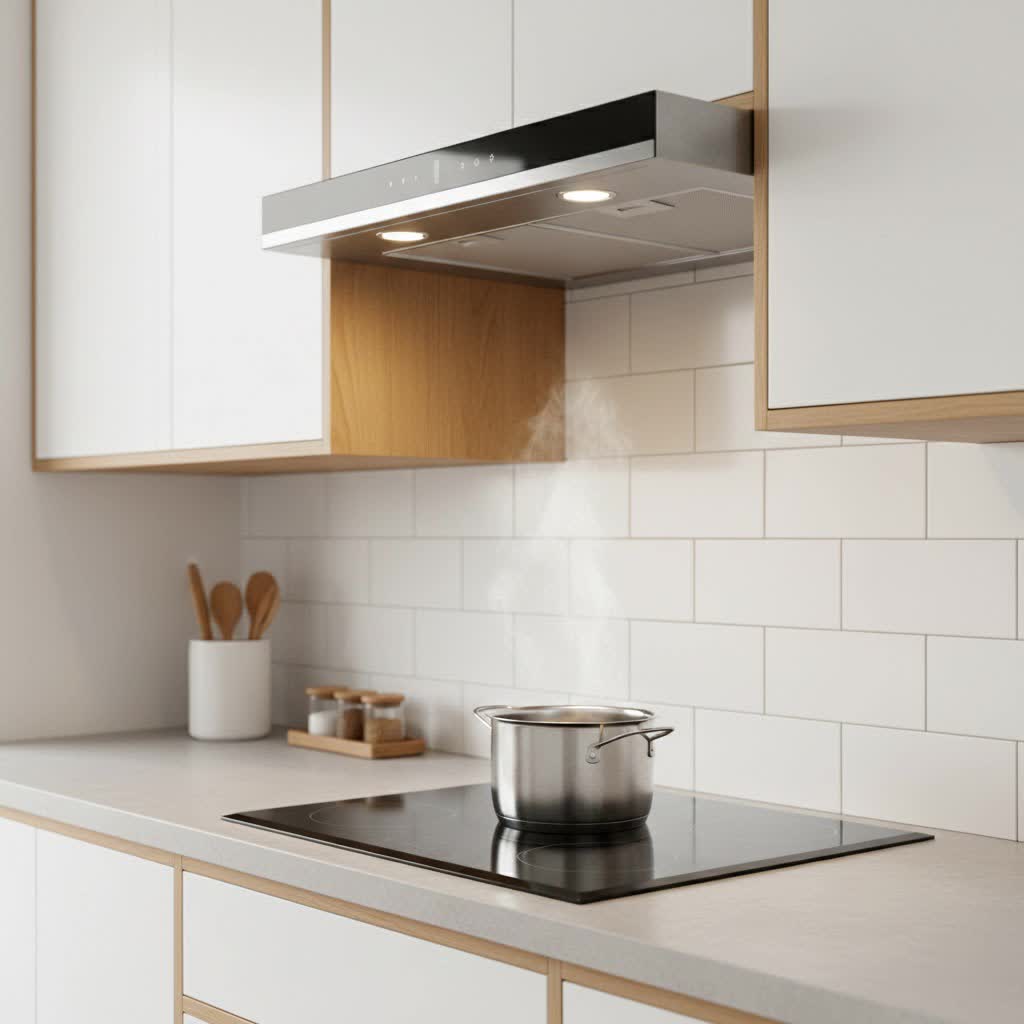
- Under-Cabinet Range Hoods: These are mounted directly beneath kitchen cabinets, offering a seamless look. They are popular in standard kitchen layouts and are readily available in both 30-inch and 36-inch widths.
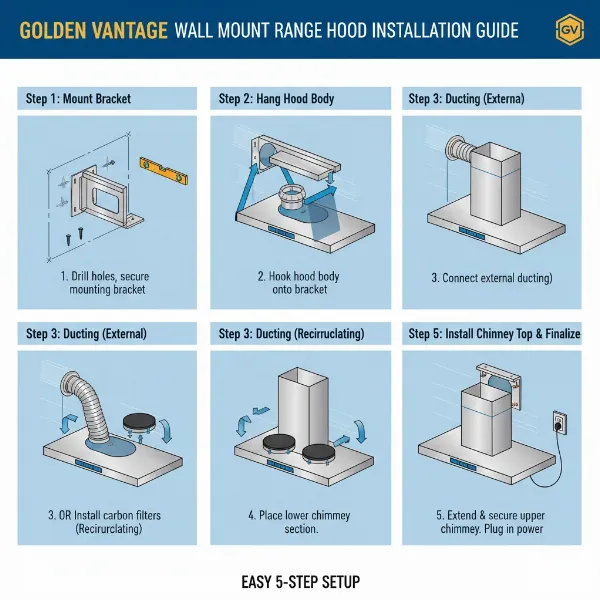
- Wall-Mounted Range Hoods (Chimney Style): Installed against a wall, these hoods feature exposed ductwork covered by a chimney-like flue. They are often a focal point and come in various styles and sizes, including both 30-inch and 36-inch.
- Island Range Hoods: Designed for cooktops on kitchen islands, these hoods hang from the ceiling. They require robust ventilation and are frequently chosen in larger sizes like 36 inches to maximize capture area.
- Insert Range Hoods (Custom Hood Liners): These are hidden within custom cabinetry or a decorative enclosure, providing powerful ventilation while maintaining a specific aesthetic. They can be found in various widths to fit custom designs.
- Ductless/Recirculating Range Hoods: These hoods filter the air and recirculate it back into the kitchen, ideal for spaces where external venting isn’t possible. They are available in both 30-inch and 36-inch models.
The primary rule of thumb for range hood width is to match or exceed the width of your cooktop. While a hood the exact width of your cooking surface can be sufficient, experts often recommend extending the hood an additional 3 inches on each side (for a total of 6 inches wider) to enhance smoke and odor capture, especially for gas ranges or intense cooking.
Key Factors When Choosing Your Range Hood Width
Selecting between a 30-inch and 36-inch range hood involves weighing several critical factors. Each aspect contributes to the overall functionality, efficiency, and aesthetic harmony of your kitchen.
Cooktop Size and Layout
|
Our Picks for the Best Range hood in 2026
As an Amazon Associate I earn from qualifying purchases.
|
||
| Num | Product | Action |
|---|---|---|
| 1 | AMZCHEF Under Cabinet Range Hood 30 Inch, 750CFM Stainless Steel Kitchen Stove Vent Hood 3 Speed Exhaust Fan Touch/Remote/Gesture Control LED lights Time Setting Dishwasher-Safe Baffle Filters |

|
| 2 | Empava Wall Mount Range Hood 30 Inch, Ducted/Ductless Kitchen Exhaust Stove Vent with Modern Style, 400CFM, 3-Speed, Touch Control, Timer, LED Lights, Stainless Steel (Charcoal-Filter Sold Separately) |
|
| 3 | COSMO COS-63175S 30 in. Vista Collection 380 CFM Ducted Wall Mount Range Hood, Touch Controls, LED Lights, Stainless Steel |
|
| 4 | Broan-NuTone 413001 Non-Ducted Ductless Range Hood with Lights Exhaust Fan for Under Cabinet, 30-Inch, White |
|
| 5 | IKTCH 30-inch Wall Mount Range Hood 900 CFM Ducted/Ductless Convertible, Kitchen Chimney Vent Stainless Steel with Gesture Sensing & Touch Control Switch Panel, 2 Pcs Adjustable Lights(IKP02-30'') |
|
| 6 | SNDOAS 30 inch Range Hood Ducted/Ductless Convertible Stainless Steel Range Hood Under Cabinet with Rocker Button Control,Vent Hood with LED Light,2 Speed Exhaust Fan,Under Cabinet Hood,Silver |
|
| 7 | Broan-NuTone BCSQ130SS Three-Speed Glacier Under-Cabinet Range Hood with LED Lights ADA Capable, 1.5 Sones, 375 Max Blower CFM, 30-Inch, Stainless Steel |
|
| 8 | VIKIO HOME Wall Mount Range Hood 30 inch, 580 CFM, Ducted/Ductless Convertible, Stainless Steel Kitchen Vent Hood with 3-Speed Fan and LED Lights |
|
| 9 | COMFEE' CVU30W4AST 30 inch Under Cabinet Ducted/Ductless Convertible Slim Vent Durable Stainless Steel Kitchen Reusable Filter, 3 Speed Exhaust Fan and 1 LED Lights Range Hood, 2.0 Version |
|
| 10 | COMFEE' CVU30W2AST Range Hood 30 Inch Ducted Ductless Vent Hood Durable Stainless Steel Kitchen Hood for Under Cabinet with 2 Reusable Filter, 200 CFM, 2 Speed Exhaust Fan Silver |
|
The most fundamental consideration is the width of your existing or planned cooktop. If you have a standard 30-inch cooktop, a 30-inch range hood is often sufficient. However, for a 36-inch cooktop, a 36-inch range hood is essential to ensure proper coverage and effective ventilation. Opting for a hood that is slightly wider than your cooktop, perhaps a 36-inch hood over a 30-inch range, can improve the capture of cooking fumes and odors that might otherwise escape from the sides.
Kitchen Size and Design
The overall size and layout of your kitchen heavily influence which range hood width is most appropriate.
- For smaller to medium-sized kitchens, a 30-inch range hood is generally a better fit. It offers efficient ventilation without overwhelming the space, helping to maintain visual balance and saving valuable wall or cabinet real estate.
- In larger kitchens or open-concept living areas, a 36-inch range hood often looks more proportionate and provides the necessary coverage for broader cooking surfaces. It can become a prominent design feature, enhancing the kitchen’s luxurious appeal.
Cooking Habits and Intensity
Your cooking style is a significant determinant in choosing the right range hood width and power.
- If you engage in lighter cooking, such as boiling, simmering, or occasional sautéing, a 30-inch range hood with adequate CFM (Cubic Feet Per Minute) may suffice.
- For intense cooking, including frequent frying, grilling, searing, or preparing dishes with strong odors and high heat, a 36-inch range hood is generally superior. Its wider capture area and typically higher CFM rating are better equipped to handle larger volumes of smoke, grease, and steam, preventing them from spreading throughout your home.
Ventilation Power (CFM)
CFM measures the volume of air a range hood can move per minute, directly impacting its ability to clear your kitchen air. While range hood width primarily dictates capture area, larger hoods often come with higher CFM ratings.
- For gas cooktops, a common guideline is to have 100 CFM for every 10,000 BTUs of your stovetop.
- For electric cooktops, a simpler rule is to multiply the width of your cooktop by 10 to determine the appropriate CFM.
Many kitchens benefit from a minimum of 600 CFM, but this can vary based on cooktop BTUs and cooking frequency. A 36-inch range hood typically offers higher CFM options, making it more effective for rigorous cooking demands.
Noise Level (Sones)
The operational noise of a range hood, measured in sones, is a crucial comfort factor, especially in open-concept kitchens. While higher CFM generally equates to more noise, technological advancements have led to quieter models across all sizes. Some larger 36-inch models might offer quieter operation at comparable extraction rates due to bigger, more efficient fan designs. It’s important to check the sone rating alongside the CFM when making your selection.
Material and Aesthetics
Range hoods are available in a variety of materials, each contributing to their durability and visual appeal.
- Stainless steel is the most popular choice, known for its modern, sleek look and resistance to rust and corrosion. It’s easy to clean but can show fingerprints.
- Aluminum is lighter and often found in more budget-friendly models, offering a matte finish.
- Glass, often paired with stainless steel, provides a high-end, contemporary aesthetic but requires frequent cleaning to maintain its shine.
Both 30-inch and 36-inch hoods come in these materials, allowing you to match your kitchen’s existing decor or create a new focal point. A 36-inch hood can make a bolder design statement in a spacious kitchen.
Additional Features
Modern range hoods, regardless of width, come with an array of features that can enhance convenience and performance. Consider which ones are essential for your needs:
- Multiple fan speeds: For varying cooking intensities.
- LED lighting: Energy-efficient and provides clear illumination of your cooking surface.
- Quiet operation: Crucial for open-concept homes.
- Dishwasher-safe filters: Simplifies maintenance.
- Smart features: Wi-Fi connectivity, voice control, or automatic sensors that adjust fan speed.
- Advanced filtration systems: Plasma or UV technology for enhanced air purification.
Comparison: 30-inch vs. 36-inch Range Hoods
Here’s a direct comparison to help clarify the differences between these two common sizes:
| Feature | 30-Inch Range Hood | 36-Inch Range Hood |
|---|---|---|
| Ideal For | Standard 30-inch cooktops, smaller kitchens, lighter cooking | Larger cooktops (30-36 inches), larger kitchens, intense cooking |
| Coverage | Sufficient for matching cooktops | Superior coverage, often extending beyond cooktop for better capture |
| Ventilation | Effective for typical residential cooking | Higher CFM options, more effective for heavy smoke/grease |
| Kitchen Fit | Space-saving, maintains compact kitchen aesthetics | Can be a focal point, fills larger kitchen spaces aesthetically |
| Cost | Generally more budget-friendly | Often higher initial cost due to size and power |
| Burner Capacity | Typically suitable for 4-burner cooktops | Accommodates 5-6 burner cooktops, greater flexibility |
| Aesthetics | Blends seamlessly, understated | Creates a more prominent, luxurious statement |
| Installation | Potentially easier in confined spaces | May require larger ductwork (e.g., 6 or 10 inches) |
“The decision between a 30-inch and 36-inch range hood often comes down to harmonizing the functional demands of your cooking habits with the spatial realities and aesthetic aspirations of your kitchen.” – Admin, Reviewike.com, Kitchen Appliance Expert
Comprehensive Buying Guide
Making the right choice for your range hood involves a systematic approach. Consider these steps:
1. Determine Your Budget
Range hoods vary widely in price based on size, CFM, features, and brand. Establish a realistic budget before you start shopping to narrow down your options. Remember to factor in potential installation costs.
2. Assess Your Cooking Needs and Frequency
Honestly evaluate how often and what kind of cooking you do. If you rarely cook or prepare simple meals, a 30-inch hood with moderate CFM might be perfect. If you’re a passionate chef who frequently cooks large, aromatic, or greasy meals, a 36-inch hood with higher CFM will be a more worthwhile investment.
3. Measure Your Kitchen Space and Cooktop
Accurately measure the width of your cooktop. Then, consider the available space above your cooking area, including the distance between upper cabinets if applicable. Also, measure your kitchen’s overall dimensions to gauge how a 30-inch versus a 36-inch hood will visually integrate. Remember the recommended clearance height: 18-24 inches above electric and 24-30 inches above gas cooktops.
4. Research Reputable Brands
Invest in a range hood from a well-known brand recognized for quality, reliability, and good customer support. Read reviews and look for models that offer strong warranties.
5. Choose Your Purchase Location Wisely
Buy from authorized dealers or reputable appliance stores that offer clear return policies, professional installation services, and reliable after-sales support. This ensures peace of mind and access to assistance if any issues arise.
Top Range Hood Considerations
While specific model recommendations can change, here are general types of range hoods often praised for their performance and suitability across sizes:
- High-CFM Wall-Mounted Hoods: Excellent for heavy-duty ventilation, often available in 36-inch for maximum capture. Look for models with baffle filters for superior grease capture.
- Quiet Under-Cabinet Hoods: Ideal for those prioritizing a discreet look and low noise levels. Many 30-inch models excel here.
- Smart Range Hoods: Features like Wi-Fi control and automatic sensors enhance convenience, found in both 30-inch and 36-inch high-end models.
- Convertible Hoods: Offer the flexibility of ducted or ductless installation, a great feature for various kitchen setups.
Conclusion
The choice between a 30-inch and 36-inch range hood is a critical decision that balances functionality with aesthetic appeal. While a 30-inch hood perfectly serves standard cooktops and smaller kitchens with lighter cooking demands, a 36-inch model offers superior coverage and ventilation power, making it ideal for larger kitchens and intense culinary pursuits. By carefully considering your cooktop size, kitchen layout, cooking habits, and desired features, you can confidently select a range hood that effectively clears your air, enhances your cooking experience, and beautifully complements your home.
Which factor will you prioritize most in your range hood selection?
Frequently Asked Questions
Is a 36-inch range hood always necessary for a 30-inch cooktop?
Not always, but it is often recommended. While a 30-inch hood over a 30-inch cooktop is sufficient, a 36-inch hood provides an extra 3 inches of overhang on each side, significantly improving the capture of smoke, steam, and odors, especially for heavy cooking or gas ranges.
How do I calculate the right CFM for my range hood?
For gas ranges, multiply the total BTU output of your burners by 100 CFM per 10,000 BTUs. For electric ranges, a general rule is to multiply the cooktop width (in inches) by 10. For instance, a 30-inch electric cooktop needs at least 300 CFM. Many kitchens benefit from a minimum of 600 CFM.
Can a range hood be too wide for my kitchen?
Yes, a range hood can be too wide, both functionally and aesthetically. While wider is generally better for capture, a hood that significantly extends beyond your cooktop or clashes with surrounding cabinetry can obstruct movement, create an awkward look, and potentially block light or access to upper cabinets.
What is the ideal height for installing a range hood?
The ideal installation height for a range hood is typically 18-24 inches above an electric cooktop and 24-30 inches above a gas cooktop. Installing it too high can reduce its effectiveness in capturing fumes, while too low can be a fire hazard or obstruct your cooking. Always consult the manufacturer’s specific guidelines.
Are there quieter 36-inch range hood options available?
Yes, many modern 36-inch range hoods are designed with advanced motor technology and larger fan blades to operate more quietly, even at higher CFM settings. Look for models with lower sone ratings (e.g., 2-4 sones on low speed) if noise is a significant concern for your kitchen.