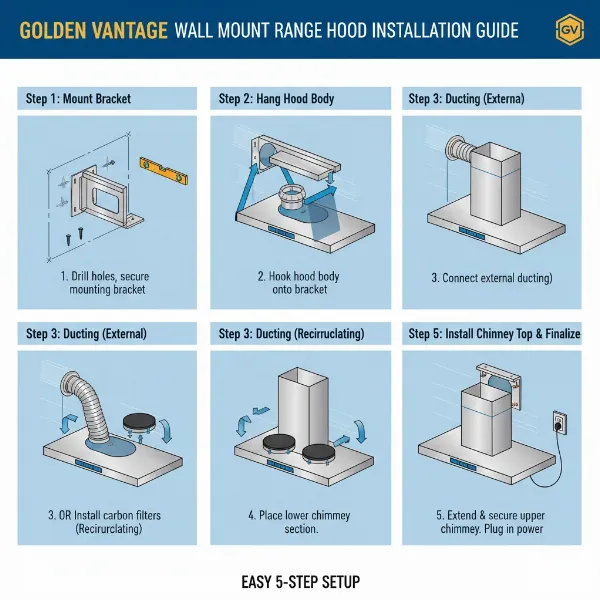
Waking up to a chilly draft from your vents can be more than just uncomfortable; it signals a hidden drain on your home’s energy efficiency and can even compromise indoor air quality. That unwelcome blast of cold air, especially during colder months, means outside air is finding its way in, forcing your heating system to work harder and increasing your utility bills. As a technician with over a decade of experience in home ventilation, I’ve seen countless homes struggle with this issue. Fortunately, understanding the root causes and implementing effective solutions can transform your living space into a warm, cozy haven. This comprehensive guide will walk you through identifying common culprits and provide actionable steps to seal those drafts for good.

Understanding Cold Air Drafts: Why Your Vents Are Letting You Down
Cold air infiltrating your home through vents is a pervasive problem that can significantly impact comfort and energy consumption. It often points to underlying issues within your home’s ventilation and ductwork system. This isn’t just about a minor annoyance; persistent cold drafts can lead to elevated heating costs, discomfort, and even moisture-related problems.
The cold air you feel can stem from various sources, and understanding these distinctions is the first step towards a solution. Sometimes, it’s a “passive” draft, meaning cold outdoor air is simply seeping in when your heating system isn’t running. Other times, it could be an “active” issue if your heating system is on but still producing cool air, though this typically indicates a furnace or heat pump malfunction rather than external air ingress. Our focus here is primarily on preventing outside cold air from blowing back down the vent, regardless of your heating system’s operational status.
Different types of vents in your home have varying vulnerabilities. Supply vents (where heated air comes out) and return vents (where air is drawn back into the system) are common culprits. Exhaust vents, such as those for bathrooms, dryers, or kitchen range hoods, are particularly susceptible because they are designed to move air directly outside. If their exterior components aren’t functioning correctly, they become direct conduits for cold air to enter.
Identifying the Root Causes of Cold Air from Vents
To effectively combat cold air drafts, pinpointing their origin is crucial. Several factors commonly contribute to this unwelcome phenomenon, ranging from simple fixes to more complex system issues.
One of the most frequent culprits is damaged or malfunctioning backdraft dampers and exterior vent flaps. These components are designed to open when air needs to be expelled and then close tightly to prevent outdoor air, debris, or pests from entering the ductwork when the system is off. If a damper is bent, stuck open due to grime buildup (especially common in range hoods), or simply broken, it creates a direct pathway for cold air. Similarly, exterior wall or roof caps with damaged flaps will fail to provide an adequate seal.
Leaky ductwork and poor seals are another primary cause. The labyrinth of ducts carrying air throughout your home can develop gaps, cracks, or disjointed connections over time. These leaks allow unconditioned air from attics, crawl spaces, or wall cavities to infiltrate the warm air stream, or simply allow cold outdoor air to be pulled directly into your living space. Common areas for leaks include connections between duct sections, where ducts attach to vents, and where they pass through walls or ceilings.
Inadequate insulation in ducts and surrounding areas exacerbates the problem. Ducts running through unheated spaces, such as attics, basements, or crawl spaces, are particularly vulnerable. Without proper insulation, the cold ambient air cools the duct surface, leading to heat loss from your conditioned air or allowing cold air to permeate the duct walls if there are micro-leaks. Beyond the ducts, overall home insulation deficiencies can contribute to a colder indoor environment, making drafts more noticeable.
Furthermore, negative pressure dynamics in your home can actively pull cold air indoors. Modern homes are often built to be tightly sealed for energy efficiency. However, when powerful exhaust fans (like those in bathrooms, utility rooms, or kitchen range hoods) operate, they expel a significant volume of air, creating a slight vacuum or negative pressure inside the house. To equalize this pressure, the home will draw in replacement air from any available opening, including poorly sealed vents, gaps around windows and doors, or even chimneys.
Finally, improper installation of vent systems can be a long-term source of cold drafts. If ductwork is not correctly sized, connected, or secured, or if backdraft dampers are omitted or installed incorrectly from the outset, the system will never perform optimally in preventing cold air ingress.
Effective Solutions to Stop Cold Air from Blowing Down Vents
Tackling cold air drafts requires a systematic approach. By addressing the common issues identified above, you can significantly enhance your home’s comfort and energy efficiency.
Inspect and Repair Your Backdraft Dampers and Exterior Flaps
This is often the simplest yet most effective fix, especially for exhaust vents like range hoods.
- Check for Damage and Blockages: Access your exterior vent cap (on the roof or outside wall) and any internal backdraft dampers. Look for physical damage, bent flaps, or obstructions like leaves, bird nests, or heavy grease buildup that prevent the damper from closing completely.
- Clean Thoroughly: For range hood dampers, grease and grime are common culprits preventing smooth operation. Use a kitchen degreaser and a soft cloth to clean the damper and surrounding areas. Detach the damper if necessary for a more thorough cleaning.
- Consider Spring-Loaded Dampers: If your existing damper is a standard, gravity-fed type, consider upgrading to a spring-loaded model. “A spring-loaded damper is more reliable at keeping cold air out than a standard damper without a spring, as its mechanism prevents it from being pushed open by harsh winds or small animals.” This offers a more secure seal against external forces.
- Ensure Proper Installation: Verify that any screws used to secure the ductwork or damper are flush and not interfering with the damper’s movement. Adjust or reinstall screws if they are impinging on the damper.
Seal and Insulate Your Ductwork
Leaky and uninsulated ducts are major contributors to cold drafts and energy waste.
- Seal All Gaps and Joints: Use metal (foil) tape or mastic sealant to seal any visible gaps, cracks, and connections in your ductwork. Focus on elbows, seams, and where ducts connect to vents or pass through walls and ceilings. Foaming insulation spray can also be effective for larger gaps. Do not use standard cloth-backed duct tape, as it tends to degrade and lose adhesion over time.
- Insulate Ducts in Unconditioned Spaces: If your ducts run through attics, crawl spaces, garages, or basements that are not heated, wrap them with appropriate duct insulation (fiberglass or foam). This prevents heat loss from your conditioned air and minimizes cold air transfer if there are minor leaks. “Properly insulating and sealing ductwork is a crucial step in preventing cold air infiltration and improving overall heating system efficiency.”
Utilize Vent Covers and Blockers
For vents in unused rooms or during extreme cold, temporary covers can provide an immediate solution.
- Magnetic Vent Covers: These are easy to install and remove, providing a quick seal over metal vent registers. They are ideal for temporarily blocking drafts from supply or return vents in rooms you rarely use during winter.
- Insulated Vent Covers: These offer a more robust thermal barrier than simple magnetic covers.
- Caution on Blocking Vents: While effective in the short term, “blocking, covering, or sealing [vents] may disrupt airflow, reduce efficiency, and potentially strain your HVAC system.” Avoid closing too many vents in your main HVAC system, as this can create excessive pressure and harm your furnace or air conditioner. For exhaust vents like range hoods, permanent blocking should only be done if the vent is no longer in use, and even then, proper capping is essential.
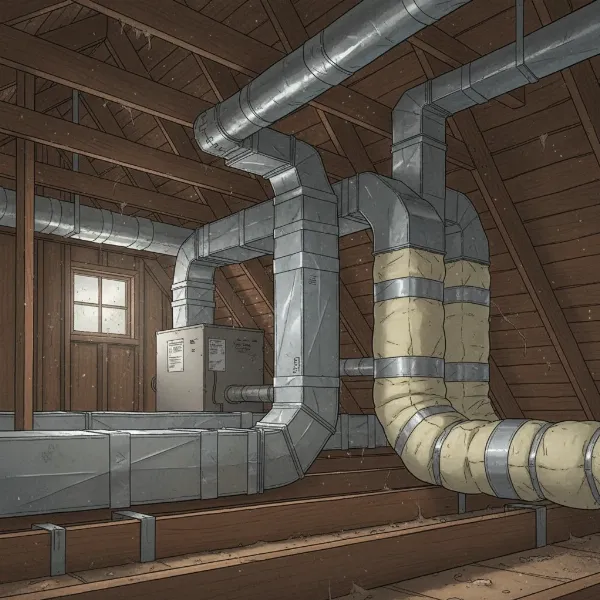 An illustration of sealed and insulated HVAC ductwork in an attic, preventing cold air leaks and improving energy efficiency.
Address Home Air Pressure Imbalances
If your home is very tight and you frequently use powerful exhaust fans, negative pressure could be pulling cold air in.
- Makeup Air Systems: For homes with high-CFM range hoods or other powerful exhaust systems, a dedicated makeup air system can introduce fresh outdoor air to balance pressure, preventing drafts through other unintended openings.
- Ventilation Strategies: A simpler approach for less extreme cases is to slightly crack a window open when operating multiple powerful exhaust fans to allow controlled air intake.
Regular Maintenance and Professional Assistance
Prevention and timely intervention are key to a consistently comfortable home.
- Routine Checks: Regularly inspect all your vents, both interior and exterior, for signs of damage, blockages, or wear and tear. This proactive approach can catch problems before they become major issues.
- When to Call a Professional: If you’ve implemented these DIY solutions and still experience persistent cold drafts, or if you suspect complex ductwork problems, hidden leaks, or major HVAC system malfunctions, it’s time to consult an HVAC specialist. “HVAC specialists can identify and seal gaps in duct systems, repair malfunctioning backdraft dampers, and evaluate overall ductwork design.” They can also conduct energy audits to pinpoint less obvious sources of drafts and provide tailored, long-term solutions for optimal air sealing and insulation.
> “Addressing cold air infiltration requires a multifaceted approach, akin to fortifying a castle against invading forces. Proper inspection, sealing, and insulation of ductwork form the foundation of an effective defense strategy.” – Derek, HVAC Expert, Cork Heating Cooling
Conclusion
Putting an end to cold air blowing back down your vents is essential for maintaining a comfortable, energy-efficient home. By systematically inspecting and repairing backdraft dampers, diligently sealing and insulating your ductwork, and considering broader home air pressure dynamics, you can significantly reduce drafts and lower your heating bills. Remember, while many solutions are DIY-friendly, persistent issues may warrant the expertise of a professional to ensure your home’s ventilation system functions optimally. Don’t let unwanted cold air compromise your comfort any longer – take control of your indoor climate today! What steps will you take this week to seal off those chilly intrusions?
Frequently Asked Questions
Why is cold air coming out of my range hood when it’s off?
Cold air typically enters your range hood when it’s off due to a malfunctioning exterior vent flap or backdraft damper. These components should close tightly when the hood isn’t operating, blocking outside air. Issues like grease buildup, damage, or improper installation can prevent them from sealing properly.
Can blocking a vent cause problems for my HVAC system?
Temporarily blocking a single vent in an unused room can help with drafts, but blocking too many vents can disrupt your HVAC system’s airflow, increase static pressure, and potentially strain the furnace or air conditioner, leading to inefficiency or even damage over time.
What is a backdraft damper, and where is it located?
A backdraft damper is a flap or set of flaps inside your ductwork that allows air to flow in one direction (out) and closes to prevent air from flowing back in (draft). It’s usually located within the ductwork, often near the exterior termination point (wall or roof cap) or where the duct connects to the appliance (like a Range Hood).
How can I tell if my ductwork has leaks?
Common signs of leaky ductwork include noticeable cold drafts near vents or registers, inconsistent temperatures in different rooms, higher energy bills, and excessive dust accumulation. You might also hear whistling sounds from duct connections. A professional can perform a duct leakage test for definitive results.
Is it normal for some cold air to come from vents in winter even with heat on?
No, if your heating system is running properly, the air coming from supply vents should be warm. If it’s blowing cold air while the heat is on, it indicates a problem with your furnace or heat pump, such as a dirty filter, pilot light issue, or a system malfunction requiring professional diagnosis. The focus of this article is primarily on external cold air ingress when the system is off or passive drafts, rather than active system malfunction.