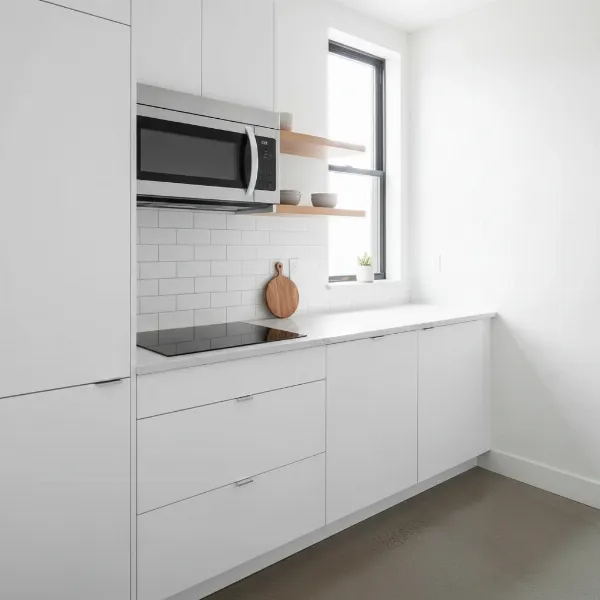
Is the roar of your range hood fan disrupting the peace of your kitchen? Many homeowners grapple with excessive noise from their kitchen ventilation systems, turning a simple cooking task into an irritating chore. While range hoods are essential for clearing smoke, odors, and grease, a noisy unit, particularly one with a loud duct, can significantly detract from your culinary experience. This guide will walk you through understanding the sources of range hood duct noise and provide effective strategies and materials to soundproof it, restoring serenity to your kitchen.
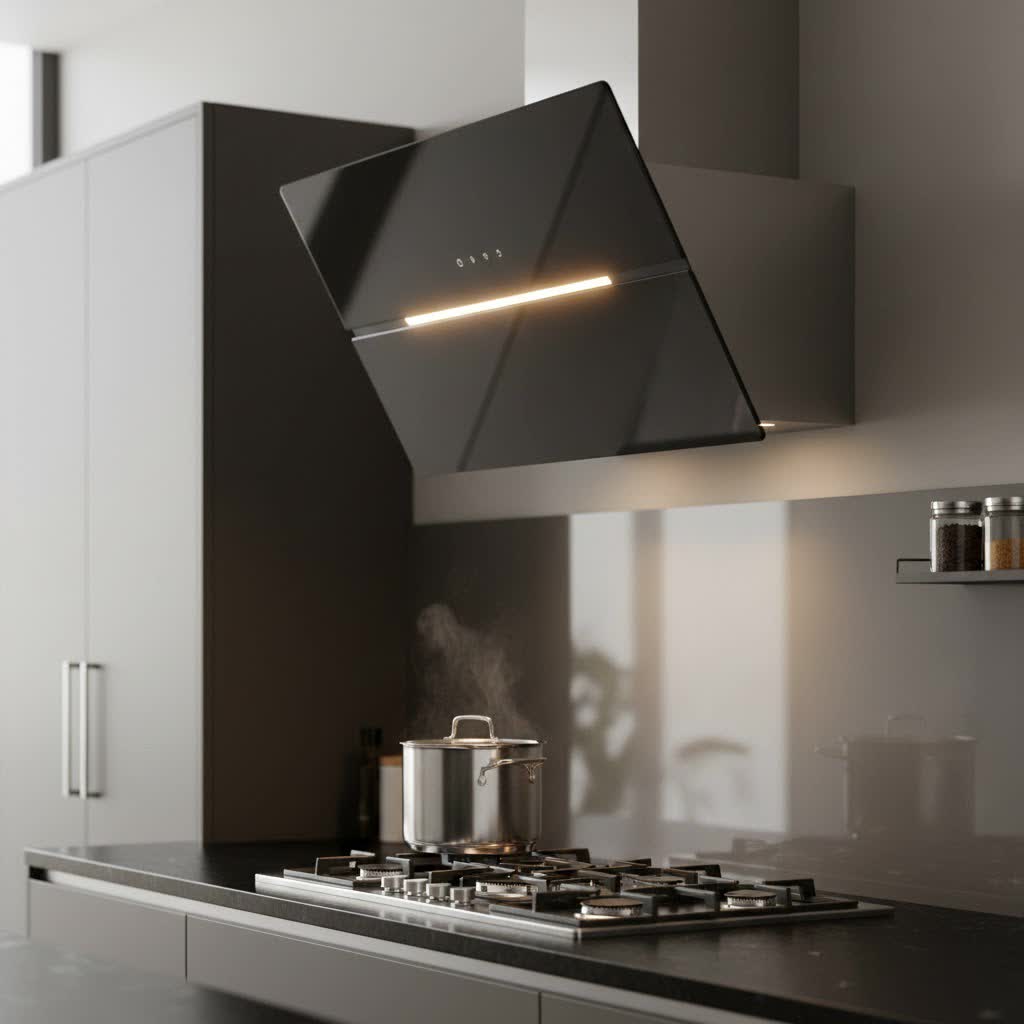
Understanding the Sources of Range Hood Duct Noise
Before diving into soundproofing solutions, it’s crucial to pinpoint why your range hood duct is noisy. Noise can originate from various points, and understanding these causes will lead to more effective mitigation strategies.
One primary culprit is airflow turbulence. This often arises when the ductwork is undersized for the range hood’s capacity, forcing the fan to work harder and creating a loud whooshing or whistling sound. Sharp bends, crimped sections, or an excessive number of turns in the duct run can also impede airflow and generate considerable noise as air struggles to pass through. Using flexible ducting, which often has a corrugated interior, can further exacerbate turbulence compared to smooth, rigid metal ducts.
Another significant source of disturbance is loose or damaged ductwork. Over time, vibrations from the fan motor or even external wind can loosen connections, creating small gaps or cracks. These unsealed areas can lead to whistling or hissing as air leaks in or out, and poorly secured duct sections can rattle against building structures. Improper installation or a lack of secure mounting points for the ducting can also contribute to unwanted noise.
Vibrations transmitted through ducts can also be a major issue. The range hood’s motor, though often the primary source of operational noise, can transmit these vibrations directly into the attached ductwork. Without proper isolation, the metal duct acts as a resonator, amplifying the motor’s hum or buzz throughout your home.
Lastly, backdraft damper noise is a common complaint, especially in windy conditions. These flaps, designed to prevent outside air from entering when the hood is off, can flap or bang if they are not weighted or spring-loaded adequately. This is particularly noticeable when strong winds cause reverse airflow or pressure changes within the duct system.
Essential Soundproofing Materials for Ductwork
Effective soundproofing relies on selecting the right materials. Each material serves a specific purpose, whether to absorb sound, block transmission, or dampen vibrations. Choosing materials that are also fire-resistant and suitable for a kitchen environment is paramount.
Acoustic insulation is fundamental for sound absorption within or around ductwork. Materials like fiberglass or mineral wool insulation are excellent choices. These materials are specifically designed to trap sound waves, reducing their propagation through the duct system. Fiberglass insulation, often used in batts or rolls, is lightweight and easy to install, while mineral wool, made from rock or slag fibers, offers superior density and fire resistance, making it a safe choice for range hood applications. Insulated sleeves, which are pre-insulated flexible ducts wrapped in a protective outer layer, provide a convenient solution for existing duct runs.
For sound blocking and dampening, Mass Loaded Vinyl (MLV) is highly effective. This dense, flexible material acts as a barrier to sound transmission. It can be wrapped around the exterior of the ductwork to significantly reduce noise breakout. Its heavy nature adds mass, which is key to blocking airborne sound. MLV is durable and often used in various soundproofing applications, making it ideal for the range hood duct.
Duct sealant and HVAC tape are crucial for addressing air leaks and ensuring airtight connections. Acoustic sealant, often applied with a caulking gun, fills small gaps and cracks that could otherwise generate whistling noises. High-quality foil-backed HVAC tape provides a strong, durable seal for duct joints and seams, preventing air leakage and the associated noise. Using appropriate tape that can withstand temperature fluctuations is vital.
Finally, vibration dampening pads and compounds are essential for minimizing structural noise. Butyl rubber sound deadening mats, similar to those used in automotive applications, can be applied directly to metal duct surfaces. These materials convert vibrational energy into low-level heat, effectively stopping the metal from resonating and amplifying motor or airflow noise. Rubber or foam gaskets can also be placed at contact points between the hood and cabinetry or mounting surfaces to absorb vibrations before they transfer to the surrounding structure.
> “Selecting fire-resistant and moisture-tolerant materials is as important as their acoustic properties when soundproofing kitchen ventilation systems.” – Dr. Anya Sharma, Environmental Acoustics Engineer
Step-by-Step Guide to Soundproofing Your Range Hood Duct
Effectively soundproofing your range hood duct involves a combination of careful preparation, material application, and thoughtful adjustments. Always prioritize safety by disconnecting power to the unit before beginning any work.
Preparation and Safety
Table is empty.Before anything else, turn off the power to your range hood at the circuit breaker and unplug it if accessible. Safety glasses and gloves are recommended when handling insulation materials to protect against irritants. Clear the work area, and gather all necessary tools: utility knife, measuring tape, caulking gun, HVAC tape, and your chosen soundproofing materials. Inspect the entire duct run, from the hood connection to the exterior vent, identifying any visible gaps, loose connections, or areas where the duct contacts other structures.
Insulating the Duct Exterior
Wrapping the exterior of your ductwork with soundproofing insulation is one of the most effective methods to reduce noise transmission. Measure the length and circumference of the duct sections you plan to insulate. Cut your chosen material, such as fiberglass, mineral wool, or Mass Loaded Vinyl (MLV), to size. Wrap the material snugly around the duct, ensuring complete coverage with minimal gaps. For MLV, you might use spray adhesive and then secure it further with high-quality foil HVAC tape. For fibrous insulation, secure it with tape or metal straps. This external layer helps absorb noise before it radiates into your kitchen or home.
Addressing Air Leaks and Gaps
Even small air leaks can create significant whistling or hissing sounds. Carefully inspect all duct joints, seams, and where the duct connects to the range hood and the exterior wall opening. Use a high-quality acoustic sealant or silicone caulking to fill any gaps or cracks you find. For larger seams, apply foil HVAC tape firmly over the connection points, ensuring a tight, long-lasting seal. This step not only reduces noise but also improves the overall efficiency of your ventilation system.
Dampening Vibrations
Vibrations are a major contributor to duct noise. To combat this, apply vibration dampening material, like butyl rubber mats, to accessible flat sections of the metal ductwork. Cut these sheets into manageable strips and press them firmly onto the duct surface, especially near the hood connection where motor vibrations are strongest. Additionally, consider placing rubber or foam gaskets between the range hood and any cabinetry or mounting brackets to absorb structural vibrations. If the ductwork is strapped, ensure the straps are tight but consider adding rubber isolators between the strap and the duct.
Optimizing Ductwork Layout (if possible)
While not always a simple DIY task, optimizing your ductwork layout can drastically reduce noise. If feasible, replace flexible ducting with rigid metal ducts, which offer smoother airflow and are less prone to turbulence. Aim for the shortest, straightest duct run possible, minimizing the number of bends or elbows. If turns are necessary, opt for gradual, sweeping elbows rather than sharp 90-degree angles to maintain smoother airflow. Ensuring the duct diameter is appropriate for your range hood’s CFM (Cubic Feet per Minute) is also critical; undersized ducts force the fan to work harder, generating more noise.
Enhancing Backdraft Dampers
A noisy backdraft damper can be irritating, especially on windy days. If your damper is causing flapping or banging sounds, consider upgrading to a more robust, weighted, or spring-loaded model. You can also try applying thin weatherstripping or foam tape around the edges of the damper flap where it meets the duct, creating a tighter, quieter seal. Ensure the damper can still open and close freely without obstruction.
Advanced Techniques and Considerations
For those seeking further noise reduction or dealing with particularly stubborn issues, several advanced techniques can be explored. These often involve more significant modifications and may benefit from professional expertise.
Inline or Remote Blowers
One of the most effective ways to reduce noise in the kitchen is to relocate the fan motor itself. Inline blowers are installed within the ductwork, often in an attic or a distant cabinet, moving the noisy motor away from the cooking area. External blowers are mounted completely outside the home, typically on the roof or an exterior wall. Both options significantly reduce the audible noise inside the kitchen by isolating the primary sound source. While these require professional installation and ductwork modifications, they offer a substantial improvement in kitchen tranquility.
Duct Silencers
For targeted noise reduction within the duct path, duct silencers (also known as duct attenuators) can be installed. These specialized components are designed to absorb sound waves traveling through the duct while allowing air to pass unimpeded. They are particularly effective at reducing fan motor noise that propagates through the ductwork. Duct silencers come in various shapes and sizes to match different duct dimensions and can be integrated into existing systems, though installation may require professional assistance.
Upgrading Duct Material
If your current ductwork is made from flexible or thin-gauge material, upgrading to rigid galvanized steel ducting can make a noticeable difference. Rigid metal ducts offer superior structural integrity, reducing vibrations and providing a smoother interior surface for airflow, which minimizes turbulence-generated noise. This is a more involved renovation but can lead to long-term noise reduction and improved overall ventilation efficiency.
Professional Installation
While many soundproofing steps can be tackled by a DIY enthusiast, complex installations, especially involving external/inline blowers or significant duct modifications, may benefit from professional expertise. HVAC technicians or specialized range hood installers can ensure proper sizing, sealing, and secure mounting, optimizing both performance and noise reduction. “Proper installation and meticulous ductwork design are crucial, not just for performance, but also for minimizing unwanted noise and vibrations,” says a kitchen appliance expert.
Maintenance for a Quieter System
Regular maintenance is not just about extending the lifespan of your range hood; it’s also a key strategy for keeping noise levels in check. A well-maintained system operates more efficiently and, by extension, more quietly.
Regular cleaning of your range hood’s filters is paramount. Clogged or greasy filters restrict airflow, forcing the fan motor to work harder and generate more noise. Clean or replace filters according to the manufacturer’s recommendations. Similarly, regularly cleaning the fan blades themselves of accumulated grease and debris prevents imbalances that can cause rattling or buzzing sounds.
Routine inspections of the entire system are also vital. Periodically check for any loose screws, bolts, or other components within the range hood or along the ductwork. Tighten any parts that may have come loose due to vibrations. Listen for new or unusual noises during operation, which can be early indicators of developing issues. Lubricating the fan motor, if applicable to your model, can also prevent squealing or grinding sounds from worn bearings.
Conclusion
A noisy range hood duct can significantly detract from the comfort and tranquility of your kitchen, but effective soundproofing is well within reach. By understanding that noise often stems from airflow turbulence, loose connections, and transmitted vibrations, you can implement targeted solutions. Utilizing materials like acoustic insulation, mass-loaded vinyl, and proper sealants, alongside meticulous installation and regular maintenance, will lead to a quieter cooking environment. For optimal results, consider upgrading to rigid ducting or even remote blower systems. Investing time in these soundproofing efforts ensures your range hood effectively clears the air without creating a racket, allowing you to enjoy a peaceful culinary space. What steps will you take to quiet your kitchen today?
Frequently Asked Questions
Does flexible ducting make range hood noise worse?
Yes, flexible ducting can contribute to increased range hood noise. Its corrugated interior surface creates more air turbulence compared to smooth, rigid metal ducts, leading to louder airflow sounds and reduced efficiency. Flexible ducts are also more prone to crimping and can transmit vibrations more readily.
How much noise reduction can I expect from soundproofing my duct?
The amount of noise reduction achieved depends on the original noise source and the thoroughness of your soundproofing efforts. By addressing airflow issues, sealing leaks, insulating the duct, and dampening vibrations, you can expect a noticeable reduction, potentially bringing a loud range hood (60+ dB) down to a more comfortable level (under 50 dB).
Is it safe to install insulation inside the range hood duct?
Generally, installing insulation inside the range hood duct is not recommended, as it can impede airflow, accumulate grease, and pose a fire hazard. Most soundproofing for ductwork involves wrapping the exterior with appropriate, fire-resistant materials like mineral wool, or using purpose-built duct silencers designed for internal use.
Can simply cleaning my range hood make it quieter?
Yes, often simple maintenance can significantly reduce noise. Clogged filters force the motor to work harder, generating more noise. Cleaning or replacing filters, cleaning fan blades, and tightening any loose components can dramatically improve airflow and reduce operational sounds. Regular maintenance is a crucial first step for a quieter range hood.
What are “sones” and how do they relate to range hood noise?
Sones are a linear measurement of loudness, making them a common unit for rating range hood noise levels. A higher sone rating indicates a louder range hood. For context, one sone is roughly equivalent to the sound of a quiet refrigerator. A Range Hood with a noise level above six sones is generally considered quite loud.
Should I replace my entire duct system to reduce noise?
Replacing an entire duct system, especially if it’s flexible or undersized, can offer significant noise reduction by improving airflow and reducing turbulence. While a larger undertaking, upgrading to smooth, rigid metal ductwork with minimal bends is highly effective for long-term noise reduction and efficiency. This may be best handled by a professional.