The range hood is often an overlooked appliance, primarily seen as a functional necessity rather than a design element. Yet, this central fixture in your kitchen holds immense potential to enhance your decor, acting as a stylish focal point or blending seamlessly into your desired aesthetic. If your current range hood clashes with your cabinets, appliances, or overall kitchen theme, a fresh coat of paint might be the perfect solution. This guide will walk you through everything you need to know to confidently paint your range hood, ensuring a durable, beautiful finish that perfectly complements your home.
Types of Range Hoods You Can Paint
Most range hoods are suitable for painting, but understanding their material is key to proper preparation and paint selection. The most common types you’ll encounter are metal and custom-built or wood-paneled hoods.
- Metal Range Hoods (e.g., Stainless Steel, Aluminum): These are arguably the most common candidates for painting. Stainless steel, while popular, can sometimes feel cold or industrial in certain kitchen designs. Painting it offers a fantastic way to soften its appearance or introduce a new color. The critical steps for metal hoods involve thorough cleaning, proper sanding to create a “tooth” for the primer, and using a high-quality metal-specific primer to ensure paint adhesion and prevent peeling. Without proper preparation, paint may struggle to bond to the smooth, non-porous surface of metal.
- Wood-paneled or Custom Hoods: Many kitchens feature custom-built range hood covers, often made from wood or MDF, designed to blend with cabinetry. These are generally easier to paint than metal, as wood and wood-based products accept paint readily. Preparation typically involves light sanding, cleaning, and a good quality wood primer. You can paint these to match your existing cabinets, trim, or create a striking accent piece.
Regardless of the material, the goal is to create a clean, dull, and porous surface that paint can effectively grip.
Essential Tools and Materials for Painting Your Range Hood
Before you begin, gathering the right tools and materials is crucial for a smooth and successful project. Having everything on hand will prevent interruptions and ensure a professional-looking finish.
- Safety Gear: Always prioritize safety. Wear a respirator mask to protect against paint fumes and dust, safety glasses to shield your eyes, and gloves to protect your hands.
- Cleaning Supplies: A heavy-duty degreaser, such as TSP (trisodium phosphate) or an equivalent kitchen degreaser, is essential to remove stubborn grease and grime. You’ll also need rags or microfiber cloths for cleaning and drying.
- Sanding Supplies: For metal surfaces, 220-grit sandpaper or a sanding block will be ideal for scuffing. For wood, finer grits like 180-220 can be used for light sanding.
- Masking Supplies: Painter’s tape (blue or green low-tack tape) is critical for protecting areas you don’t want painted, such as controls, vents, and surrounding cabinetry. Plastic sheeting or drop cloths will protect countertops, floors, and other kitchen surfaces from overspray.
- Primer: A high-quality metal-specific spray primer is highly recommended for metal hoods. For wood hoods, a good quality all-purpose or wood primer will suffice. Spray primers often provide a smoother, more even coat.
- Paint: For durability and a smooth finish, high-quality enamel spray paint is often preferred for range hoods, especially metal ones. Choose a paint designed for appliances or metal surfaces. For wood hoods, a durable cabinet or trim paint applied with a brush or small roller can also work beautifully, allowing for a wider range of custom colors.
- Optional Topcoat/Sealer: For added protection against grease, moisture, and wear, a clear topcoat or sealer (e.g., polyurethane for wood, or an appliance-grade clear coat for metal) can be applied.
- Mineral Spirits: Useful for cleaning up paint spills, tools, or removing mistakes before paint cures.
Preparing Your Range Hood for Painting: The Foundation for a Flawless Finish
Preparation is the most critical stage of any painting project. Skipping steps here can lead to peeling, bubbling, or an uneven finish, no matter how good your paint is.
- Safety First: Disconnect Power. Before touching your range hood, turn off the power to it at your circuit breaker. This is crucial for your safety, especially when cleaning around electrical components.
- Disassembly and Thorough Cleaning. Remove any removable parts such as filters, light covers, and control knobs. If possible, carefully detach the hood from the wall for easier access and a cleaner job, though this isn’t always necessary for simply painting the exterior. Next, clean the entire surface thoroughly with a heavy-duty degreaser like TSP. Kitchens accumulate grease and grime, which must be completely removed for paint to adhere. Rinse well with clean water and allow the surface to dry completely. Any residual grease will repel paint.
- Sanding and Scuffing. For metal range hoods, lightly scuff the entire surface with 220-grit sandpaper or a sanding block. This isn’t about removing the existing finish, but rather creating microscopic scratches that the primer can grip onto, significantly improving adhesion. For wood hoods, a light sanding will smooth any imperfections and help the primer adhere. After sanding, wipe the surface clean with a tack cloth or a damp (not wet) cloth to remove all dust.
- Masking and Taping. Carefully tape off any areas you do not want painted. This includes edges of vents, light sockets, control panels, and the surrounding walls or cabinetry. Use high-quality painter’s tape for crisp lines. Cover surrounding areas with plastic sheeting or drop cloths to protect them from overspray, especially if you’re using spray paint. Ensure the space is well-ventilated.
“The success of your range hood painting project hinges entirely on the prep work. Investing time in proper cleaning and sanding will prevent future headaches and ensure a finish that looks professionally done.” – Admin, Reviewike.com, Kitchen Appliance Expert
Step-by-Step Guide to Painting Your Range Hood
With proper preparation complete, you’re ready for the exciting part: painting! Patience and thin coats are your allies for a smooth, even finish.
- Priming. Apply a thin, even coat of your chosen primer. For spray primer, hold the can about 8-12 inches from the surface and use sweeping motions. Avoid heavy coats that can lead to drips. For brush-on primer, use a high-quality brush for smooth application. Allow the primer to dry completely according to the manufacturer’s instructions, typically 4-24 hours. Often, a second thin coat of primer is beneficial, especially for challenging surfaces like stainless steel. Ensure each coat is fully dry before applying the next.
- Applying Paint. Once the primer is dry, it’s time for the color. If using spray paint, apply several thin coats rather than one thick one. This prevents drips and ensures a durable, factory-like finish. Wait the recommended drying time between coats (usually 15-30 minutes for spray paint). If you’re brushing or rolling, apply smooth, even coats, working in one direction. Two to three thin coats are usually sufficient for full coverage and a robust finish.
- Drying and Curing. This step is crucial and often overlooked. While the paint may feel dry to the touch within hours, it takes significantly longer to fully cure and harden. This curing process can take anywhere from 24 hours to several days, or even weeks for some paints. Consult your paint’s instructions. Resist the urge to reassemble or use the range hood during this time to avoid damaging the fresh finish.
- Optional: Sealing for Durability. For high-traffic kitchens or areas prone to splatters, applying a clear topcoat or sealer can add an extra layer of protection. Ensure your topcoat is compatible with your paint type. Apply it in thin, even coats, allowing each to dry thoroughly. This step is particularly beneficial for wood hoods or if you chose a paint that isn’t inherently very durable.
Choosing the Perfect Color and Finish to Match Your Decor
Painting your range hood is an opportunity to express your style. Consider these factors when selecting your color and finish:
- Matching Existing Elements:
- Cabinets: Paint your range hood the same color as your upper cabinets for a seamless, built-in look. This creates visual continuity and makes your kitchen feel larger.
- Walls: Matching the wall color can make the hood “disappear” into the background, ideal for small kitchens or minimalist designs.
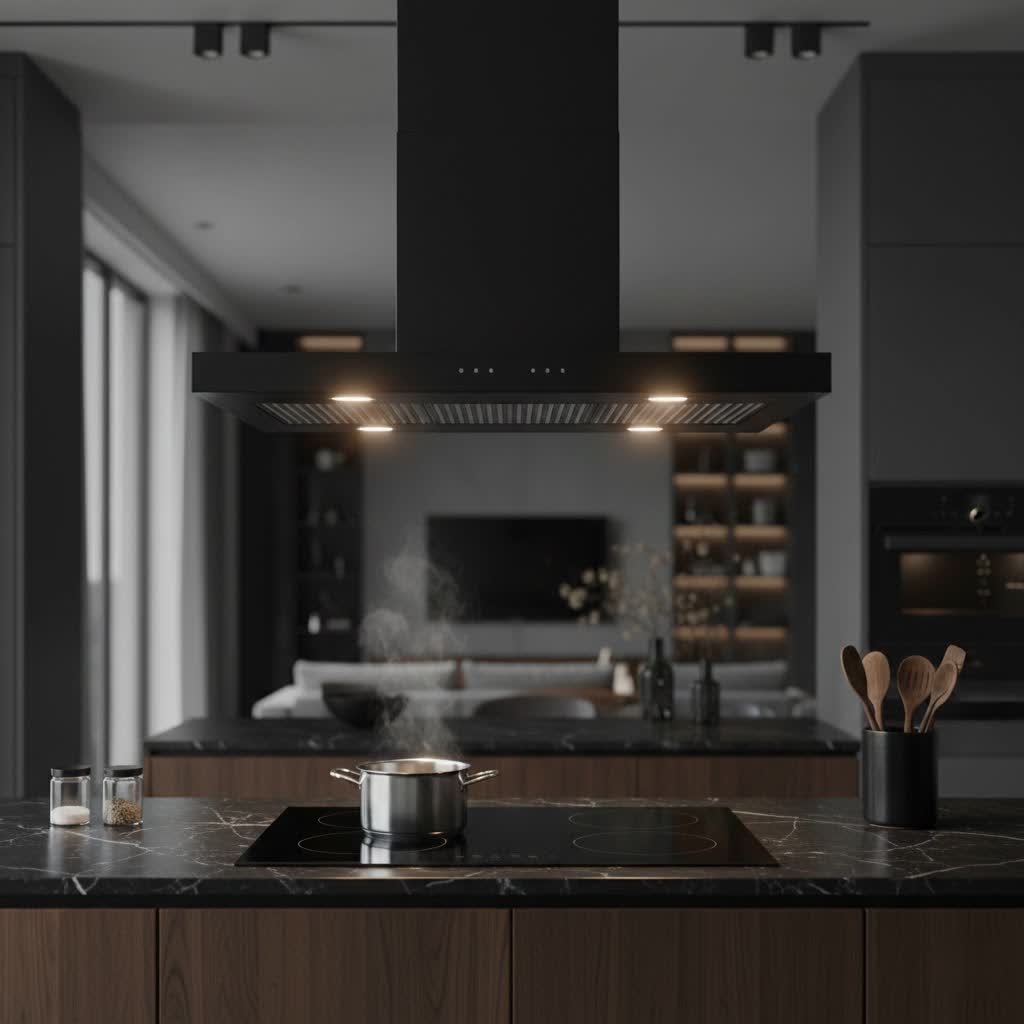
- Appliances: If you want a cohesive appliance aesthetic, consider painting the hood to match other appliances (e.g., a matte black hood to complement a black stove).
- Creating Contrast:
- A bold color, like matte black, a deep navy, or even a vibrant jewel tone, can turn your range hood into a stunning focal point, especially in a neutral kitchen.
- Consider matching the hood to a contrasting accent color found elsewhere in your kitchen, such as an island, backsplash, or window trim.
- Popular Finishes:
- Matte or Flat: Offers a sophisticated, modern, and often softer look that can hide minor imperfections.
- Satin or Eggshell: A versatile choice with a subtle sheen, easy to clean, and commonly used for cabinets and trim.
- Semi-Gloss or Gloss: Provides a durable, highly reflective surface that is very easy to clean. Best for a sleek, contemporary look but can highlight surface imperfections.
- Considering Kitchen Style:
- Modern/Contemporary: Matte black, white, or a bold solid color with a semi-gloss finish.
- Farmhouse/Rustic: Soft whites, grays, or even a subtle distressed look on a wood hood.
- Traditional: Cream, off-white, or a color that complements natural wood tones.
Common Pitfalls and How to Avoid Them
Even seasoned DIYers can make mistakes. Being aware of common pitfalls will help you achieve the best results.
- Inadequate Prep (Cleaning, Sanding): The number one cause of paint failure. If the surface isn’t perfectly clean and properly scuffed, the paint won’t adhere and will eventually chip or peel. Always degrease thoroughly and sand as needed.
- Rushing the Process (Drying Times): Impatience leads to problems. Applying subsequent coats of primer or paint before the previous one is fully dry can cause cracking, bubbling, or an uneven finish. Always follow manufacturer drying and curing times.
- Using the Wrong Type of Paint/Primer: Not all paints are created equal. Using standard wall paint on a metal range hood, for example, will likely result in poor adhesion and durability. Ensure your primer is suitable for your hood’s material and your topcoat paint is durable enough for kitchen use.
- Applying Too Much Paint at Once: This is a common mistake with spray paint, resulting in unsightly drips, runs, and an uneven texture. Always apply multiple thin coats, building up the color gradually.
Conclusion: Elevate Your Kitchen with a Custom Range Hood
Painting your range hood is a transformative DIY project that offers a high-impact aesthetic upgrade without the expense of a full replacement. By carefully following the steps for preparation, selecting the right materials, and applying paint with patience, you can achieve a custom look that perfectly integrates with your kitchen decor. This simple yet effective enhancement allows you to express your personal style, refresh an outdated appliance, and create a more cohesive and inviting culinary space.
Imagine the satisfaction of standing back and admiring a kitchen where every element, down to the range hood, reflects your unique taste. What color will you choose to make your range hood truly shine?
Frequently Asked Questions
Can I paint a stainless steel range hood?
Table is empty.Yes, absolutely! Stainless steel range hoods can be successfully painted. The key is proper preparation, including thorough degreasing and light sanding or scuffing, followed by a metal-specific primer and high-quality enamel spray paint for optimal adhesion and a durable finish.
Do I need special heat-resistant paint for my range hood?
For the exterior casing of most household range hoods, special high-heat paint is generally not required, as the exterior typically doesn’t reach extreme temperatures. However, using a durable, appliance-grade enamel paint is recommended for its hardness and resistance to kitchen conditions.
How long does a painted range hood last?
With proper preparation and high-quality paint, a painted range hood can last for many years. The longevity depends on the quality of the materials used, the thoroughness of the application, and how well it’s maintained. Minor touch-ups might be needed over time due to wear or scratches.
Can I use a brush instead of spray paint for my range hood?
While spray paint often provides the smoothest, most factory-like finish, you can use a brush or a small foam roller for painting your Range Hood, especially for wood-paneled hoods. Choose a high-quality, durable enamel or cabinet paint and apply thin, even coats to minimize brush strokes and achieve a professional appearance.