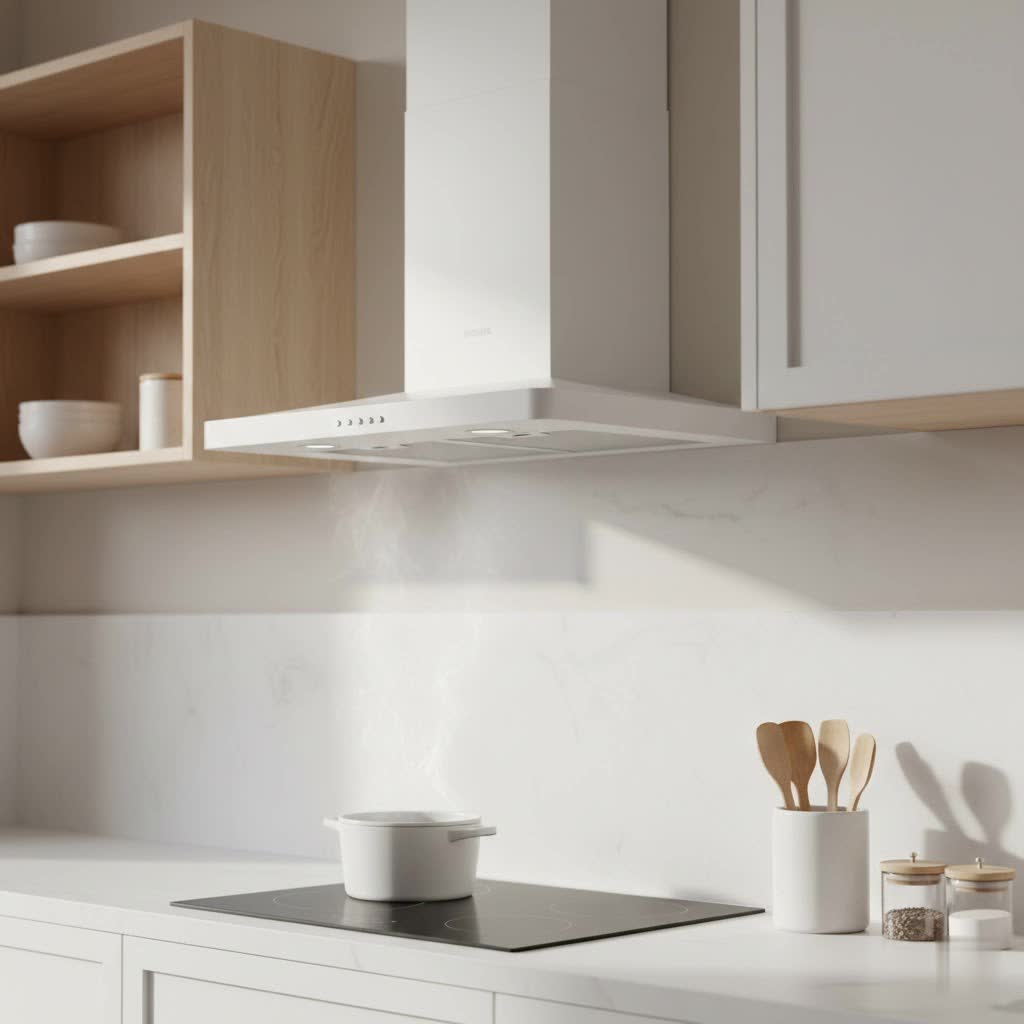
Imagine the aroma of a delicious meal filling your home – wonderful at dinner, but not so much lingering the next morning. Cooking generates smoke, grease, heat, and odors that can impact air quality and cleanliness. This is where a range hood becomes an indispensable kitchen appliance, working tirelessly to keep your cooking space fresh. But with various options available, how do you decide which one is right for you? The choice often comes down to two primary types: ducted or ductless range hoods. Understanding their fundamental differences is crucial to selecting the ideal system for your home and culinary habits.
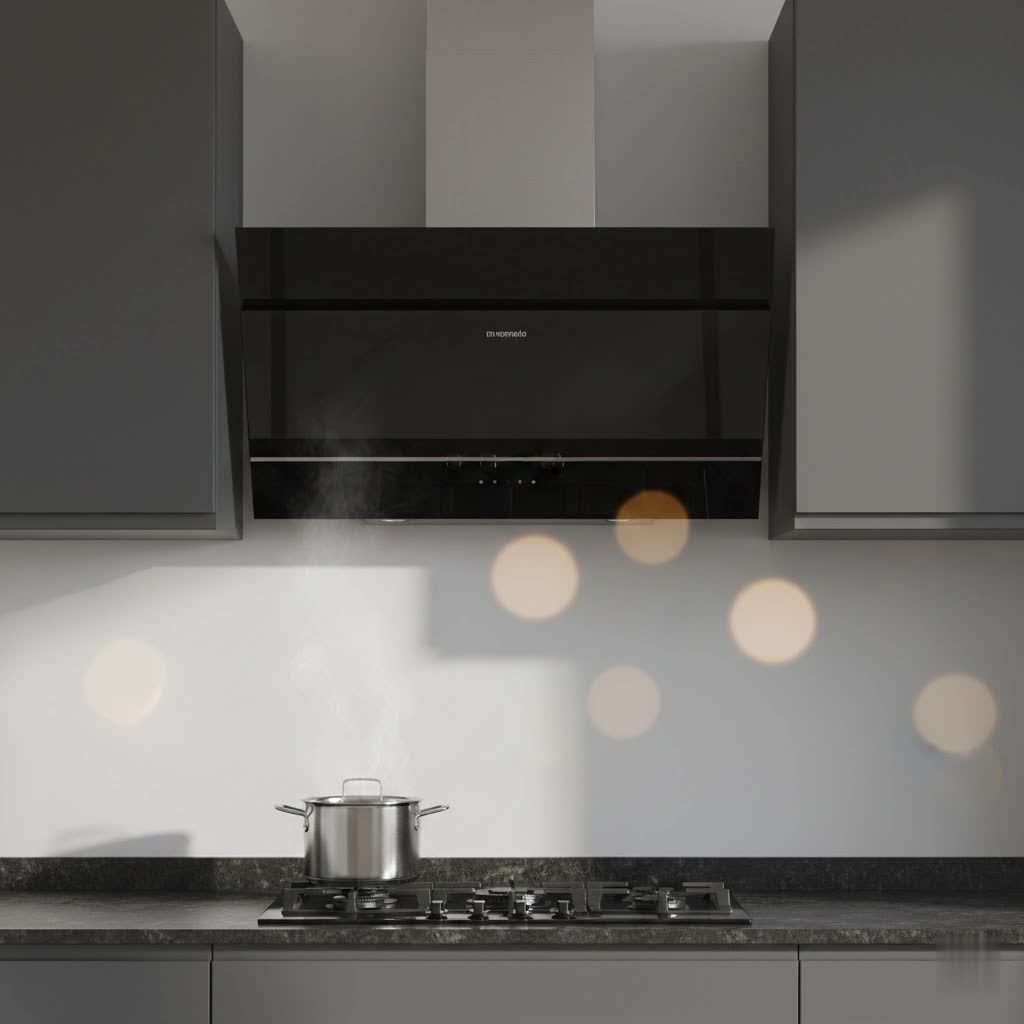
Understanding Range Hood Ventilation Systems
Range hoods are designed to remove undesirable airborne particles produced during cooking. They draw in air from above your stovetop and either expel it outside or filter and recirculate it back into the kitchen. This critical function prevents the buildup of grease, moisture, and odors that can otherwise coat surfaces and degrade indoor air quality.
Ducted Range Hoods (Vented)
Table is empty.Ducted range hoods, also known as vented hoods, operate by pulling cooking fumes, steam, and grease-laden air directly from your cooktop and expelling them outside your home through a system of ductwork. This direct exhaust mechanism ensures that all contaminated air is permanently removed from your indoor environment. Key components typically include a powerful fan, grease filters (often mesh or baffle), and a network of pipes that channel the air outdoors. Because the air is completely removed, ducted systems are highly effective at maintaining pristine air quality.
Ductless Range Hoods (Recirculating)
In contrast, ductless range hoods, or recirculating hoods, do not vent air to the outside. Instead, they draw air in, pass it through a series of filters, and then release the “cleaned” air back into the kitchen. The primary components are a fan, a grease filter to capture larger particles, and an activated carbon or charcoal filter specifically designed to absorb odors and finer impurities. These systems are popular in situations where external venting is not feasible, such as in apartments, condominiums, or kitchens with restrictive layouts.
Ducted vs. Ductless: A Head-to-Head Comparison
Deciding between a ducted and ductless range hood involves weighing their distinct characteristics across several critical areas. Each type offers unique advantages and disadvantages that cater to different kitchen setups and cooking styles.
Performance and Air Quality
When it comes to pure performance and air quality, ducted range hoods generally stand superior. They physically remove smoke, steam, grease, and odors from your home, ensuring that your indoor air remains as clean and fresh as possible. This is particularly beneficial for heavy cooking, such as frying, searing, or wok-style cooking, and for homes with gas stoves, which can produce additional pollutants.
Ductless hoods, while effective for lighter cooking tasks, filter and recirculate air rather than removing it entirely. While their activated carbon filters do an admirable job of capturing odors and some particles, they are less efficient at removing humidity and the finest airborne contaminants. This means some grease residues, moisture, and subtle odors may still linger in the kitchen, especially after intense cooking sessions.
Installation Complexity and Cost
The installation process and associated costs are often a major deciding factor. Ducted range hoods require the installation of ductwork to an exterior wall or roof, which can be a complex and costly endeavor. This may involve cutting through cabinetry, walls, or ceilings, and potentially requires professional installation and permits. Such requirements can limit placement options, making ducted hoods less suitable for interior kitchens or homes where extensive renovation is not desired.
Ductless range hoods, on the other hand, boast a much simpler and more flexible installation. They don’t require external ducting, making them ideal for apartments or remodels where minimal disruption is a priority. Their initial purchase and installation costs are typically lower due to the absence of complex ductwork.
Maintenance
Maintenance routines differ significantly between the two types. Ducted range hoods primarily require regular cleaning of their grease filters (which are usually washable) and occasional inspection of the ductwork for any grease buildup. Since air is expelled, there’s less reliance on consumable filters.
Ductless hoods, however, demand more intensive maintenance. In addition to cleaning the grease filters, the activated carbon or charcoal filters must be replaced periodically, typically every 3 to 6 months, depending on usage. Neglecting to replace these filters will lead to a rapid decline in the hood’s odor-absorbing performance and overall effectiveness.
Noise Level
The noise produced by a range hood is measured in sones, and it’s an important consideration for many homeowners. Ducted range hoods can often operate more quietly, especially models where the blower motor is located further away from the kitchen, such as in an attic or outside the home. This separation helps to significantly reduce ambient noise in the cooking area.
Ductless range hoods, with their self-contained design and internal blowers, can sometimes be louder. The air is drawn in, filtered, and pushed back into the room, creating more direct fan noise. However, advancements in motor technology and sound insulation mean that many newer ductless models are designed with noise reduction in mind, offering a quieter experience than older units.
Energy Efficiency
Energy efficiency presents a nuanced comparison. Ducted hoods remove heated or cooled air from your home, which can lead to a slight increase in your HVAC system’s workload to compensate for the air exchange. However, by effectively removing heat and humidity generated by cooking, they can also help maintain a more comfortable indoor temperature.
Ductless hoods recirculate air, thus not expelling conditioned air, which some might see as an energy-saving benefit. However, their reduced effectiveness in removing humidity can sometimes make a kitchen feel warmer and more humid during cooking, potentially increasing the burden on air conditioning in warmer climates.
Factors to Consider When Selecting Your Range Hood
Choosing the best range hood isn’t just about ducted versus ductless; it involves a holistic assessment of your specific kitchen environment and cooking habits. Consider these factors to guide your decision:
Cooking Frequency and Style
Your culinary routine plays a significant role. If you frequently engage in heavy cooking—frying, grilling, or preparing strong-smelling foods—a ducted range hood is the optimal choice for its superior extraction capabilities. For occasional, lighter cooking like boiling or baking, a high-quality ductless system may provide adequate ventilation.
Kitchen Layout and Ducting Access
Examine your kitchen’s structure. Do you have direct access to an exterior wall or roof where ductwork can be easily installed? If your kitchen is in the interior of your home, or if structural limitations (like concrete ceilings) make external venting impractical or overly costly, a ductless range hood becomes a more feasible and often the only option.
Air Quality Priorities
If eliminating odors, grease buildup, and humidity is your top priority, especially in an open-plan kitchen or for health reasons, a ducted system is the clear winner. If you prioritize ease of installation and design flexibility over absolute air purification perfection, a well-maintained ductless hood can be an acceptable compromise.
Budget and Long-Term Costs
Consider both the upfront investment and ongoing expenses. Ducted systems typically have higher initial costs due to the complexity of installation and materials for ductwork. However, their long-term operating costs might be lower, with less frequent filter replacement. Ductless hoods are generally cheaper to buy and install, but they incur recurring costs for replacement activated carbon filters every few months, adding up over time.
CFM Rating and Power
Cubic Feet per Minute (CFM) measures how much air a range hood can move. The right CFM depends on your kitchen’s size and your cooking intensity.
- For Kitchen Volume: A common guideline is to calculate your kitchen’s cubic volume (Length x Width x Height in feet), multiply by 15 (for 15 air exchanges per hour), and then divide by 60 (minutes per hour) to get a minimum CFM. (e.g., 10x10x8 ft kitchen = 800 cu ft. * 15 / 60 = 200 CFM).
- For Gas Cooktops: For every 10,000 BTUs (British Thermal Units) of your gas range’s total output, you generally need 100 CFM. So, a 40,000 BTU gas range would require at least 400 CFM.
- For Electric/Induction Cooktops: A general rule is 100 CFM per linear foot of cooktop width for wall-mounted hoods. A 30-inch electric cooktop (2.5 linear feet) would need approximately 250 CFM.
It’s also important to note that island hoods often require higher CFM ratings because they lack surrounding walls to help capture smoke and steam, necessitating a wider and more powerful capture area. Additionally, long or narrow ducts, or ducts with too many bends, can reduce performance, requiring a higher initial CFM.
Size and Placement
The physical size of your range hood is vital for effective capture. The hood should be at least as wide as your cooktop, and ideally, extend 3 to 6 inches beyond the cooking surface on each side. This wider “capture zone” ensures that smoke and grease are effectively drawn into the hood. Standard installation height is typically between 24 and 30 inches above the cooking surface, but always check manufacturer specifications.
Noise Tolerance
If a quiet kitchen environment is paramount, pay close attention to the sone rating of a range hood. Lower sone numbers indicate quieter operation. While higher CFM generally correlates with more noise, many manufacturers offer models with advanced baffling and motor designs that minimize sound.
Additional Features
Modern range hoods come with a variety of features that can enhance your cooking experience:
- Multiple Fan Speeds: Allows you to adjust ventilation based on cooking intensity.
- Lighting: Often LED, providing bright, energy-efficient illumination for your cooktop, with some models offering dimmable options.
- Exhaust Timers: Automatically turn off the fan after a set period.
- Auto-Heat Sensors: Adjust fan speed based on detected heat.
- Smart Features/Remote Control: Allow operation from a distance or integration with smart home systems, sometimes offering ADA compliance for easier access.
- Filter Indicators: Remind you when filters need cleaning or replacement.
Top Range Hood Models: What to Look For
When considering specific models, rather than focusing on brands that can rapidly update their product lines, concentrate on the core features that define a high-performing range hood within each category.
For High-Quality Ducted Range Hoods: Look for models with robust construction, typically stainless steel. They should offer a high CFM rating appropriate for your kitchen and cooking style, ideally with variable speed settings for flexibility. Baffle filters are often preferred for their efficiency in trapping grease and ease of cleaning compared to mesh filters. Pay attention to the duct size recommended by the manufacturer, as larger ducts generally allow for better airflow and quieter operation.
For Effective Ductless Range Hoods: The quality of the filtration system is paramount. Seek out models that utilize advanced activated carbon or charcoal filters with a high absorption capacity. These should be easily replaceable, and the manufacturer should provide clear guidelines on replacement frequency. Look for efficient fan designs that maximize air circulation while minimizing noise. While they won’t match the pure extraction of a ducted system, a well-designed ductless hood with superior filtration can significantly improve air quality for lighter cooking.
Making the Right Choice: Your Buying Guide
Navigating the options for range hoods can feel overwhelming, but with a structured approach, you can confidently select the perfect fit for your home.
- Assess Your Needs: Begin by honestly evaluating your cooking habits. Are you a frequent chef who enjoys high-heat, aromatic dishes, or do you mostly prepare lighter meals? Consider your lifestyle and how often your kitchen is truly active.
- Measure Your Space: Accurately measure your cooktop and the available space above it, including ceiling height. This will determine the appropriate size and mounting style (under-cabinet, wall-mount, island, or insert) and help calculate the necessary CFM.
- Consider Installation: Determine the feasibility of installing ductwork. If you’re undertaking a major kitchen renovation, adding ducting might be a straightforward option. For existing kitchens, apartments, or situations with budget constraints for construction, a ductless unit offers a simpler path.
- Factor in Long-Term Maintenance: Understand the ongoing commitment for each type. Ducted hoods require less frequent consumable purchases, while ductless models depend on regular, often costly, filter replacements.
- Read Reviews and Specifications: Don’t get swayed solely by aesthetics. Dive into product specifications, CFM ratings, sone levels, and user reviews to gauge real-world performance and reliability.
- Consult an Expert: For complex kitchen layouts, high-BTU cooktops, or if you’re unsure about local building codes for ventilation, seeking advice from a professional kitchen designer or appliance expert can provide invaluable, tailored recommendations.
> “The ideal range hood isn’t just about power; it’s about seamlessly integrating function with your kitchen’s unique demands and your personal cooking style.” – Expert Technician, Reviewike.com
Conclusion
The decision between a ducted and ductless range hood boils down to a balance of superior air extraction versus installation flexibility. Ducted systems offer unmatched performance in removing smoke, grease, odors, and humidity entirely from your home, making them the preferred choice for avid cooks and those prioritizing pristine indoor air quality. Ductless models, while not as powerful in outright removal, provide a practical and more accessible ventilation solution for lighter cooking and situations where external venting is not possible, relying on advanced filtration to clean and recirculate air.
Ultimately, the “better” choice is entirely personal, driven by your specific kitchen layout, cooking habits, budget, and air quality priorities. By carefully evaluating these factors, you can make an informed decision that enhances your cooking environment and overall home comfort.
What culinary adventures are you eager to embark on with your perfectly chosen range hood, knowing your kitchen air will always be fresh and clean?
Frequently Asked Questions
Can a ductless range hood be converted to ducted?
Yes, some range hoods are designed to be “convertible,” meaning they can function as either ducted or ductless with the appropriate kit and modifications. However, if a hood is not explicitly convertible, adapting it for ducted operation can be complex and may require significant modifications to the appliance and your home’s structure.
How often should ductless filters be changed?
Ductless range hoods rely on activated carbon or charcoal filters to trap odors. These filters typically need to be replaced every 3 to 6 months, depending on how frequently and intensely you cook. Regular replacement is crucial to maintain the hood’s effectiveness in absorbing odors and keeping your kitchen air fresh.
Are ductless range hoods completely useless?
No, ductless range hoods are not completely useless. While they are less effective than ducted systems at removing all cooking byproducts and humidity, they provide a valuable solution for kitchens where external venting is impossible. For light to moderate cooking, a well-maintained ductless hood with high-quality carbon filters can significantly reduce odors and grease particles, improving overall air quality.
Do range hoods remove all odors?
Ducted range hoods are highly effective at removing the vast majority of cooking odors, smoke, and steam by expelling them outside. Ductless hoods, using activated carbon filters, can absorb a significant amount of odors, but some persistent or strong smells may still linger as the air is recirculated, not entirely removed.
What is the ideal height for a range hood installation?
The ideal height for a Range Hood typically ranges between 24 and 30 inches above the cooking surface. For electric cooktops, it might be closer to 20-24 inches, while for gas cooktops, 24-30 inches is often recommended due to higher heat output. Always refer to the manufacturer’s specific guidelines for your model to ensure optimal performance and safety.