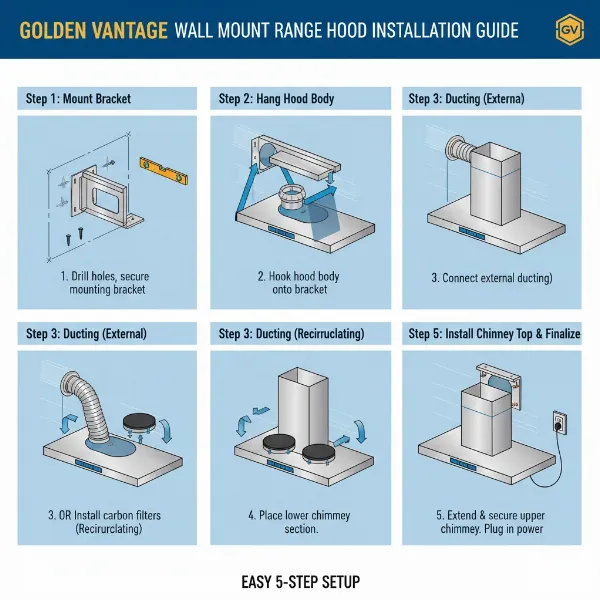
The heart of every home, the kitchen, demands efficient ventilation to maintain a fresh, healthy environment. As you embark on selecting the perfect range hood, a crucial decision often arises: should you opt for a hardwired or a plug-in model? This choice, while seemingly technical, significantly impacts installation, aesthetics, and long-term flexibility. Understanding the fundamental differences between these electrical connections is key to ensuring your kitchen not only smells great but is also safe and compliant with building standards. This guide will clarify the distinctions, helping you make an informed decision tailored to your culinary space and needs.
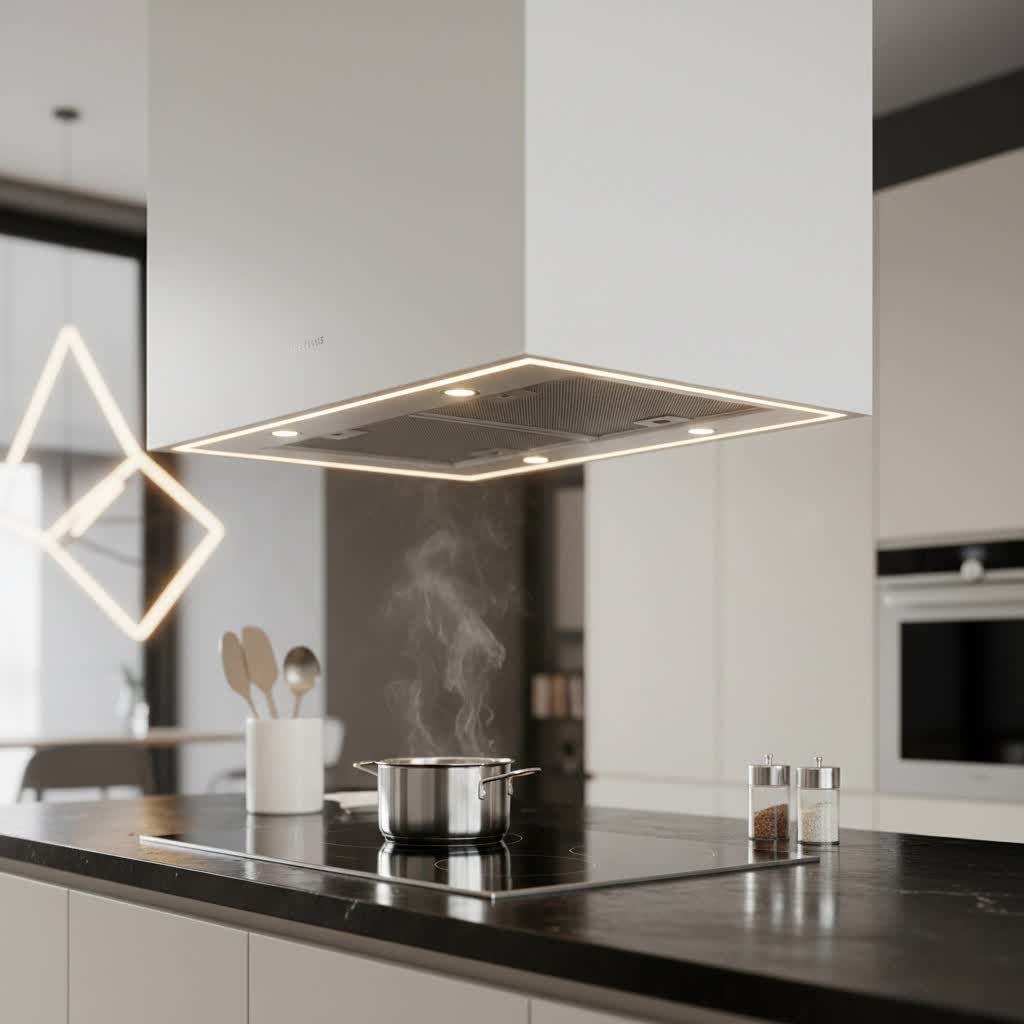
Understanding Range Hood Power Connections
Before diving into a direct comparison, it is essential to define what each connection type entails. The electrical connection method determines how your range hood draws power from your home’s electrical system, influencing everything from installation to future maintenance.
What is a Hardwired Range Hood?
Table is empty.A hardwired range hood is an appliance directly connected to your home’s electrical wiring. This means the hood’s power cable is routed into a junction box in the wall or ceiling, where it is permanently spliced into the circuit. There are no visible plugs or outlets; the connection is integrated seamlessly into the structure. Hardwired installations typically require the expertise of a licensed electrician to ensure safety and compliance with local building codes, making them a more permanent fixture in your kitchen.
What is a Plug-In Range Hood?
Conversely, a plug-in range hood is designed to connect to a standard electrical outlet using a power cord. These hoods come equipped with a three-pronged plug, allowing for a simpler, often DIY-friendly installation. The flexibility of a plug-in model means it can be easily disconnected and relocated, provided an accessible and appropriate outlet is available. However, specific electrical codes, such as the National Electrical Code (NEC), dictate strict requirements for cord length and dedicated circuits to ensure safe operation.
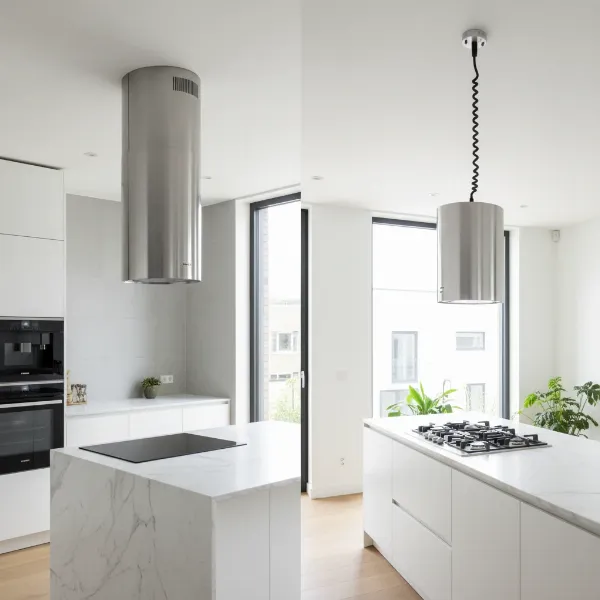 A modern kitchen with two range hood installation types: one sleek hardwired hood above a stovetop, and another with a visible plug-in cord.
Key Differences: Hardwired vs. Plug-In Range Hoods
The choice between a hardwired and plug-in range hood boils down to several critical distinctions that affect installation, performance, and overall kitchen design.
| Feature | Hardwired Range Hood | Plug-In Range Hood |
|---|---|---|
| Installation | More complex, typically requires a licensed electrician. | Simpler, often DIY-friendly. |
| Aesthetics | Sleeker, no visible cords for a seamless look. | Power cord is visible, potentially impacting design. |
| Mobility | Fixed, permanent fixture; difficult to relocate. | More mobile, can be easily disconnected and moved. |
| Electrical Work | Involves direct wiring into the home’s electrical system. | Connects to a standard electrical outlet. |
| Cost (Installation) | Generally higher due to labor from a professional electrician. | Potentially lower if DIY, but may involve outlet installation if none exists. |
| Code Compliance | May be required by local building codes for certain powerful units. | Must adhere to NEC cord length (18″-4ft) and dedicated circuit rules. |
| Power & Features | Often associated with more powerful, feature-rich models. | Generally for less powerful, basic models, but exceptions exist. |
Installation Complexity & Cost
The most significant difference lies in installation. Hardwired range hoods demand a more intricate process, as they connect directly to your home’s electrical system. This typically involves cutting into walls or cabinets, running new wiring, and making secure connections within a junction box. Due to the inherent risks and technical requirements, a licensed electrician is usually necessary, which adds to the overall installation cost.
In contrast, plug-in range hoods offer a much simpler installation. If a suitable, accessible outlet is already in place, homeowners can often perform the installation themselves, simply mounting the hood and plugging it in. This can result in considerable savings on labor costs. However, if a new dedicated outlet is needed, electrical work will still be required.
Mobility & Aesthetics
A hardwired range hood becomes a permanent fixture in your kitchen. Once installed, relocating or replacing it with a different type of hood can involve significant electrical and structural work. The benefit, however, is a cleaner, more streamlined aesthetic, free from visible cords and plugs, which seamlessly integrates into modern kitchen designs.
Plug-in models provide greater mobility. They can be easily unplugged and moved, offering flexibility for kitchen remodels or appliance upgrades. The trade-off is often a visible power cord, which some homeowners might find detracts from their kitchen’s aesthetic. Proper cord management can mitigate this, but it remains a consideration.
Electrical Requirements & Code Compliance
Both connection types are subject to electrical codes, primarily the National Electrical Code (NEC) in the United States, to ensure safety. Range hoods, regardless of connection type, typically require a dedicated branch circuit. This means the hood should have its own circuit breaker in your electrical panel, preventing it from overloading a shared circuit and reducing the risk of tripped breakers or electrical hazards.
For plug-in models, the NEC specifies that the power cord must be between 18 inches (450mm) and 4 feet (1.2m) in length and must terminate with a grounding-type (three-pronged) attachment plug. The receptacle itself must be accessible and protected from physical damage. It is explicitly stated that range hoods should not be connected to a kitchen small-appliance circuit (NEC 210.52(B)(2)). If a hood comes with a three-pronged plug, hardwiring is not necessary, but if it has a cut plug, hardwiring is required.
Power & Features
While not a strict rule, hardwired range hoods are often associated with more powerful models that boast advanced features. These high-performance units, which may include stronger fans (higher CFM), specialized lighting, or complex electronic controls, often draw more power, making a direct, hardwired connection the more robust and stable option for consistent operation. Plug-in models tend to cater to more basic ventilation needs, though modern advancements mean powerful plug-in options are also available.
Choosing the Right Connection for Your Kitchen
Deciding between a hardwired and plug-in range hood involves evaluating your specific kitchen environment, budget, and future plans.
Existing Wiring & Kitchen Layout
Consider the current electrical setup in your kitchen. Is there an accessible, dedicated outlet above your cooktop where a range hood could be plugged in? If not, or if you prefer a cleaner look, a hardwired installation might be necessary, potentially involving additional electrical work to run new wiring to the hood’s location. The proximity of available power sources is a key factor.
Renovation vs. New Build
In new construction or a major kitchen renovation, running new wiring for a hardwired connection is often simpler and more cost-effective as walls are already open. This allows for seamless integration and a preferred aesthetic. For minor upgrades or replacements in an existing kitchen without extensive electrical changes, a plug-in hood might be the more practical and less disruptive choice, especially if a suitable outlet is already present.
Budget & Expertise
Hardwiring typically incurs higher installation costs due to the need for professional electrical work. If you are comfortable with DIY projects and a plug-in model meets your needs, you can save on labor. However, for any electrical work beyond simply plugging in an appliance, consulting or hiring a licensed electrician is always recommended to ensure safety and code compliance.
Local Electrical Codes
Always check your local building and electrical codes. While the NEC provides a national standard, local jurisdictions may have additional requirements or interpretations, some of which might mandate hardwiring for certain types or power levels of range hoods. Professional installers will be familiar with these local nuances.
Desired Aesthetics
If a sleek, uncluttered kitchen design is paramount, hardwiring is the superior choice, as it completely hides all electrical connections. If a visible cord is acceptable, or if the hood’s design naturally conceals it, a plug-in model offers convenience without sacrificing too much on visuals.
Importance of Proper Range Hood Installation
Regardless of whether you choose a hardwired or plug-in model, proper installation is paramount. A range hood is more than just an appliance; it’s a critical component of your kitchen’s health and safety infrastructure. Professional installation, especially for hardwired units, ensures that the electrical connections are safe, grounded, and compliant with all applicable codes, minimizing risks of electrical issues or accidents.
> “Ensuring your range hood is installed correctly, whether hardwired or plug-in, is non-negotiable for kitchen safety and efficiency.” – Admin, Reviewike.com
A well-installed range hood significantly improves indoor air quality by effectively removing smoke, steam, grease, odors, and even harmful carbon monoxide from your cooking area. It also reduces excess heat and moisture, making your kitchen a more comfortable place to cook and preventing the sticky film of grease from accumulating on surfaces, thus enhancing overall cleanliness. Ultimately, a properly selected and installed range hood contributes to the functionality, aesthetics, and even the resale value of your home.
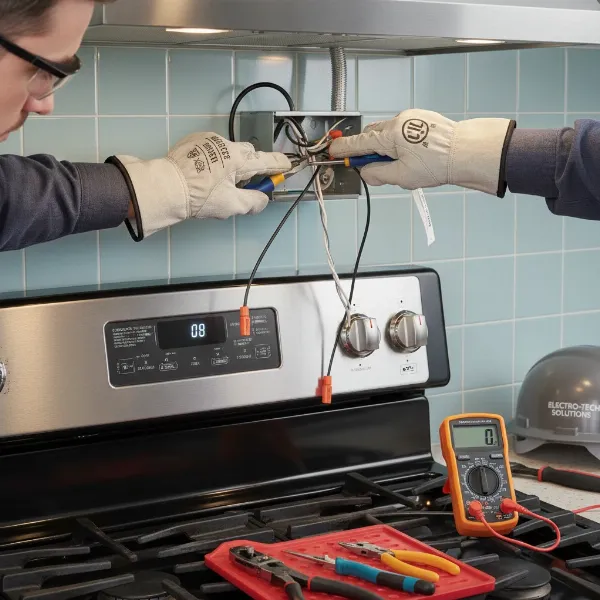 A professional electrician safely installing a hardwired range hood, demonstrating proper wiring techniques.
Conclusion
The decision between a hardwired and plug-in range hood is a foundational step in creating a safe, functional, and aesthetically pleasing kitchen. While plug-in models offer ease of installation and flexibility, hardwired options provide a permanent, cleaner aesthetic and often support more powerful ventilation systems. Your choice should hinge on your kitchen’s existing electrical infrastructure, your comfort with DIY tasks, your budget, and your desired design outcome. Always prioritize safety and adherence to electrical codes, consulting a licensed professional when in doubt. By carefully considering these factors, you can ensure your range hood not only performs optimally but also contributes positively to your home’s overall environment. Which connection type best aligns with your vision for the perfect kitchen?
Frequently Asked Questions
Can a range hood be converted from hardwired to plug-in, or vice versa?
Yes, it is generally acceptable to convert a hardwired range hood to a plug-in connection or a plug-in to hardwired. For plug-in conversion, the power cord must be a grounded, three-prong type and no longer than 4 feet (1.2m) according to NEC guidelines. Always ensure the circuit can handle the hood’s amperage, and consult an electrician if unsure.
Do range hoods require a dedicated circuit?
Most range hoods, whether hardwired or plug-in, typically require an individual branch circuit. This is a safety measure to prevent overloading and ensure consistent power, especially for more powerful units. They should not be connected to small-appliance kitchen receptacle circuits.
How can I tell if my range hood is hardwired or plug-in?
To determine if your range hood is hardwired or plug-in, look inside the cabinet above the range hood or directly at the hood’s electrical entry point. If you see a standard three-pronged plug connected to an outlet, it’s a plug-in model. If the electrical wiring goes directly into the hood or a junction box without a plug, it is hardwired.
What are the main benefits of hardwiring a range hood?
The primary benefits of hardwiring a range hood include a sleek, seamless aesthetic without visible cords, a permanent and secure electrical connection that reduces the risk of accidental disconnection, and compliance with certain local building codes that may require it for specific models or installations.
What is the maximum cord length for a plug-in range hood?
According to the National Electrical Code (NEC), if you are using a cord-and-plug connection for your Range Hood, the flexible cord must be no less than 18 inches (450 mm) and no more than 4 feet (1.2 meters) long. It must also have a grounding-type attachment plug.