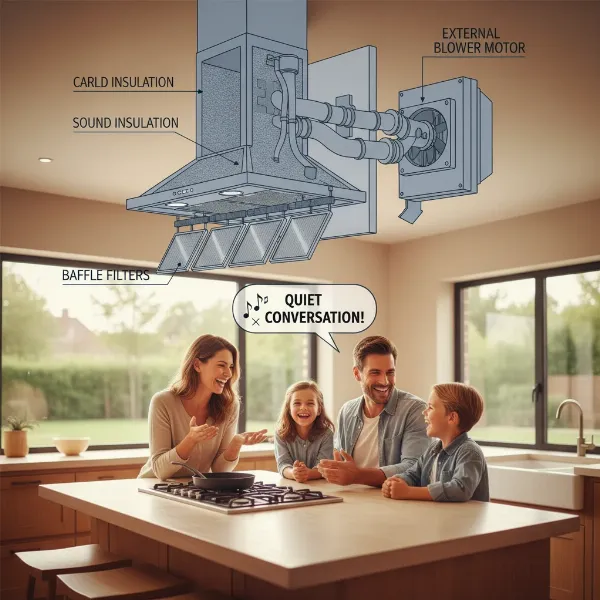
Few things enhance a kitchen’s functionality and comfort quite like a powerful range hood, diligently whisking away smoke, steam, and cooking odors. But even the best range hoods can’t perform optimally if their crucial components are neglected. If your kitchen features a ductless or convertible range hood, then its charcoal filter plays a starring role in maintaining fresh, clean air. Yet, many homeowners are unsure about this unsung hero’s lifespan and, more importantly, when to replace it.
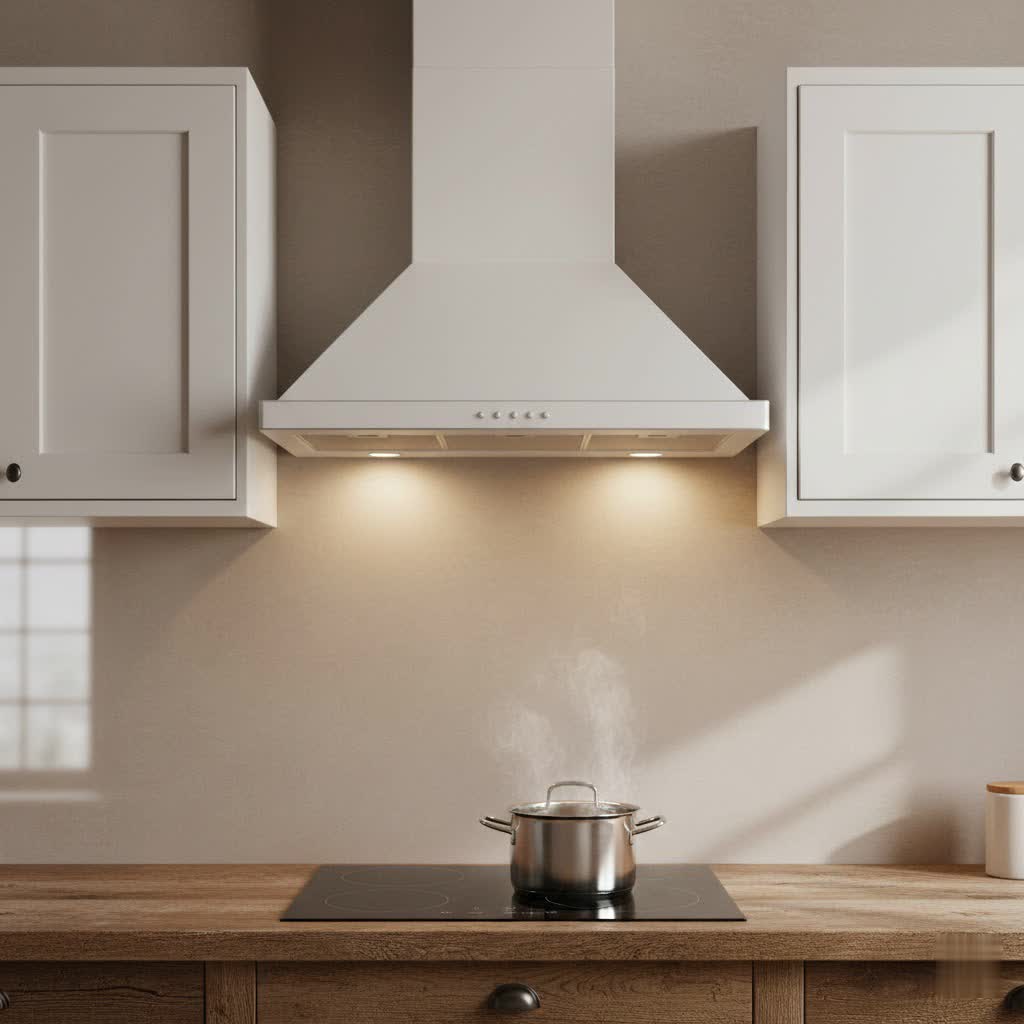
Understanding the lifespan of your range hood’s charcoal filter and recognizing the signs that it needs changing is essential for a healthy and odor-free kitchen. A well-maintained filter not only keeps your home smelling fresh but also protects your appliance and ensures efficient operation. Let’s delve into how these vital filters work, what influences their longevity, and the clear indicators that it’s time for a replacement.
Understanding Charcoal Filters in Your Range Hood
Charcoal filters, often referred to as activated carbon filters, are specialized filters designed to trap microscopic particles and absorb odors. Unlike mesh or baffle filters that primarily capture grease, charcoal filters tackle the invisible culprits: cooking fumes, smoke particles, and strong smells like garlic, onion, or fried foods. This is particularly crucial for ductless range hoods, which recirculate air back into the kitchen after filtration, rather than venting it outside.
The magic lies in the activated carbon’s porous structure. Each granule of carbon is riddled with tiny pores, creating an enormous surface area. As odorous air passes through, these pores chemically bind with the odor molecules through a process called adsorption, effectively trapping them within the filter. This process prevents unpleasant smells from lingering in your home, protecting walls, curtains, and upholstery from absorbing these persistent aromas.
Average Lifespan of a Range Hood Charcoal Filter
The typical lifespan of a charcoal filter in a range hood varies significantly, but generally falls within a range of 3 to 12 months. For most households with moderate cooking habits, a replacement every 3 to 6 months is a good rule of thumb. However, some manufacturers might suggest annual replacement, especially for higher-quality or larger filters. This broad range exists because several factors critically influence how quickly a filter becomes saturated and loses its effectiveness.
It is important to remember that this isn’t a fixed expiration date but rather an estimated operational period. Heavy use or specific cooking styles can drastically shorten this timeframe, while infrequent cooking might allow a filter to last closer to the upper end of the spectrum. Always check your range hood’s user manual for the manufacturer’s specific recommendations, as these guidelines are tailored to your particular model and filter type.
Key Factors Influencing Filter Lifespan
The longevity of your charcoal filter isn’t just a matter of time; it’s a direct reflection of how hard it works and the environment it operates in. Understanding these influencing factors can help you anticipate when a replacement might be needed.
Usage Frequency and Intensity
Table is empty.The more you cook, and the more often you use your range hood, the faster its charcoal filter will become saturated. A family that cooks elaborate meals daily will need to replace their filter far more frequently than someone who uses their kitchen only for light snacks. Continuous, high-volume filtration naturally consumes the filter’s adsorptive capacity at an accelerated rate.
Cooking Habits
What you cook also plays a significant role. Frying, grilling, or preparing dishes with strong, pungent ingredients (like curries, fish, or stir-fries) produce more airborne grease and odor molecules. These heavy-duty cooking sessions force the charcoal filter to work overtime, diminishing its effectiveness more rapidly compared to boiling water or making toast.
Filter Quality and Type
Not all charcoal filters are created equal. High-quality filters often contain a greater density of activated carbon and a more effective granule structure, allowing them to absorb more contaminants and odors before needing replacement. Cheaper, lower-grade filters might offer an initial cost saving but often require more frequent changes. The physical design and thickness of the filter also contribute to its overall capacity and longevity.
Kitchen Ventilation System (Ducted vs. Ductless)
The design of your range hood’s ventilation system heavily impacts filter life. Ductless range hoods rely solely on charcoal filters to clean and recirculate air back into the kitchen. This means the charcoal filter is constantly working to remove odors. In convertible or ducted systems that use charcoal filters for additional odor removal, the filter might last longer if much of the air is being vented outside, reducing the load on the carbon.
Manufacturer’s Recommendations
Always consult your range hood’s user manual for specific filter replacement guidelines. Manufacturers typically provide a recommended replacement schedule based on the design and intended use of their filters. While general advice is helpful, these specific instructions offer the most accurate guidance for your appliance. Following them ensures your warranty remains valid and your range hood performs as expected.
Clear Signs It’s Time for a Replacement
Your range hood’s charcoal filter usually gives clear signals when its adsorptive capacity is exhausted. Paying attention to these indicators can save you from a lingering smelly kitchen and ensure consistent air quality.
Lingering Odors
The most obvious sign that your charcoal filter is spent is the persistent presence of cooking odors long after you’ve finished preparing a meal. If you notice smells from last night’s dinner still hanging in the air the next morning, your filter is likely no longer effectively trapping odor molecules. This is the primary function of the charcoal filter, so its failure to perform this duty is a definitive sign.
Reduced Airflow
While primarily an indicator of a clogged grease filter, significantly reduced airflow from your range hood can also point to a charcoal filter that is heavily saturated with particles. As the carbon within the filter gets packed with absorbed contaminants, it can create a blockage, making the fan work harder and reducing the volume of air it can move.
Visible Contamination
Although charcoal filters are designed to capture invisible particles, some may show visible signs of contamination over time. If you can see a noticeable discoloration or buildup of greasy residue on the filter surface (beyond the initial grease filter), it’s a strong indicator that the carbon is saturated and its performance compromised. This visual cue suggests the filter is struggling to manage the workload.
Loss of Filter’s “Sweet Smell”
Some activated carbon filters have a subtle, clean, almost “sweet” smell when new, a characteristic of fresh carbon. If you notice this distinct scent is gone, or if the air exiting the hood simply smells stale rather than clean, it’s a subtle but reliable sign that the filter’s adsorptive powers have diminished. The carbon is no longer effectively binding with odor molecules.
Increased Noise from the Range Hood
If your range hood seems louder than usual, it could be a sign of the motor working harder to pull air through a clogged filter. Both a saturated charcoal filter and a blocked grease filter can increase the strain on the fan motor, leading to more noise. Addressing the filter issue promptly can prevent unnecessary wear and tear on your appliance’s vital components.
The Risks of Not Changing Your Filter
Neglecting to replace your range hood’s charcoal filter when needed carries several disadvantages that go beyond just a smelly kitchen. These risks can affect your home environment, your appliance’s longevity, and even safety.
Firstly, the most immediate consequence is ineffective odor removal. Without a functional charcoal filter, cooking odors, smoke, and steam are simply recirculated back into your kitchen, leading to stale air and unpleasant lingering smells that permeate fabrics, walls, and furniture. This degrades your indoor air quality and overall comfort.
Secondly, a saturated charcoal filter can contribute to grease buildup within your range hood and kitchen. While grease filters handle the bulk of this, a failing charcoal filter can allow finer grease particles to pass through. Over time, this buildup can accumulate on the fan motor and internal components, reducing the range hood’s efficiency and potentially becoming a fire hazard.
Lastly, a clogged filter puts strain on the range hood motor. The motor has to work harder to pull air through the restricted filter, leading to increased energy consumption and accelerating wear and tear. This can shorten the lifespan of your appliance and potentially lead to costly repairs down the line. Regular filter changes are a small investment that protects a larger one.
Can Charcoal Filters Be Cleaned or Recharged?
This is a common question, and the answer for most residential range hood charcoal filters is a definitive no. Activated carbon filters used in range hoods are designed for single-use and are generally not washable or rechargeable. The process of adsorption is a chemical binding, and once the carbon pores are filled with odor molecules, they cannot be effectively “emptied” through washing or common household methods.
Washing a charcoal filter will not restore its adsorptive properties; in fact, it can damage the filter material and render it completely ineffective. Furthermore, a wet filter can encourage mold or mildew growth within your range hood. Therefore, it is crucial to understand that when a charcoal filter is spent, the only solution is to replace it with a new one. Attempting to clean it is a wasted effort and can compromise your kitchen’s air quality.
Tips for Extending Your Filter’s Life (and When It’s Not Possible)
While charcoal filters are ultimately disposable, you can take steps to optimize their performance and potentially extend their useful life within reasonable limits. These tips focus on reducing the burden on the charcoal filter.
First and foremost, regularly clean your range hood’s grease filters (mesh or baffle filters). These are the first line of defense, capturing the majority of grease particles before they reach the charcoal filter. A clean grease filter ensures that the charcoal filter only has to deal with the finer particles and odors, rather than becoming prematurely clogged with grease. Most grease filters are washable in a dishwasher or by hand with hot, soapy water.
Additionally, use your range hood fan appropriately. Turn it on a few minutes before you start cooking and leave it running for 5-10 minutes after you finish. This helps to capture odors and particles more efficiently, reducing the overall concentration that the charcoal filter needs to handle. Using the correct fan speed for your cooking intensity also helps.
However, it’s vital to recognize that you cannot indefinitely extend a charcoal filter’s life. Once its adsorptive capacity is fully used, it simply stops working. While you can reduce the rate at which it saturates, you cannot reverse the process. Attempting to use a filter beyond its effective lifespan will only result in poor air quality and inefficient ventilation.
“A well-maintained charcoal filter is the silent guardian of your kitchen’s freshness. Ignoring its replacement schedule is like driving a car without an oil change – it will eventually lead to bigger problems and diminish performance.” – Admin, Reviewike.com, Kitchen Appliance Expert
Conclusion
The charcoal filter in your range hood is a small but mighty component, silently battling cooking odors and airborne particles to keep your kitchen air clean and fresh. Its lifespan, typically ranging from 3 to 12 months, is influenced by your cooking frequency, habits, and the quality of the filter itself. Recognizing the signs of a spent filter—such as lingering odors, reduced airflow, or visible contamination—is crucial for maintaining optimal performance.
Unlike grease filters, charcoal filters are not washable and must be replaced once they reach their capacity. By regularly checking your filter and adhering to manufacturer guidelines, you not only ensure effective odor removal but also protect your range hood’s motor and prolong its overall lifespan. Don’t underestimate the power of a fresh charcoal filter in creating a more pleasant and healthy cooking environment.
When was the last time you checked your range hood’s charcoal filter?
Frequently Asked Questions
What exactly does a charcoal filter do in a range hood?
A charcoal filter, or activated carbon filter, works by adsorption, chemically binding and trapping odor molecules, smoke, and microscopic particles from cooking fumes. It’s especially vital in ductless range hoods that recirculate air back into the kitchen, ensuring that unpleasant smells are removed before the air is released.
How often should I change my range hood charcoal filter?
For most households with moderate cooking, charcoal filters should be replaced every 3 to 6 months. Heavy cooks or those preparing strong-smelling foods might need to change them more frequently, perhaps every 1 to 3 months. Always consult your range hood’s manual for specific manufacturer recommendations.
Can I wash or clean a charcoal filter to reuse it?
No, residential range hood charcoal filters are generally not washable or reusable. Washing them will not restore their adsorptive properties and can damage the filter material, rendering it ineffective. Once a charcoal filter is saturated, it must be replaced.
What happens if I don’t replace my charcoal filter?
If you don’t replace a spent charcoal filter, your range hood will fail to remove cooking odors effectively, leading to stale air and lingering smells in your kitchen. It can also lead to increased grease buildup within the hood and strain the fan motor, reducing the appliance’s efficiency and lifespan.
How can I tell if my charcoal filter needs changing?
Key signs include lingering cooking odors even after the range hood has been running, noticeably reduced airflow, visible grime or discoloration on the filter (beyond the grease filter), or an increase in the noise level of your range hood fan as it struggles to pull air.
Are all charcoal filters for range hoods the same?
No, charcoal filters vary in quality, size, and design. Higher-quality filters often contain more activated carbon and a more efficient structure, offering better performance and potentially longer lifespans. Always ensure you purchase the correct filter type and size for your specific Range Hood model.
Can a charcoal filter help with general air purification in the kitchen?
While primarily designed for cooking odors, a charcoal filter can contribute to overall kitchen air quality by trapping other volatile organic compounds (VOCs) and airborne irritants produced during cooking or from household chemicals. However, it’s not a substitute for a dedicated air purifier for general room air quality.