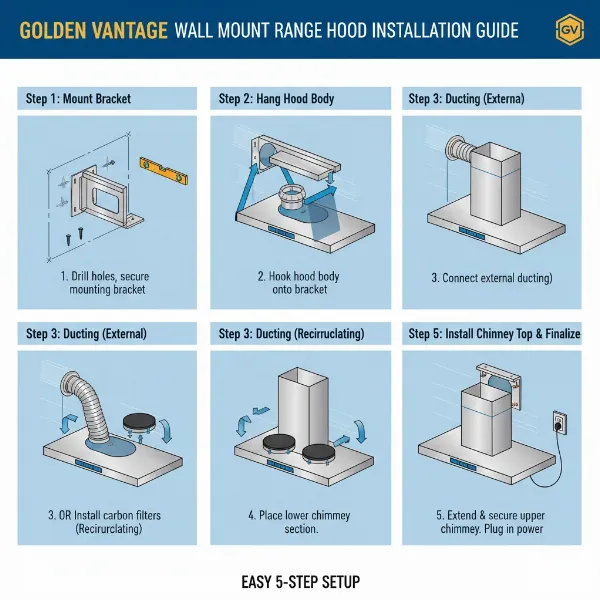
The modern kitchen is often a hub of activity, a place where culinary creations come to life. With this activity comes smoke, steam, grease, and odors, making effective ventilation a crucial element for a healthy and enjoyable cooking environment. Many homeowners, especially those with smaller kitchens, turn to over-the-range (OTR) microwaves as a space-saving solution, hoping they can pull double duty as both a microwave and a ventilation system. But can an OTR microwave truly replace a dedicated range hood? Let’s delve into the capabilities and limitations of these versatile appliances.
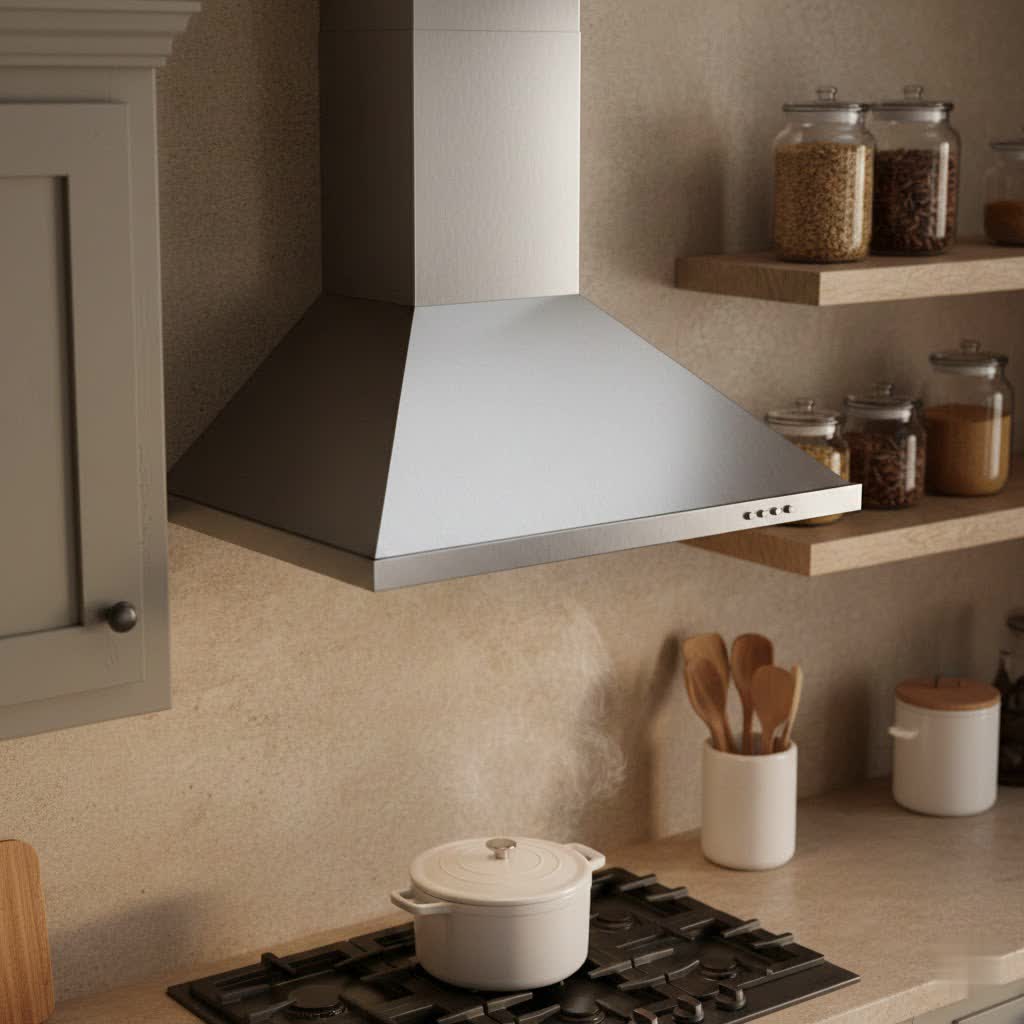
Understanding Over-the-Range Microwaves
Over-the-range microwaves are designed to be installed directly above your cooktop, combining the convenience of microwave cooking with a built-in exhaust fan. This dual-functionality is particularly appealing in kitchens where counter space is at a premium, as it frees up valuable real estate that a standalone microwave or a traditional range hood might otherwise occupy. These units typically feature internal fans and filters, and they can be configured in one of two ways: recirculating or ducted.
Recirculating OTR microwaves draw air from the cooking surface, filter it through charcoal filters to remove some odors and grease, and then release the filtered air back into the kitchen. This method is generally easier to install as it doesn’t require external ductwork, making it a common choice for apartments or kitchens where ducting isn’t feasible. Ducted OTR microwaves, on the other hand, connect to an external duct system that vents cooking byproducts directly outside your home. While more complex to install, ducted systems offer a significantly more effective solution for removing smoke, steam, and odors permanently.
Microwave Ventilation vs. Dedicated Range Hoods: A Performance Showdown
When it comes to kitchen ventilation, there’s a significant difference between the performance of an OTR microwave and a dedicated range hood. This disparity is primarily due to differences in design, airflow power, and capture efficiency.
Airflow Power (CFM)
Table is empty.Airflow power, measured in Cubic Feet per Minute (CFM), is a critical indicator of a ventilation system’s ability to move air. OTR microwaves typically offer CFM ratings between 150 and 400. In contrast, dedicated range hoods often start at 300 CFM and can exceed 1,000 CFM, providing substantially stronger air movement. This difference in CFM means that dedicated range hoods are far more capable of handling intense cooking environments, efficiently pulling out smoke, airborne grease, and steam before they spread throughout your home.
Capture Efficiency
Dedicated range hoods are designed with a wider and deeper capture area, allowing them to effectively cover the entire cooktop, including all burners. This comprehensive coverage ensures that fumes and particles rising from any cooking zone are efficiently drawn into the ventilation system. OTR microwaves, due to their primary function as a microwave oven, often have a more constrained capture area. Their shallower depth and position can make them less effective at capturing smoke and steam, especially from the front burners, leading to a compromise in overall ventilation.
Recirculation vs. External Venting
The distinction between recirculating and externally vented systems is crucial. Many OTR microwaves, for ease of installation, are set up for recirculation. While charcoal filters can help reduce some odors, recirculating units are generally less effective at removing moisture, grease, and all cooking pollutants. They essentially filter the air and push it back into the room, rather than removing it entirely. Ducted OTR microwaves do vent air outside, which is superior, but even these models often cannot match the robust performance of a dedicated ducted range hood specifically designed for optimal extraction.
The Pros and Cons of Over-the-Range Microwaves
Understanding the trade-offs is essential when deciding if an OTR microwave is the right choice for your kitchen.
Pros
The primary advantages of over-the-range microwaves revolve around convenience and space utilization:
- Space-Saving: Combining two essential appliances into one unit frees up valuable counter space, which is a major benefit in smaller kitchens.
- Integrated Lighting: Most OTR microwaves include task lighting for your cooktop, providing illumination right where you need it.
- Convenience: Having a microwave directly above your stove can be convenient for quick reheating while cooking.
- Aesthetics: For some, the streamlined look of a microwave integrated into the cabinetry above the range offers a clean aesthetic.
Cons
Despite their convenience, OTR microwaves come with several significant drawbacks, especially concerning ventilation:
- Weaker Ventilation: As discussed, their lower CFM and limited capture area mean they struggle to effectively remove smoke, grease, and strong odors, leading to poor indoor air quality.
- Health and Comfort Issues: Ineffective ventilation can lead to lingering smells, increased humidity, and a buildup of airborne pollutants, potentially irritating eyes, nose, and throat, and even exacerbating respiratory conditions like asthma. It can also frequently set off smoke alarms during everyday cooking.
- Noise Levels: The fans in OTR microwaves can often be quite loud, particularly when operating at higher speeds, making kitchen conversations difficult.
- Limited Grease Removal: Recirculating models are not highly effective at removing grease, which can lead to greasy residue accumulating on kitchen surfaces and inside the microwave itself, making cleaning a challenge.
- Safety Concerns: Reaching over a hot stove to access the microwave can be a safety hazard, especially for shorter individuals. Furthermore, insufficient clearance above a gas stove with an underperforming vent can increase the risk of fire.
- Maintenance: Filters in OTR microwaves require regular cleaning or replacement, and grease buildup can quickly reduce their already limited effectiveness.
“While over-the-range microwaves offer convenience and save space, their ventilation power is generally lower than that of a dedicated range hood. They are best suited for light cooking rather than daily use involving high heat or heavy grease.” – Ainsley Dunbar, Kitchen Appliance Specialist
When an OTR Microwave Might Be Sufficient
There are specific scenarios where an OTR microwave’s ventilation might meet your needs:
- Light, Infrequent Cooking: If your cooking habits primarily involve reheating meals, boiling water, or preparing simple dishes with minimal smoke or grease, an OTR microwave with a fan might suffice.
- Small Kitchens with Limited Space: In compact living areas where every inch matters and installing a separate range hood and microwave isn’t feasible, an OTR unit offers a practical compromise.
- Budget Constraints: OTR microwaves can sometimes be a more budget-friendly option than purchasing and installing two separate appliances.
- Ducted Models for Basic Use: If you can install a ducted OTR microwave and your cooking is light to moderate, it will perform better than a recirculating one.
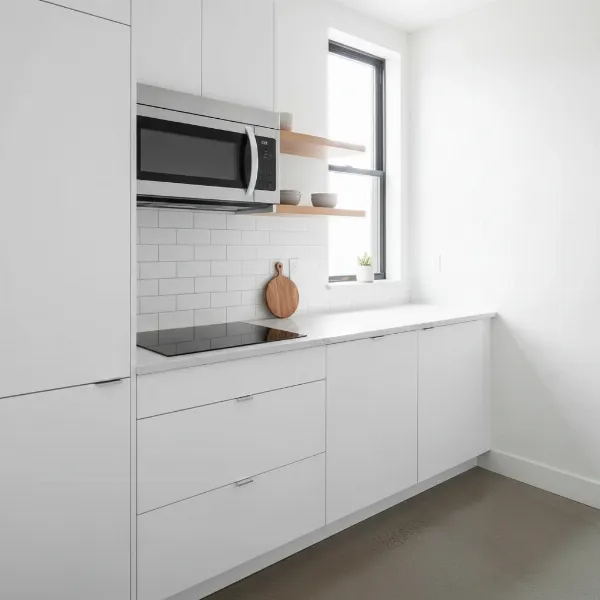 Compact kitchen with over-the-range microwave for space saving
Why a Dedicated Range Hood Excels
For those who cook regularly, especially with high heat, oil, or pungent ingredients, a dedicated range hood is undeniably the superior choice.
Superior Suction and Coverage
Dedicated range hoods are engineered for one purpose: effective ventilation. They boast powerful motors and designs that create a strong suction, ensuring that smoke, steam, and odors are efficiently captured and removed. Their broader and deeper designs ensure comprehensive coverage over your entire cooking surface, preventing pollutants from escaping into your living space.
Better Air Quality
By efficiently extracting cooking byproducts and venting them outside (in ducted models), range hoods significantly improve indoor air quality. This helps to protect your health by reducing exposure to harmful pollutants, moisture, and allergens generated during cooking, fostering a cleaner and fresher kitchen environment.
Variety of Styles for Different Kitchen Designs
Dedicated range hoods come in a vast array of styles, materials, and sizes, allowing you to choose an appliance that not only performs optimally but also complements your kitchen’s aesthetic. From sleek wall-mounted models and discreet under-cabinet units to striking island hoods and innovative downdraft systems, there’s a range hood to suit every design preference and kitchen layout.
Enhanced Safety, Especially for Gas Cooktops
For kitchens with gas stoves, robust ventilation is paramount. Gas burners produce more heat, moisture, and combustion byproducts like nitrogen dioxide and carbon monoxide. A dedicated range hood, especially one with a higher CFM rating (400-600 CFM for heavy gas cooking), ensures these potentially harmful elements are effectively removed, enhancing safety and maintaining a healthy environment.
Key Factors to Consider When Choosing
Making the right choice between an OTR microwave and a dedicated range hood depends on a few critical considerations unique to your home and lifestyle.
Cooking Habits
Your cooking frequency and style are perhaps the most important factors. If you frequently fry, sear, grill, or prepare meals that generate a lot of smoke, grease, and strong odors, a dedicated range hood is essential. For light, occasional reheating or simple cooking, an OTR microwave might suffice.
Kitchen Size and Layout
In very small kitchens where every inch of space is vital, an OTR microwave’s space-saving design can be a significant advantage. However, if you have the space, separating your microwave and ventilation allows for optimal performance from both appliances. Consider how each option impacts cabinet space, visual appeal, and workflow.
Stove Type (Electric vs. Gas)
Gas cooktops typically require more powerful ventilation than electric ones due to the additional heat, moisture, and combustion gases they produce. If you have a gas stove, prioritizing a dedicated range hood with appropriate CFM is highly recommended for safety and air quality.
Ventilation Type (Ducted vs. Ductless)
Always opt for a ducted system if possible, whether it’s an OTR microwave or a dedicated range hood. Ducted systems vent air outside, providing superior pollutant removal. If external venting isn’t an option, a ductless (recirculating) system is your only choice, but understand its limitations.
Budget
While OTR microwaves can be a cheaper upfront solution, consider the long-term costs of maintenance (filters) and the potential health impacts of poor air quality. Investing in a quality dedicated range hood might cost more initially but offers superior performance and durability.
Conclusion
While an over-the-range microwave offers a convenient, space-saving solution by combining two appliances, it generally cannot match the robust ventilation performance of a dedicated range hood. OTR microwaves provide basic ventilation, suitable for light cooking and small kitchens where maximizing space is the top priority. However, for those who cook frequently, use high-heat methods, or have a gas stove, a specialized range hood is a critical investment for maintaining optimal air quality, reducing grease buildup, and ensuring a healthy, comfortable kitchen environment. Ultimately, your choice should align with your specific cooking habits, kitchen layout, and priorities for cleanliness and indoor air quality. What kind of cook are you, and what ventilation system truly supports your culinary adventures?
Frequently Asked Questions
How much CFM do I need for an over-the-range microwave vent?
Most OTR microwaves offer between 150-400 CFM. For light cooking, 150-300 CFM might be adequate. However, for heavier cooking, especially with a gas stove, a dedicated range hood with 400-600 CFM or higher is recommended for effective smoke, grease, and odor removal.
Are recirculating microwave vents effective?
Recirculating microwave vents, which filter air and return it to the kitchen, are less effective than ducted systems that vent outside. While they can help with some odors via charcoal filters, they do not remove moisture, heat, or all airborne pollutants as efficiently as externally vented systems.
Can an OTR microwave safely replace a range hood above a gas stove?
While some OTR microwaves can be installed above a gas stove, they typically offer insufficient ventilation for the heat, moisture, and combustion byproducts generated by gas burners. For safety and optimal air quality, a dedicated range hood with a higher CFM rating is strongly recommended for gas cooktops.
What are the best alternatives to an over-the-range microwave for small kitchens?
Alternatives include pairing a countertop microwave with a dedicated, space-efficient under-cabinet Range Hood, installing a microwave drawer, or opting for a built-in wall microwave. These options allow for superior ventilation while still managing space effectively in a smaller kitchen.