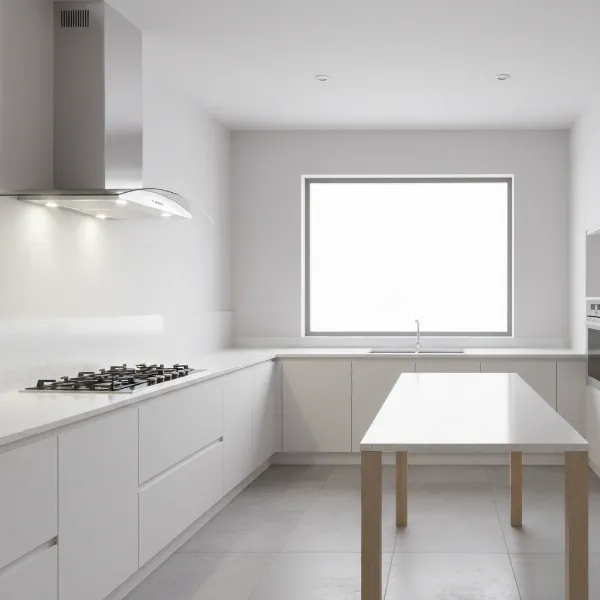
Firing up a high-BTU gas stove can unleash a culinary symphony, but it often brings an unwelcome guest: a barrage of smoke, grease, and potent odors. Beyond the visible plumes, gas cooking generates an array of invisible byproducts—carbon monoxide, nitrogen dioxide, and volatile organic compounds—that can significantly diminish your indoor air quality and, over time, impact your health and kitchen cleanliness. Selecting the right range hood isn’t merely about aesthetics; it’s a critical decision for creating a healthier, more enjoyable cooking environment. This comprehensive guide will navigate you through the essential considerations for choosing a high-performance range hood that perfectly complements your powerful gas stove.
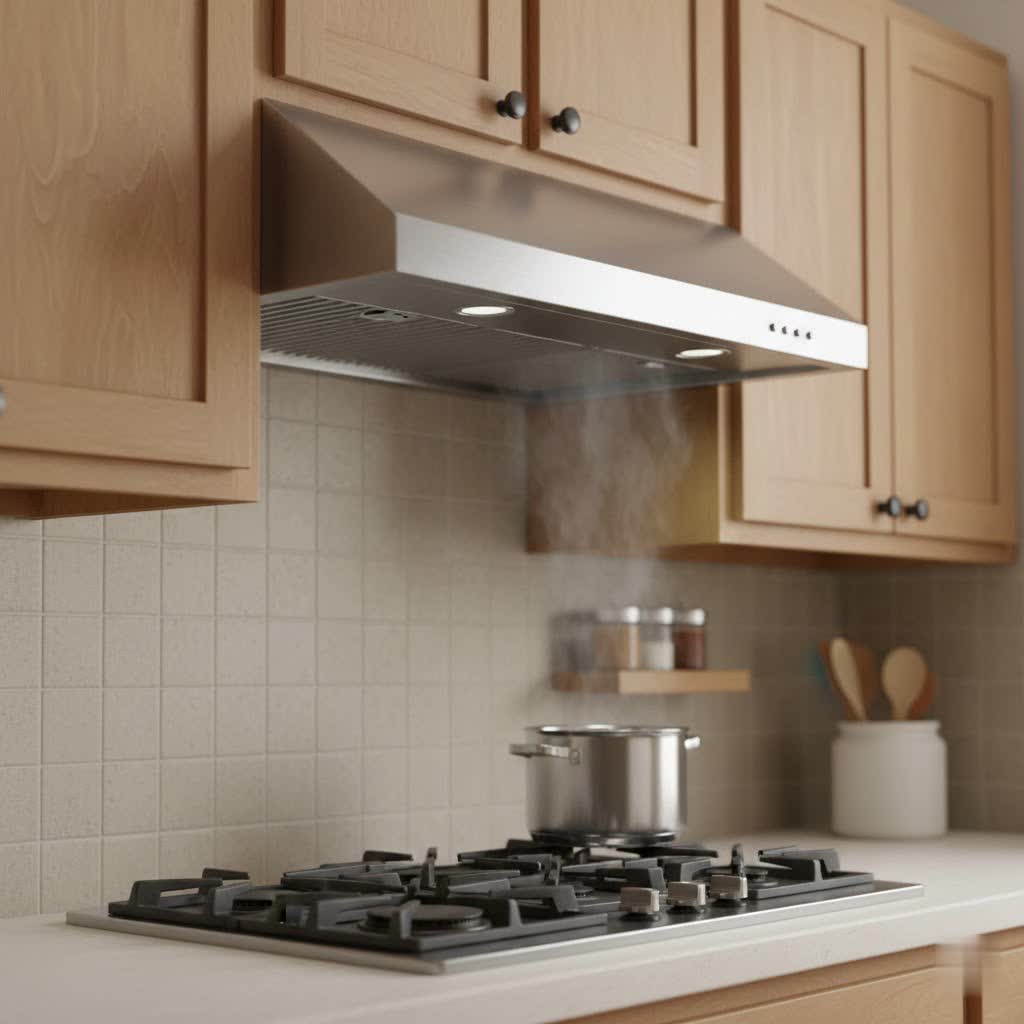
Why High BTU Gas Stoves Demand Superior Ventilation
Gas stoves are lauded by home cooks for their instant heat and precise temperature control, making them ideal for high-temperature cooking techniques like searing, stir-frying, and deep-frying. However, this power comes with unique ventilation challenges that electric or induction cooktops simply don’t present. The combustion process of natural gas releases not only heat and moisture but also a cocktail of airborne pollutants directly into your kitchen.
These byproducts include carbon monoxide (CO), nitrogen dioxide (NO₂), formaldehyde, various volatile organic compounds (VOCs), and fine particulate matter. Without robust ventilation, these harmful substances can accumulate rapidly, leading to poor indoor air quality, lingering cooking odors, and a sticky, oily film on your cabinets and walls. A powerful range hood is your primary defense, effectively capturing and removing these irritants before they spread, safeguarding both your investment in your kitchen and your family’s health.
Types of Range Hoods for Gas Stoves
Choosing the right type of range hood is the first step toward effective ventilation. Each style offers distinct advantages depending on your kitchen’s layout, aesthetic preferences, and cooking habits.
- Under-Cabinet Range Hoods: These hoods are installed directly beneath kitchen cabinets above the stove, offering a streamlined look. They are excellent space-savers and often integrate seamlessly into existing cabinetry. Many under-cabinet models for high BTU gas stoves boast impressive CFM ratings, making them a popular choice for efficient ventilation without a bulky appearance.
- Wall-Mount Range Hoods: Designed for stoves situated against a wall, these hoods are often statement pieces, extending from the wall to the ceiling. They offer robust ventilation and can handle high CFM requirements with ease, making them ideal for professional-grade gas ranges. Their exposed design allows for more powerful motors and larger capture areas.
- Island Range Hoods: If your gas cooktop is located on a kitchen island, an island range hood is essential. These hoods are suspended from the ceiling and are designed to capture smoke and odors from all sides. They require sturdy ceiling support and often feature powerful blowers to counteract the lack of surrounding walls for containment.
- Insert/Liner Range Hoods: For a truly custom and integrated look, insert hoods are designed to be built into custom cabinetry or a decorative hood enclosure. They offer powerful ventilation while keeping the mechanical components hidden, providing a clean, minimalist aesthetic that can still meet the demands of a high BTU gas stove.
When considering types, the critical distinction for gas stoves is between ducted and ductless systems. Ducted range hoods, which vent air outside your home, are overwhelmingly recommended for gas cooking. They physically remove smoke, steam, and combustion gases, ensuring superior air quality. While ductless hoods (which filter and recirculate air) can be an option for apartments or spaces without external venting, they are less effective at removing heat and moisture and do not eliminate combustion byproducts, making them a less ideal choice for high BTU gas stoves.
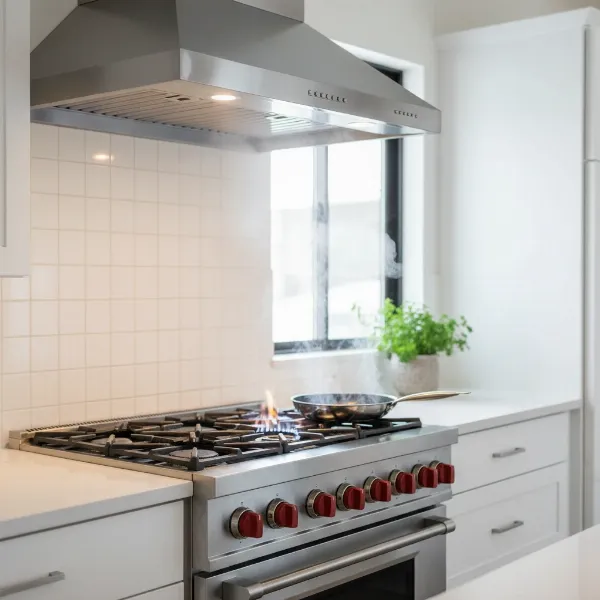 Sleek stainless steel wall-mount range hood above a modern gas stove, demonstrating effective kitchen ventilation for high BTU cooking
Key Factors When Choosing a Range Hood for High BTU Gas Stoves
Selecting the perfect range hood involves a careful balance of power, performance, and practical considerations tailored to the intensity of gas cooking.
CFM Rating (Cubic Feet per Minute)
Table is empty.The CFM rating is paramount for a high BTU gas stove, indicating how much air the hood can move per minute. Gas stoves produce more heat and pollutants, demanding higher CFM. A widely accepted guideline is to aim for at least 100 CFM for every 10,000 BTUs of your stove’s total output. For instance, a 60,000 BTU gas range (common for professional-style cooktops) would ideally require a 600 CFM range hood or higher. If you frequently engage in heavy-duty cooking—like searing, wok cooking, or deep-frying—a hood with 800 CFM, 900 CFM, or even higher may be necessary to ensure effective smoke and odor capture. Keep in mind that high CFM hoods often require larger ducting to maintain optimal efficiency and may necessitate a make-up air system in some regions to prevent negative air pressure.
Noise Level (Sones)
A powerful range hood doesn’t have to sound like a jet engine. Noise levels are measured in “sones,” with lower numbers indicating quieter operation. For reference, one sone is roughly equivalent to the sound of a refrigerator. While higher CFM generally correlates with increased noise, many advanced models are engineered for quieter performance, especially at lower fan speeds. Look for models with a sone rating of 3 or less at their normal operating speed. Multi-speed fans are beneficial, allowing you to run the hood quietly for light tasks and ramp up power only when heavy ventilation is needed. Ducted hoods tend to be quieter than ductless models because they don’t have to push air through dense charcoal filters before recirculation.
Size and Coverage
Proper sizing ensures that your range hood can effectively capture all cooking effluents. The hood should be at least as wide as your gas stove. For optimal capture, especially with high BTU burners, it is often recommended to choose a hood that is 3 to 6 inches wider than your cooktop, extending over the entire cooking surface. In terms of depth, the hood should cover at least the front half of your front burners, with full coverage being ideal for avid cooks. Installation height is also crucial; typically, a range hood should be installed 24 to 36 inches above a gas cooktop to balance safety (clearance from open flames) with efficient capture. Always consult the manufacturer’s specific recommendations.
Material and Design
Durability and ease of cleaning are key for range hoods paired with high BTU gas stoves, which generate more grease and residue.
- Stainless Steel (304 grade): This is a popular choice due to its excellent corrosion resistance, high tolerance to heat, and long-term durability, even with frequent cleaning. Many premium hoods utilize 304-grade stainless steel for its robust properties.
- Baffle Filters: These metal filters are highly effective at trapping grease, preventing it from entering the ductwork or motor. They are durable, typically dishwasher-safe, and easier to clean than mesh filters.
- Design: Beyond functionality, the hood’s design should complement your kitchen’s aesthetic. Options range from sleek, minimalist under-cabinet models to bold, professional-grade wall-mount or island hoods. Consider finishes like brushed stainless steel, matte black, or even glass canopies to match your decor.
Special Features
Modern range hoods offer a range of features that enhance convenience and performance:
- LED Lighting: Energy-efficient and long-lasting, providing excellent illumination of your cooking surface.
- Multi-Speed Fans: Allow you to adjust ventilation power based on your cooking needs.
- Touch Controls and Remote Operation: Offer ease of use and a modern aesthetic.
- Auto-Adjust Speed Control: Some advanced models, like certain ROBAM hoods, feature sensors that detect changes in air resistance (from grease buildup or intense smoke) and automatically adjust suction power in real-time for consistent performance.
- Delayed Shut-Off: Allows the hood to continue running for a set period after cooking to clear lingering odors.
- Filter Cleaning Reminders: Help ensure consistent maintenance.
Budget
Range hood prices vary significantly based on CFM, features, materials, and brand. View a range hood for a high BTU gas stove as an investment in your kitchen’s air quality, cleanliness, and the longevity of your home. While budget-friendly options exist, investing in a higher-quality, higher-CFM ducted hood will provide superior performance and greater long-term satisfaction for serious gas stove users.
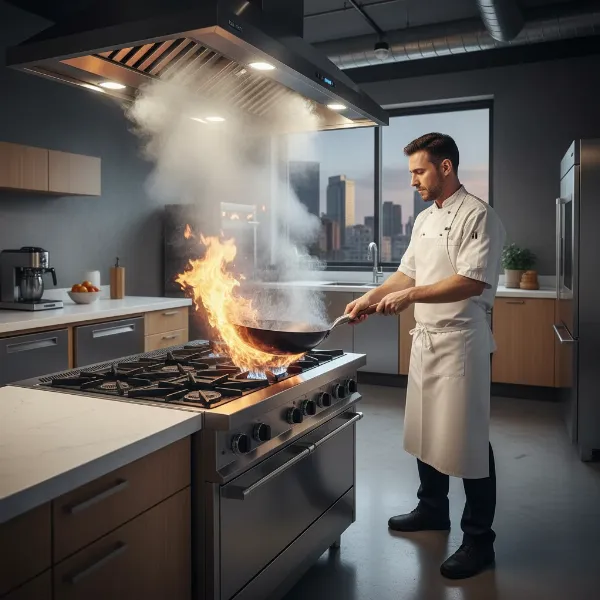 A chef preparing a meal on a gas stove with a high-performance range hood actively pulling steam and smoke upwards
Top Range Hoods Recommended for High BTU Gas Stoves
For those with powerful gas ranges, certain models stand out for their ability to handle intense heat and significant cooking byproducts. Here are some top contenders that prioritize high CFM, effective grease capture, and durable construction.
- IKTCH 30-Inch Black Wall Mount Range Hood (900 CFM): This model offers top-tier performance with a sleek, modern black stainless steel finish. Its 900 CFM airflow capacity makes it exceptionally powerful for heavy-duty cooking, effectively clearing smoke and odors from large kitchens or frequent, intense culinary sessions. It often features quiet operation at lower speeds, touch controls, and baffle filters for easy cleaning.
- Hauslane Range Hood 36 Inch (900 CFM): Ideal for larger cooking surfaces, this under-cabinet hood combines powerful 900 CFM suction with a modern design. It’s built for avid home cooks who need high airflow to manage vigorous stir-frying, searing, or boiling. Despite its power, many Hauslane models are engineered to minimize noise at lower settings, providing a balance of performance and comfort.
- FIREGAS Under Cabinet Range Hood (600 CFM): A strong performer for serious home cooks, the FIREGAS offers a robust 600 CFM capacity. This is an excellent choice for tackling high-heat cooking and managing greasy odors efficiently. Its stainless steel construction and touch control panel provide both durability and modern convenience, with easy-to-clean grease filters.
- SNDOAS 36 Inch Range Hood (700 CFM): This model is designed for larger kitchens and frequent, heavy cooking. With 700 CFM, it provides substantial airflow to keep the kitchen air fresh, even during multi-course meal preparations. It features a sleek stainless steel finish and baffle filters for efficient grease removal, though some users note it can be noisy at its highest setting.
Here’s a comparison of these models to help you identify the best fit for your kitchen:
| Model | CFM | Noise Level (Sones) | Type | Width | Key Strengths |
|---|---|---|---|---|---|
| IKTCH 30″ Black Wall Mount | 900 | Varies (quiet at low) | Wall-Mount | 30″ | High power, sleek design, efficient smoke removal |
| Hauslane 36″ Under Cabinet | 900 | Varies (quiet at low) | Under-Cabinet | 36″ | Exceptional airflow, modern design, suited for large kitchens |
| FIREGAS Under Cabinet | 600 | Noticeable at high | Under-Cabinet | 30″ | High-powered, effective for heavy cooking, stylish |
| SNDOAS 36″ Range Hood | 700 | Quite noisy at high | Under-Cabinet | 36″ | Strong ventilation for large kitchens, baffle filters |
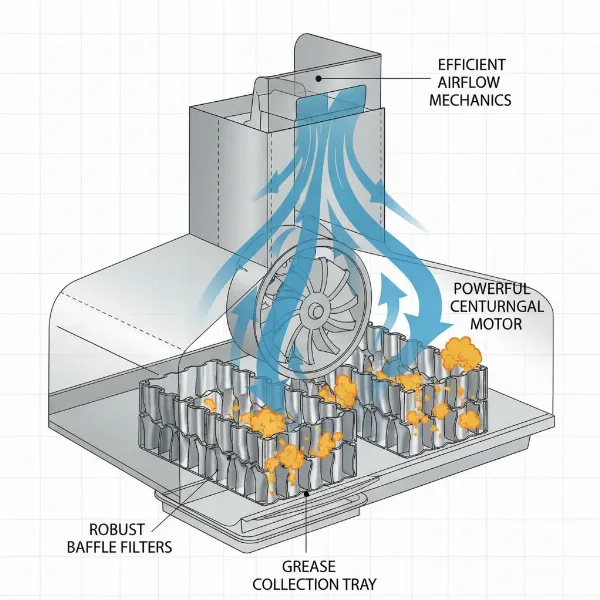 A detailed illustration of a range hood's internal components, showing baffle filters and a powerful motor, emphasizing efficient grease capture
Installation and Maintenance Tips for Optimal Performance
Even the most powerful range hood will underperform without proper installation and regular maintenance. For high BTU gas stoves, these aspects are particularly crucial.
Installation Guidelines
- Professional Installation is Recommended: Given the complexities of ducting, electrical connections, and potentially make-up air requirements, professional installation ensures optimal performance, safety, and adherence to local building codes.
- Ducting is Key: Always opt for a ducted system that vents outdoors. Use the shortest, straightest duct path possible with the fewest bends to maximize airflow efficiency. Avoid reducing duct diameter, as this severely restricts CFM.
- Mounting Height: While a general range of 24-36 inches above the cooktop is recommended, always follow the specific manufacturer guidelines for your model to ensure both safety and effective smoke capture.
- Make-Up Air Systems: For high-CFM hoods (typically above 400 CFM to 600 CFM, depending on local codes), a make-up air system may be required. This system introduces fresh outside air into your home to balance air pressure, preventing issues like back-drafting of combustion gases from other appliances.
Essential Maintenance Tips
Regular maintenance is vital for extending the life of your range hood and maintaining its efficiency, especially in the grease-heavy environment of a gas stove.
- Clean Filters Regularly: This is the most important step. Metal mesh and baffle filters should be cleaned monthly, or more frequently with heavy use. Most are dishwasher-safe or can be washed in hot, soapy water. If your hood is convertible or ductless and uses charcoal filters, these cannot be washed and must be replaced every 3-6 months, or as recommended by the manufacturer.
- Wipe Down Exterior Surfaces: Grease, steam, and dust can accumulate quickly. Use a soft cloth with a mild degreaser or a vinegar-water solution to clean stainless steel or other finishes, preventing corrosion and maintaining appearance.
- Inspect Ductwork Periodically: For ducted systems, check the visible sections of your ductwork every 6-12 months for any blockages or significant grease buildup, which can impede airflow.
- Check Fan and Motor: Listen for any unusual noises during operation. Light cleaning around the fan blades and motor housing (following manufacturer instructions) can help maintain efficiency.
- Annual Deep Clean: Once a year, perform a thorough cleaning of the entire hood, including accessible internal components, filters, and any removable parts. This comprehensive cleaning helps ensure consistent air quality and extends the appliance’s lifespan.
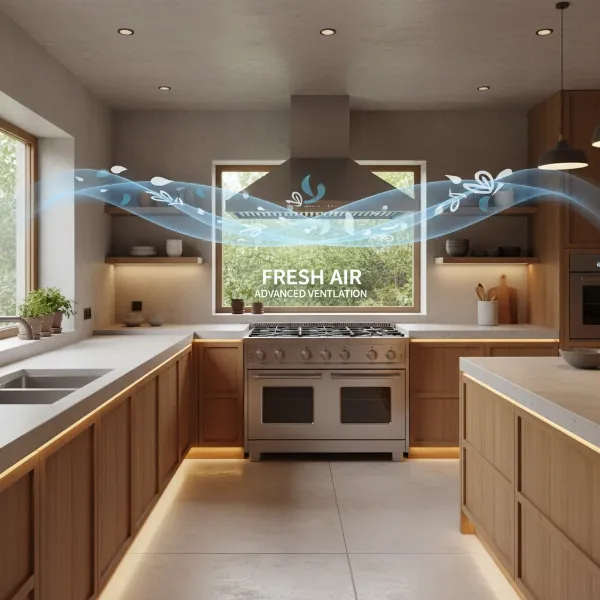 A serene kitchen scene with a subtle graphic overlay illustrating clean air circulating due to an effective range hood, emphasizing improved air quality
Conclusion
Choosing the best range hood for your high BTU gas stove is a pivotal decision that impacts not only the functionality and aesthetics of your kitchen but also the health and comfort of your home. The intense heat, moisture, and combustion byproducts generated by gas cooking necessitate a powerful ventilation system with a high CFM rating, ideally ducted to the outdoors for complete removal of pollutants.
Prioritize models with robust construction, easy-to-clean filters like baffle filters, and appropriate sizing for your cooktop. While features like quiet operation and smart controls enhance the user experience, never compromise on the core ventilation power. With careful consideration of CFM, noise levels, and proper installation and maintenance, you can transform your kitchen into a safer, cleaner, and more enjoyable space for all your culinary adventures.
What kind of delicious, high-heat meals will you create now that your kitchen is equipped for superior ventilation?
Frequently Asked Questions
What CFM rating do I really need for a gas stove with high BTUs?
For gas stoves, a good rule of thumb is to aim for at least 100 CFM for every 10,000 BTUs of your stove’s total heat output. If you frequently engage in heavy cooking like stir-frying or searing, consider models with 600 CFM to 900+ CFM to ensure efficient smoke and odor removal.
Is a ducted or ductless range hood better for a gas stove?
A ducted range hood is significantly better and strongly recommended for gas stoves. Ducted systems vent smoke, grease, heat, moisture, and harmful combustion byproducts (like carbon monoxide and nitrogen dioxide) directly outside your home, providing superior air quality and protection compared to less efficient ductless models that only recirculate filtered air.
How often should I clean my range hood filters?
For gas stove users, it is recommended to clean metal mesh or baffle filters monthly, or even more frequently if you cook heavily. Charcoal filters in ductless systems cannot be washed and typically need to be replaced every 3 to 6 months to maintain effectiveness. Regular cleaning ensures optimal performance and extends the life of your hood.
What is the ideal mounting height for a range hood above a gas cooktop?
Most manufacturers recommend installing a range hood between 24 and 36 inches above a gas cooktop. This range provides a balance between effective smoke and odor capture and safe clearance from open flames. Always consult your specific Range Hood and stove manuals for exact recommendations to ensure safety and optimal performance.