The modern kitchen is a hub of innovation, transforming everyday tasks into seamless experiences. Among the most impactful advancements is the evolution of the range hood, particularly models equipped with heat sensors and auto-on capabilities. These smart ventilation systems go beyond basic smoke and odor removal, offering unparalleled convenience, enhanced safety, and superior air quality. For home cooks who appreciate efficiency and peace of mind, understanding the features and benefits of these intelligent appliances is key to creating a truly contemporary culinary space.
How Heat Sensors and Auto-On Technology Work
At the core of these advanced range hoods is sophisticated sensing technology designed to react to your cooking environment. Heat sensors, often referred to as “heat sentry” features, detect rising temperatures above the cooktop. When the exhaust temperature reaches a predefined threshold, typically around 200°F (93°C), the range hood automatically springs to life. If the hood is already running at a lower speed, the sensor can intelligently ramp up the fan to a higher setting to tackle increased cooking intensity. This automated response ensures that smoke, steam, and odors are captured effectively before they can disperse throughout your home.
Beyond simple temperature detection, some cutting-edge range hoods leverage smart connectivity like Bluetooth or Wi-Fi to synchronize directly with compatible cooktops. This “Auto Connected Hood” feature allows the ventilation system to activate and adjust fan speed in real-time as soon as the cooktop is engaged, even adapting to the cooking intensity. Other systems might incorporate smoke or steam sensors, offering a broader approach to environmental monitoring. While some temperature-based activations might have a slight delay, the primary goal is to provide proactive ventilation, often serving as a crucial safety net if manual activation is forgotten.
Key Benefits of Auto-On Range Hoods with Heat Sensors
Integrating a range hood with heat sensors and auto-on functionality into your kitchen offers a multitude of advantages that enhance both your cooking experience and your home environment.
Enhanced Safety
|
Our Picks for the Best Range hood in 2026
As an Amazon Associate I earn from qualifying purchases.
|
||
| Num | Product | Action |
|---|---|---|
| 1 | Broan-NuTone BCSQ130SS Three-Speed Glacier Under-Cabinet Range Hood with LED Lights ADA Capable, 1.5 Sones, 375 Max Blower CFM, 30-Inch, Stainless Steel |

|
| 2 | IKTCH 30-inch Wall Mount Range Hood 900 CFM Ducted/Ductless Convertible, Kitchen Chimney Vent Stainless Steel with Gesture Sensing & Touch Control Switch Panel, 2 Pcs Adjustable Lights(IKP02-30'') |
|
| 3 | COMFEE' CVU30W4AST 30 inch Under Cabinet Ducted/Ductless Convertible Slim Vent Durable Stainless Steel Kitchen Reusable Filter, 3 Speed Exhaust Fan and 1 LED Lights Range Hood, 2.0 Version |
|
| 4 | COSMO COS-63175S 30 in. Vista Collection 380 CFM Ducted Wall Mount Range Hood, Touch Controls, LED Lights, Stainless Steel |
|
| 5 | VIKIO HOME Wall Mount Range Hood 30 inch, 580 CFM, Ducted/Ductless Convertible, Stainless Steel Kitchen Vent Hood with 3-Speed Fan and LED Lights |
|
| 6 | SNDOAS 30 inch Range Hood Ducted/Ductless Convertible Stainless Steel Range Hood Under Cabinet with Rocker Button Control,Vent Hood with LED Light,2 Speed Exhaust Fan,Under Cabinet Hood,Silver |
|
| 7 | Empava Wall Mount Range Hood 30 Inch, Ducted/Ductless Kitchen Exhaust Stove Vent with Modern Style, 400CFM, 3-Speed, Touch Control, Timer, LED Lights, Stainless Steel (Charcoal-Filter Sold Separately) |
|
| 8 | Broan-NuTone 413001 Non-Ducted Ductless Range Hood with Lights Exhaust Fan for Under Cabinet, 30-Inch, White |
|
| 9 | AMZCHEF Under Cabinet Range Hood 30 Inch, 750CFM Stainless Steel Kitchen Stove Vent Hood 3 Speed Exhaust Fan Touch/Remote/Gesture Control LED lights Time Setting Dishwasher-Safe Baffle Filters |
|
| 10 | COMFEE' CVU30W2AST Range Hood 30 Inch Ducted Ductless Vent Hood Durable Stainless Steel Kitchen Hood for Under Cabinet with 2 Reusable Filter, 200 CFM, 2 Speed Exhaust Fan Silver |
|
One of the most significant benefits is the added layer of safety. Should temperatures reach potentially unsafe levels, such as during an accidental flare-up or forgotten burner, the auto-on feature acts as a preventative measure, activating the fan to mitigate excessive heat and remove smoke. This can help prevent the buildup of heat and fumes, reducing the risk of triggering smoke alarms or, in extreme cases, more serious incidents. This proactive ventilation is a crucial safety mechanism, especially for busy households.
Unmatched Convenience
Imagine never having to remember to turn on your range hood. Auto-on models liberate you from this mundane task, allowing you to focus entirely on your culinary creations. The hands-free operation is particularly valuable when your hands are full or greasy. Furthermore, many smart range hoods also feature delayed shut-off functions, allowing the fan to continue running for a set period after cooking to clear any lingering odors before automatically powering down, saving energy and preventing you from leaving it on unintentionally.
Improved Air Quality and Health
Effective ventilation is paramount for a healthy kitchen. Cooking, especially frying or searing, releases grease particles, smoke, steam, and even harmful volatile organic compounds (VOCs) into the air. Auto-on range hoods ensure consistent and timely extraction of these pollutants, maintaining cleaner air and reducing the accumulation of grime on kitchen surfaces. This continuous removal of airborne contaminants contributes to a healthier indoor environment for you and your family.
Energy Efficiency
By activating only when needed and adjusting fan speed based on actual cooking intensity, these intelligent range hoods can operate more efficiently. The ability to automatically power down after a delayed shut-off period also prevents unnecessary energy consumption, making them a greener choice for your home. They adapt to your real cooking needs, avoiding the wasteful operation often associated with manually controlled hoods.
Types of Range Hoods Compatible with Smart Features
Heat sensors and auto-on capabilities are not limited to a single style of range hood. They can be found across various popular configurations, seamlessly integrating into diverse kitchen designs:
- Under-Cabinet Range Hoods: These discreet models are installed beneath existing cabinetry, making them a popular choice for smaller kitchens or those aiming for a minimalist look. Smart features in these units offer powerful ventilation without compromising space.
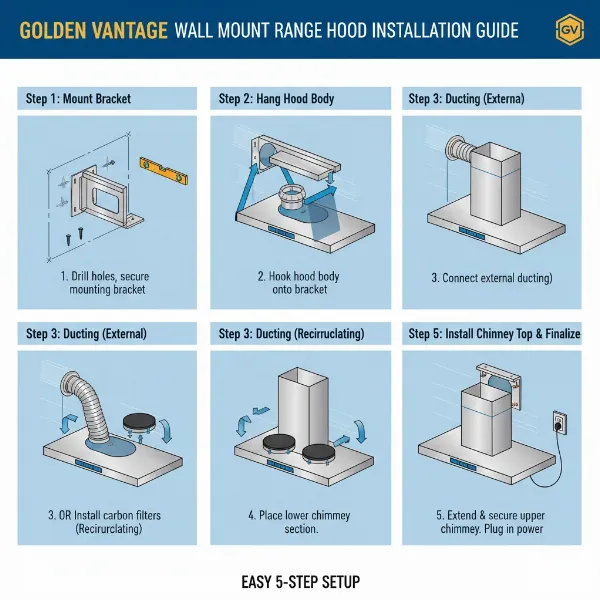
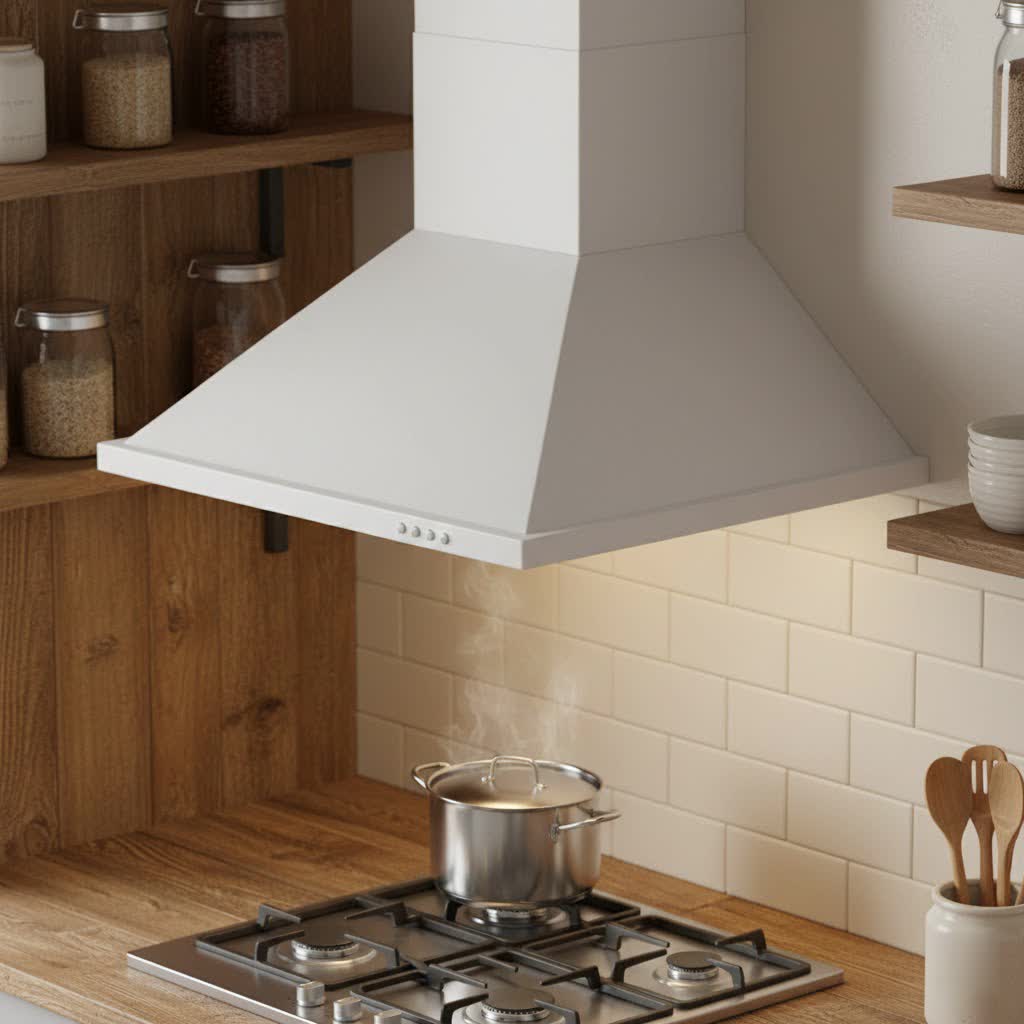
- Wall-Mounted Range Hoods: Often serving as a focal point in the kitchen, wall-mounted hoods are available in various styles, from sleek chimney designs to more robust professional-grade options. Smart sensors in these hoods ensure efficient operation for even the most ambitious cooks.
- Island Range Hoods: Designed for cooktops located on a kitchen island, these hoods hang from the ceiling. Their prominent placement makes smart features like auto-on particularly valuable for convenience and ensuring effective capture from all sides.
- Range Hood Inserts: For custom cabinetry, inserts are built directly into a decorative hood enclosure. These powerful, hidden systems benefit immensely from heat sensors, providing automated performance while maintaining a bespoke aesthetic.
Factors to Consider When Choosing Your Smart Range Hood
Selecting the ideal range hood with heat sensors and auto-on functionality involves more than just identifying the smart features. Several key factors should influence your decision to ensure it perfectly matches your kitchen’s needs and your cooking habits.
CFM (Cubic Feet per Minute) / Suction Power
The CFM rating indicates how much air the hood can move per minute. For kitchens with high-output gas ranges or frequent heavy cooking, a higher CFM is crucial for effective ventilation. A general rule of thumb suggests 100 CFM for every 10,000 BTUs of a gas range, or 100 CFM for every 10 inches of an electric range. Smart hoods often auto-adjust their CFM, providing optimal power only when needed.
Noise Level (Sones)
Nobody wants a range hood that sounds like a jet engine. Noise level is measured in “sones,” where a lower number indicates a quieter operation. Many smart range hoods are engineered for quiet performance, offering features like “Hush sound suppression” even at higher speeds, ensuring your kitchen remains a pleasant place to cook and socialize.
Ducting vs. Ductless
Range hoods are either ducted (venting air outside) or ductless (recirculating filtered air back into the kitchen). Ducted systems are generally more effective at removing smoke, grease, and odors. Ductless hoods, while easier to install, rely on charcoal filters to clean the air. For optimal performance of heat sensors and auto-on features, especially in tackling significant heat and fumes, a ducted system is often preferred.
Size and Design
The hood’s size should match your cooktop, ideally extending a few inches beyond on each side for better capture. Aesthetically, consider how the hood’s design and finish (e.g., stainless steel, glass) will integrate with your kitchen’s overall style. Modern smart hoods often feature sleek designs and integrated LED lighting that complement contemporary aesthetics.
Smart Features and Connectivity
Beyond heat sensors and auto-on, consider other smart features like Wi-Fi connectivity for app control, voice assistant integration, gesture controls, and diagnostic capabilities. These features enhance usability and can integrate your range hood into a broader smart home ecosystem.
Cooktop Compatibility
While heat sensors generally respond to rising temperatures, their effectiveness can vary with different cooktop types. For gas ranges, the radiant heat and effluent plumes are readily detected. For induction cooktops, which primarily heat the cookware itself, a sensor relying solely on ambient heat might have a slight delay. Some advanced systems use current sensing or direct Bluetooth pairing with induction hobs for precise auto-on functionality. Always verify compatibility with your specific cooktop.
Top Range Hoods with Heat Sensors and Auto-On
Several reputable brands are leading the charge in smart range hood technology, offering models with advanced heat sensors and auto-on features. Here are some examples known for their innovative ventilation solutions:
- GE Smart Range Hoods: Known for their integration with smart home ecosystems, GE offers models with built-in Wi-Fi and heat sensors that auto-activate when temperatures rise. These often include features like quiet boost and nightlight modes, making them user-friendly and convenient for medium-duty cooking.
- Wolf Pro Series Ventilation Hoods: Wolf hoods, particularly their Pro Series, are equipped with a heat sentry sensor that activates the hood when exhaust temperatures reach 200°F (93°C). Renowned for their powerful CFM and superior capture area, Wolf provides high-end solutions for serious cooks, albeit at a premium price.
- Yale Hoods: The redesigned Yale hood line incorporates built-in heat sensors that automatically switch on the hood when the range reaches higher temperatures. Featuring S-shaped baffle filters for effective grease and smoke capture and Hush sound suppression, Yale hoods combine performance with quieter operation.
- Kobe Range Hoods: Kobe offers models that boast automatic on/off capabilities based on temperature differentials and can even adjust fan speed dynamically. The Kobe Milo series is an example of their commitment to intelligent ventilation.
- Other Notable Mentions: Brands like Samsung and Broan (with their “Heat Sentry” feature focused on high-temperature safety) also offer models with varying degrees of auto-on functionality. Some KitchenAid and Thermador units, especially when paired with compatible smart cooktops, can achieve seamless auto-activation through advanced communication protocols.
Buying Guide: Making the Right Choice
Choosing the perfect smart range hood requires a thoughtful approach. Consider these steps to ensure you make an informed decision:
- Assess Your Cooking Style: Are you a light cook, or do you frequently prepare elaborate meals that produce a lot of smoke and grease? Your cooking habits will dictate the necessary CFM and the importance of robust auto-on features.
- Determine Your Budget: Range hoods with advanced sensors and smart features can vary significantly in price. Establish a realistic budget that balances desired features with affordability.
- Measure Your Space: Accurately measure the space above your cooktop and consider your kitchen’s existing layout and ducting options (ducted vs. ductless).
- Research Brands and Models: Look for reputable brands known for their reliability and customer support. Read reviews specific to models with heat sensors and auto-on capabilities.
- Consider Professional Installation: For optimal performance and safety, professional installation is highly recommended, especially for ducted systems and complex smart integrations.
- Check Warranty and Support: A good warranty and accessible customer support can provide peace of mind, particularly with sophisticated electronic components.
Conclusion
The integration of heat sensors and auto-on technology marks a significant leap forward in range hood design, transforming them from simple exhaust fans into intelligent kitchen companions. These advanced systems offer a compelling blend of enhanced safety, effortless convenience, superior air quality, and improved energy efficiency. By automatically responding to the demands of your cooking, they ensure your kitchen remains fresh, clean, and a pleasure to be in, empowering you to cook with confidence and creativity.
Are you ready to experience the future of kitchen ventilation?
Frequently Asked Questions
What is a heat sentry sensor in a range hood?
A heat sentry sensor is a feature in a range hood that automatically detects excessive heat from the cooktop. When the temperature reaches a specific threshold (e.g., 200°F or 93°C), the sensor will either turn the range hood on or increase its fan speed to the next highest setting, providing crucial ventilation and safety.
Are auto-on range hoods good for induction cooktops?
Yes, many modern auto-on range hoods are compatible with induction cooktops. While some older heat sensors primarily reacted to the radiant heat from gas flames, newer models may use smarter technologies like Bluetooth pairing with the cooktop, current sensing, or more sensitive temperature/smoke sensors designed to effectively detect the cooking activity of induction ranges. Always check the product specifications for compatibility.
Can I add an auto-on feature to my existing range hood?
Adding an aftermarket auto-on feature to an existing range hood can be complex and may void warranties or pose safety concerns if not done correctly. While DIY solutions involving current sensors or external temperature probes exist, they require electrical expertise and careful consideration of safety protocols. It is generally recommended to invest in a new range hood with these features built-in for reliability and peace of mind.
What temperature does a range hood heat sensor typically activate at?
While it can vary by manufacturer and model, many heat sensors in range hoods are designed to activate when the exhaust temperature reaches approximately 200°F (93°C). They typically deactivate when the temperature drops to around 185°F (85°C), ensuring continuous ventilation until the cooking heat subsides.