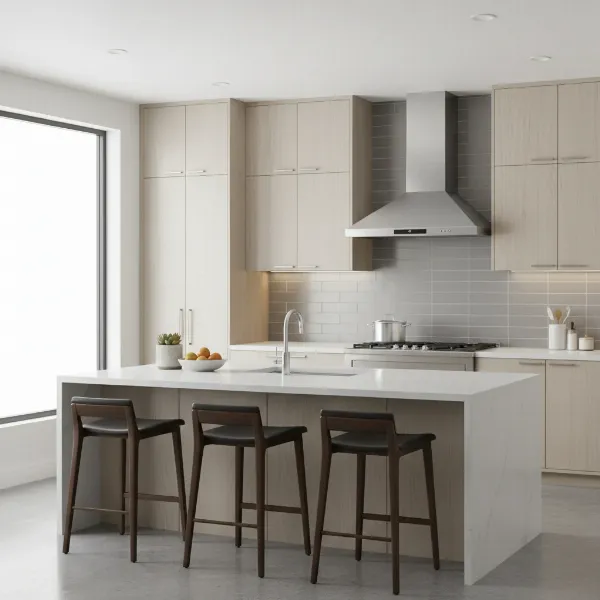
For any passionate cook or even a casual chef, the heart of the home, the kitchen, demands excellent air quality. Lingering cooking odors, grease, smoke, and steam can quickly diminish the pleasure of meal preparation and impact your home’s air. This is where a high-quality range hood becomes indispensable, transforming your cooking environment into a clean, fresh, and inviting space. When you seek the pinnacle of performance, durability, and sophisticated design, turning to range hoods manufactured in the USA or Europe is a choice that promises lasting value and superior engineering.
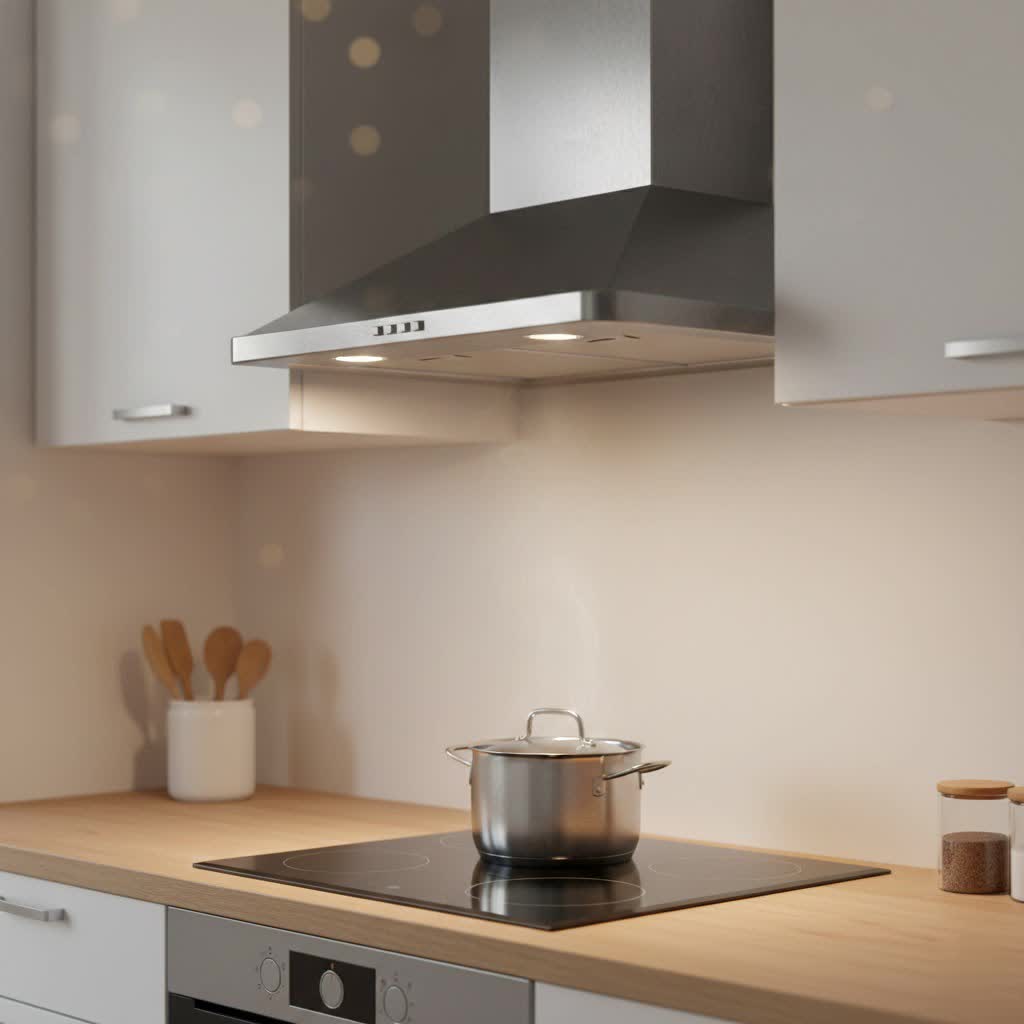
Understanding Range Hoods: Types and How They Work
Before diving into specific recommendations, let’s explore the fundamental types of range hoods and their operational principles. Understanding these distinctions is crucial for selecting the ideal unit for your kitchen’s layout and ventilation needs.
Range hoods primarily function in two ways: ducted or ductless. Ducted range hoods, also known as extractor hoods, physically expel cooking exhaust outside your home through a ventilation duct. This method is highly effective at removing all forms of airborne pollutants, including moisture, heat, grease, and odors, ensuring they do not recirculate back into your living space. Ductless, or recirculating, range hoods operate by filtering the air through charcoal or carbon filters to remove grease and odors before returning the purified air to the kitchen. While less effective than ducted systems for heat and moisture removal, modern ductless hoods with advanced filtration can still significantly improve air quality in kitchens where external venting isn’t feasible.
Beyond their operational method, range hoods also vary widely in their installation types:
- Under-Cabinet Hoods: These are fitted directly beneath kitchen cabinets, offering a sleek, integrated look and saving space.
- Wall-Mounted Hoods: Designed to be a focal point, these hoods are mounted directly on the kitchen wall above the cooking surface, often featuring a chimney-style design.
- Island Hoods: Ideal for kitchens with a central cooking island, these units are suspended from the ceiling and offer ventilation from all sides.
- Range Hood Inserts (Liners): These are built into custom cabinetry or architectural enclosures, providing powerful ventilation while blending seamlessly with your kitchen design.
- Downdraft Cooker Hoods: These innovative systems rise from the countertop behind the hob when in use and retract when not needed, offering a discreet solution, particularly for induction cooktops.
Why Choose a Range Hood from the USA or Europe?
The reputation of American and European manufacturing for appliances often precedes itself, synonymous with meticulous craftsmanship, robust materials, and cutting-edge innovation. When you invest in a range hood from these regions, you’re often buying into a legacy of quality and a commitment to performance that goes beyond basic functionality.
Manufacturers in the USA and Europe frequently adhere to stringent engineering standards and integrate advanced technologies that enhance both efficiency and user experience. This includes powerful motors designed for optimal air capture, superior filtration systems, and robust construction built to withstand the rigors of daily cooking. Furthermore, many brands pride themselves on distinctive design aesthetics, offering units that are not just utilitarian but also elevate the visual appeal of your kitchen. For many discerning homeowners, supporting brands with a rich heritage of local manufacturing also represents a value in itself.
Key Factors to Consider When Selecting Your Range Hood
Choosing the perfect range hood involves more than just picking a stylish model; it requires a thoughtful assessment of several key performance and practical considerations.
Ventilation Power (CFM/m³/h)
|
Our Picks for the Best Range hood in 2026
As an Amazon Associate I earn from qualifying purchases.
|
||
| Num | Product | Action |
|---|---|---|
| 1 | IKTCH 30-inch Wall Mount Range Hood 900 CFM Ducted/Ductless Convertible, Kitchen Chimney Vent Stainless Steel with Gesture Sensing & Touch Control Switch Panel, 2 Pcs Adjustable Lights(IKP02-30'') |

|
| 2 | Empava Wall Mount Range Hood 30 Inch, Ducted/Ductless Kitchen Exhaust Stove Vent with Modern Style, 400CFM, 3-Speed, Touch Control, Timer, LED Lights, Stainless Steel (Charcoal-Filter Sold Separately) |
|
| 3 | SNDOAS 30 inch Range Hood Ducted/Ductless Convertible Stainless Steel Range Hood Under Cabinet with Rocker Button Control,Vent Hood with LED Light,2 Speed Exhaust Fan,Under Cabinet Hood,Silver |
|
| 4 | COMFEE' CVU30W2AST Range Hood 30 Inch Ducted Ductless Vent Hood Durable Stainless Steel Kitchen Hood for Under Cabinet with 2 Reusable Filter, 200 CFM, 2 Speed Exhaust Fan Silver |
|
| 5 | COSMO COS-63175S 30 in. Vista Collection 380 CFM Ducted Wall Mount Range Hood, Touch Controls, LED Lights, Stainless Steel |
|
| 6 | COMFEE' CVU30W4AST 30 inch Under Cabinet Ducted/Ductless Convertible Slim Vent Durable Stainless Steel Kitchen Reusable Filter, 3 Speed Exhaust Fan and 1 LED Lights Range Hood, 2.0 Version |
|
| 7 | VIKIO HOME Wall Mount Range Hood 30 inch, 580 CFM, Ducted/Ductless Convertible, Stainless Steel Kitchen Vent Hood with 3-Speed Fan and LED Lights |
|
| 8 | Broan-NuTone BCSQ130SS Three-Speed Glacier Under-Cabinet Range Hood with LED Lights ADA Capable, 1.5 Sones, 375 Max Blower CFM, 30-Inch, Stainless Steel |
|
| 9 | Broan-NuTone 413001 Non-Ducted Ductless Range Hood with Lights Exhaust Fan for Under Cabinet, 30-Inch, White |
|
| 10 | AMZCHEF Under Cabinet Range Hood 30 Inch, 750CFM Stainless Steel Kitchen Stove Vent Hood 3 Speed Exhaust Fan Touch/Remote/Gesture Control LED lights Time Setting Dishwasher-Safe Baffle Filters |
|
The effectiveness of a range hood hinges significantly on its ventilation power, typically measured in Cubic Feet per Minute (CFM) in the USA or cubic meters per hour (m³/h) in Europe. To ensure adequate air purification, your range hood should be powerful enough to clean the entire volume of air in your kitchen at least 10-12 times per hour. A good rule of thumb for gas ranges is to have at least 100 CFM per 10,000 BTUs of burner output. For electric cooktops, a minimum of 100 CFM per 10 inches of stove width is often recommended. If your kitchen measures 50 cubic meters, for example, you would need a hood with a motor of at least 500-600 m³/h to meet the recommended air changes.
Noise Levels
No one wants their kitchen to sound like an airport runway while cooking. The noise level of a range hood, measured in sones or decibels (dB), is a crucial factor for a pleasant cooking environment. Many premium American and European brands prioritize quiet operation through advanced motor designs and insulation. Some brands, like Falmec, feature Noise Reduction System (NRS) technology, making their hoods among the quietest in the world. [cite: 1 (search result for “Best European range hood brands”)] Look for models that operate below 60 dB at their highest setting, with some ultra-quiet options going as low as 45 dB.
Size and Design
The size and style of your range hood should complement your kitchen’s aesthetics and dimensions. Standard sizes for hoods are often 60 cm (approximately 24 inches) or 90 cm (approximately 36 inches), but custom and larger models up to 180 cm are available. The hood’s width should ideally match or exceed the width of your cooking surface to ensure optimal capture area. Beyond dimensions, consider the overall design – from sleek, modern stainless steel and glass to traditional, robust enclosures – to ensure it integrates harmoniously with your kitchen’s décor. Always verify the manufacturer’s recommended distance between the hood and the hob for safety and optimal performance.
Material and Maintenance
The durability and ease of cleaning are directly linked to the materials used in a range hood’s construction. Stainless steel is a popular choice for its resilience, hygienic properties, and modern appearance. Glass accents often add a touch of elegance. Look for hoods with dishwasher-safe baffle or mesh filters, which significantly simplify routine cleaning and maintenance. Some innovative systems, like Vent-A-Hood’s E-Z Clean System, are specifically designed to make grease removal effortless.
Smart Features and Technology
Modern range hoods are increasingly incorporating smart technologies to enhance convenience and efficiency. These can include digital touch controls, remote operation, programmable timers, and energy-efficient LED lighting. Advanced models might also feature anti-condensation systems, particularly useful for high-steam induction hobs, or even air quality sensors that automatically adjust fan speed based on detected pollutants. The Norwegian RørosHetta SENSE cooker hood, for example, boasts 11 sensors to measure air quality components like fine particles, VOCs, humidity, and temperature. [cite: 1 (search result for “Best European range hood brands”)]
Energy Efficiency
For environmentally conscious consumers and those looking to reduce utility bills, energy efficiency is an important consideration. European-made range hoods, in particular, often carry high energy efficiency ratings (e.g., A, A+, A++), reflecting rigorous standards and advanced motor designs that consume less power. These ratings indicate not only lower electricity consumption but also often translate to quieter operation and better overall performance.
Top American-Made Range Hoods for Superior Performance
When investing in kitchen ventilation, American-made range hoods offer robust construction, powerful performance, and a legacy of innovation.
Vent-A-Hood
Founded in 1933, Vent-A-Hood, based in Richardson, Texas, holds the distinction of being the oldest manufacturer of residential range hoods in America. Each Vent-A-Hood product is individually engineered, focusing on both performance and style. Their patented Magic Lung blower system is renowned for its whisper-quiet operation and highly effective grease removal, making it a favorite among discerning homeowners. The brand offers a wide array of styles, including Under Cabinet, Wall Mounted, Island, and Liner Inserts, along with custom options, ensuring a perfect fit for any kitchen design. With a strong emphasis on durability and ease of cleaning through features like their E-Z Clean System, Vent-A-Hood represents a long-term investment in kitchen air quality.
BlueStar
BlueStar, a brand with a rich heritage dating back to 1880, proudly handcrafts professional-grade appliances, including their ventilation systems, in Pennsylvania, USA. BlueStar range hoods are celebrated for their unmatched power and performance, often favored by professional chefs for achieving commercial-quality results at home. What truly sets BlueStar apart is its unparalleled customization. Homeowners can select from over 1,000 colors and various trim options to create a unique ventilation solution that perfectly complements their kitchen’s aesthetic. This blend of high performance and bespoke design makes BlueStar an excellent choice for those seeking a truly personalized and powerful American-made range hood.
Leading European Range Hoods: Innovation and Elegant Design
Europe is a hub for sophisticated design and advanced engineering in kitchen appliances, and its range hood manufacturers are no exception, offering innovative solutions with a strong emphasis on efficiency and aesthetics.
Falmec
Hailing from Italy, Falmec is a prominent European brand known for its commitment to purifying kitchen air and significantly reducing noise. Their products are entirely designed, developed, and made in Vittorio Veneto, showcasing a deep tradition of Italian craftsmanship. [cite: 1 (search result for “Best European range hood brands”)] Falmec’s signature Noise Reduction System (NRS) technology integrates into some of the quietest hoods globally, ensuring a tranquil cooking environment. [cite: 1 (search result for “Best European range hood brands”)] Models like the Falmec MARE E.ION E.ion System island hood exemplify their blend of elegant design with advanced air purification capabilities.
Miele
The German powerhouse Miele is a leading name in European appliances, offering range hoods that consistently receive high marks for energy efficiency. Many Miele models boast impressive A or A++ energy efficiency ratings, reflecting advanced engineering that optimizes performance while minimizing power consumption. Miele offers a variety of island range hoods with excellent fluid dynamic efficiency, lighting efficiency, and grease filtering capabilities, ensuring comprehensive ventilation. Their reputation for precision engineering and durable construction makes Miele a top choice for those seeking a reliable and energy-conscious European range hood.
Elica, Franke, and Faber
These Italian and Swiss brands are also major players in the European market, consistently appearing on “best-selling” lists due to their combination of advanced technology, contemporary design, and diverse product offerings. Elica, for instance, offers aesthetically striking wall-mounted hoods like the Elica SWEET COPPER/F/85, which functions as a sculptural design element. Franke’s Smart Deco series is celebrated for its elegant features and efficiency, while Faber contributes with a range of innovative solutions. These brands are excellent choices for homeowners looking for a harmonious blend of style, functionality, and European quality.
Buying Guide: Making the Right Investment
Selecting a range hood from the USA or Europe is an investment in your home’s air quality and kitchen experience. To ensure you make the best choice, consider these practical steps:
- Define Your Budget: High-quality range hoods can vary significantly in price. Establish a realistic budget that aligns with your expectations for features and brand prestige.
- Assess Your Cooking Habits and Kitchen Layout: Do you frequently cook greasy or aromatic foods? What is the size and layout of your kitchen? These factors will dictate the required CFM/m³/h, installation type (wall-mounted, island, under-cabinet), and size of your hood.
- Measure Your Space: Accurately measure the available space for the range hood, paying close attention to width, depth, and the distance from the cooktop to the bottom of where the hood will be installed. This ensures proper fit and optimal performance.
- Choose Reputable Brands: Stick to established American and European manufacturers known for their quality, such as Vent-A-Hood, BlueStar, Falmec, Miele, Elica, and Franke. Their track records for reliability and customer satisfaction are invaluable.
- Check Warranty and After-Sales Support: A good warranty provides peace of mind, and readily available customer service and parts ensure long-term usability of your investment.
Conclusion
A premium range hood, especially one meticulously crafted in the USA or Europe, is more than just an appliance; it’s a vital component of a healthy, comfortable, and stylish kitchen. By prioritizing superior ventilation, quiet operation, and elegant design, brands from these regions offer unparalleled quality and performance. Whether you opt for the robust, powerful systems from American manufacturers like Vent-A-Hood and BlueStar, or the innovative, energy-efficient designs from European leaders such as Falmec and Miele, you’re making a wise investment that will enhance your culinary experiences for years to come.
What features do you value most in a kitchen appliance – raw power, whisper-quiet operation, or cutting-edge smart technology?
Frequently Asked Questions
What are the main benefits of a ducted versus a ductless range hood?
Ducted range hoods offer superior performance by expelling all cooking contaminants, including smoke, grease, heat, and moisture, outside your home, leading to significantly better air quality and moisture control. Ductless models, conversely, filter and recirculate air, making them suitable for installations where external venting isn’t possible, though they are generally less effective at removing heat and humidity.
How do I calculate the appropriate CFM for my kitchen range hood?
For electric cooktops, a general guideline is 100 CFM for every 10 inches of stovetop width. For gas cooktops, a more precise method is to calculate 100 CFM for every 10,000 BTUs of your range’s maximum output. Additionally, consider your kitchen’s volume, aiming for a hood that can exchange the air 10-12 times per hour.
Are European range hoods generally more energy-efficient than American models?
Many European range hoods are designed to meet stringent energy efficiency standards, often indicated by A, A+, or A++ ratings. While American manufacturers are increasingly focusing on efficiency, European models frequently highlight lower energy consumption as a core feature, often employing advanced motor technologies to achieve this.
What contributes to a range hood being “quiet”?
A range hood’s quiet operation is influenced by several factors, including the quality and design of its motor, the efficiency of its blower system (like Vent-A-Hood’s Magic Lung), and the insulation materials used in its construction. Brands that specifically advertise noise reduction technologies, such as Falmec’s NRS, are often engineered to minimize decibel levels for a more peaceful kitchen environment.