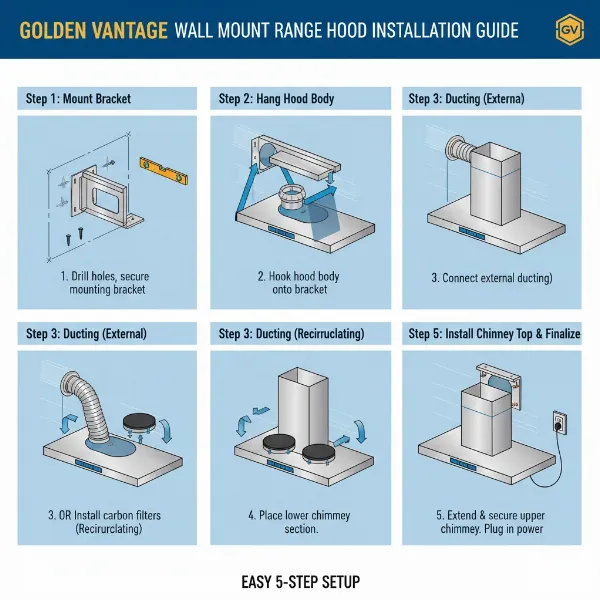
Few things are more frustrating in the kitchen than a vent hood that just isn’t pulling its weight. You’re cooking up a storm, and instead of whisking away the smoke and odors, your kitchen fills with a lingering haze. A weak or non-existent suction isn’t just an annoyance; it compromises your indoor air quality, leaves grease buildup on surfaces, and can even pose a fire hazard over time. But don’t despair! Many issues causing poor range hood suction are surprisingly simple to diagnose and fix yourself. This guide will walk you through the common culprits and provide clear, actionable steps to get your kitchen’s workhorse back to peak performance.
Understanding Your Vent Hood’s Vital Role
Your vent hood, also known as a range hood or exhaust fan, plays a critical role in maintaining a clean and healthy kitchen environment. Its primary function is to capture cooking byproducts—smoke, steam, grease, and odors—and either filter them before recirculating the air or expel them outside your home through a duct system. When working correctly, it ensures that your kitchen remains fresh, your cabinets stay cleaner, and you breathe easier. Proper airflow is essential for this process, as sufficient suction is what effectively draws these contaminants away from your cooking surface.
Initial Quick Checks: Is It a Simple Fix?
Before diving into complex diagnostics, let’s start with a couple of easy tests to quickly gauge your hood’s performance and potentially pinpoint the issue.
The Paper Test
|
Our Picks for the Best Range hood in 2026
As an Amazon Associate I earn from qualifying purchases.
|
||
| Num | Product | Action |
|---|---|---|
| 1 | COSMO COS-63175S 30 in. Vista Collection 380 CFM Ducted Wall Mount Range Hood, Touch Controls, LED Lights, Stainless Steel |

|
| 2 | COMFEE' CVU30W4AST 30 inch Under Cabinet Ducted/Ductless Convertible Slim Vent Durable Stainless Steel Kitchen Reusable Filter, 3 Speed Exhaust Fan and 1 LED Lights Range Hood, 2.0 Version |
|
| 3 | COMFEE' CVU30W2AST Range Hood 30 Inch Ducted Ductless Vent Hood Durable Stainless Steel Kitchen Hood for Under Cabinet with 2 Reusable Filter, 200 CFM, 2 Speed Exhaust Fan Silver |
|
| 4 | Broan-NuTone BCSQ130SS Three-Speed Glacier Under-Cabinet Range Hood with LED Lights ADA Capable, 1.5 Sones, 375 Max Blower CFM, 30-Inch, Stainless Steel |
|
| 5 | VIKIO HOME Wall Mount Range Hood 30 inch, 580 CFM, Ducted/Ductless Convertible, Stainless Steel Kitchen Vent Hood with 3-Speed Fan and LED Lights |
|
| 6 | Empava Wall Mount Range Hood 30 Inch, Ducted/Ductless Kitchen Exhaust Stove Vent with Modern Style, 400CFM, 3-Speed, Touch Control, Timer, LED Lights, Stainless Steel (Charcoal-Filter Sold Separately) |
|
| 7 | AMZCHEF Under Cabinet Range Hood 30 Inch, 750CFM Stainless Steel Kitchen Stove Vent Hood 3 Speed Exhaust Fan Touch/Remote/Gesture Control LED lights Time Setting Dishwasher-Safe Baffle Filters |
|
| 8 | SNDOAS 30 inch Range Hood Ducted/Ductless Convertible Stainless Steel Range Hood Under Cabinet with Rocker Button Control,Vent Hood with LED Light,2 Speed Exhaust Fan,Under Cabinet Hood,Silver |
|
| 9 | IKTCH 30-inch Wall Mount Range Hood 900 CFM Ducted/Ductless Convertible, Kitchen Chimney Vent Stainless Steel with Gesture Sensing & Touch Control Switch Panel, 2 Pcs Adjustable Lights(IKP02-30'') |
|
| 10 | Broan-NuTone 413001 Non-Ducted Ductless Range Hood with Lights Exhaust Fan for Under Cabinet, 30-Inch, White |
|
A quick and common way to assess your range hood’s suction power is the paper test. Turn your hood on to its highest setting. Hold a single sheet of paper towel or a thin tissue directly under the filters. If the hood is functioning properly, the paper should be held against the filter by the suction without you needing to hold it. If it falls or barely clings, you definitely have a suction problem.
The Makeup Air Test
In modern, energy-efficient homes, weak suction can sometimes be attributed to a lack of “makeup air.” When a powerful range hood tries to pull a large volume of air out of a tightly sealed house, it can create a negative pressure environment. This vacuum effect makes it difficult for the fan to move air effectively. To test for this, simply open a nearby window or door while your hood is running at full power. If the suction noticeably improves, a lack of makeup air is likely contributing to your problem.
Common Culprits Behind Weak Suction
Several factors can lead to a decline in your range hood’s suction power. Understanding these common issues is the first step toward effective troubleshooting.
Clogged Filters: The Number One Offender
The most frequent cause of poor range hood performance is neglected filters. These are your hood’s first line of defense against grease and airborne particles, and they can quickly become saturated.
- Grease Filters (Metallic Mesh/Baffle): These filters, typically found in ducted hoods, trap grease particles. Over time, they become caked with hardened grease and grime, severely restricting airflow. When filters are saturated, the motor has to work harder against the blockage, significantly reducing effective suction velocity.
- Charcoal Filters (Ductless Models): If your hood is ductless and recirculates air back into the kitchen, it relies on charcoal (or carbon) filters to absorb odors and trap fine particles. These filters are disposable and become less effective, and eventually completely blocked, as they accumulate contaminants.
Ductwork Obstructions and Issues
The duct system carries the extracted air outside. Any problem here can drastically reduce suction.
- Blockages: Grease buildup within the ducts, debris, or even animal nests (like birds or rodents) can create significant obstructions. Inspecting the ductwork with a flashlight can often reveal such blockages.
- Kinks, Crushed Ducts, or Leaks: Flexible ducting can easily kink or get crushed during installation or over time, impeding airflow. Rigid ducts can develop leaks or gaps at joints, allowing air to escape before it’s exhausted, thus reducing overall efficiency.
- Improper Duct Size or Excessive Length/Bends: An incorrectly sized duct (e.g., too small) or a duct run that is too long with too many 90-degree elbows increases air resistance, making the fan work harder and reducing airflow.
Damper Malfunctions
Dampers are flaps designed to prevent outside air from entering your home when the hood is off.
- Internal Backdraft Damper: Located where the hood connects to the ductwork, this damper can get stuck closed or partially open due to grease buildup or a broken spring mechanism. Ignoring a stuck damper forces the fan to push air against a closed door, creating back pressure and potentially burning out the motor.
- Exterior Vent Cap Damper: The damper on the external vent cap can also become jammed by debris, ice, or sticky residue, preventing it from opening fully.
Dirty Fan Blades
While filters catch most of the grease, some inevitably makes its way to the fan blades (also called the blower wheel).
- Grease Buildup: A thick layer of grease on the fan blades can throw the fan out of balance and reduce its ability to move air efficiently. This also puts extra strain on the motor.
Motor or Blower Problems
Less common than filter or duct issues, but the motor or blower itself can be the source of trouble.
- Worn-Out Motor: Over time, especially with heavy use and poor maintenance, the motor can simply wear out.
- Failing Capacitor: The motor’s capacitor provides the initial boost to get the fan spinning at full speed. A failing capacitor might cause the fan to run slowly or not at all.
Improper Installation or Sizing
Sometimes, the problem isn’t a malfunction but an installation oversight or an unsuitable hood for your kitchen needs.
- Incorrect Height: If the hood is mounted too high above the cooktop, smoke and steam can dissipate before the fan can effectively capture them.
- Shipping Caps: In rare cases, a cap designed to protect the vent during shipping might have been left on by an installer, completely blocking the exhaust.
- Undersized Hood: A hood with insufficient CFM (Cubic Feet per Minute) for your cooktop’s heat output or kitchen size won’t be able to handle the cooking fumes, leading to perceived poor suction.
Step-by-Step Troubleshooting Guide
Ready to get your hands dirty? Here’s a systematic approach to diagnose and fix poor suction in your range hood. Always disconnect power to your range hood at the circuit breaker before performing any maintenance or inspection.
Step 1: Inspect and Clean/Replace Filters
This is where you should always begin, as it’s the most common and easiest fix.
- Metallic Mesh/Baffle Filters: Remove these filters (refer to your user manual if unsure). Inspect them for grease buildup. Soak heavily soiled filters in hot water with a strong degreasing dish soap and a generous amount of baking soda for at least 30 minutes, or even an hour. Scrub gently with a soft brush, then rinse thoroughly. Many are also dishwasher-safe; run them on a heavy-duty cycle. Ensure they are completely dry before reinstalling. Clean these monthly or more frequently if you cook often.
- Charcoal Filters: These are found in recirculating (ductless) hoods. They cannot be cleaned and must be replaced. Consult your user manual for the correct replacement filter type and frequency. Generally, they need changing every 3-6 months, depending on cooking habits.
Step 2: Check the Ductwork for Obstructions
After addressing filters, inspect the ducting if your hood is vented.
- Visual Inspection: With filters removed and power off, use a flashlight to look up into the duct opening inside the hood. Look for any visible blockages, significant grease accumulation, or signs of kinks if you have flexible ducting.
- Exterior Check: Go outside and inspect the exterior vent cap. Ensure it’s clear of debris (leaves, nests) and that the damper flap can open freely.
Step 3: Examine the Damper
Dampers are crucial for airflow.
- Internal Damper: Gently try to move the internal backdraft damper flap by hand (again, with power off). It should swing freely. If it’s sticky or stuck, carefully clean any grease buildup around its hinges. Ensure it closes completely when not forced open and opens fully when pushed.
- Exterior Damper: At the external vent cap, gently push the flap to ensure it’s not seized or obstructed by anything that would prevent it from opening when the fan is on. Clean any residue around it.
Step 4: Clean the Fan Blades
If accessible and after ensuring power is off, inspect the fan blades.
- Accessing Blades: This might require some disassembly of the hood, so consult your user manual.
- Cleaning: If the blades are covered in grease, carefully clean them using a degreaser and a cloth. Greasy blades can become unbalanced and less effective. Be gentle to avoid bending or damaging them.
Step 5: Verify Power and Motor Function
While less likely to cause poor suction (they usually cause no suction), it’s worth a quick check.
- Power Supply: Ensure the hood is receiving power by checking your circuit breaker. Listen to the motor when you turn the hood on. Does it sound strained, unusually loud, or weaker than normal? This could indicate a motor issue. Any deeper electrical troubleshooting should be left to a qualified technician.
Step 6: Consider Makeup Air Solutions
If your initial window test significantly improved suction, you might need a permanent makeup air solution.
- Professional Assessment: For high-CFM hoods in airtight homes, installing a dedicated makeup air system might be necessary. This is a job for an HVAC professional to ensure proper sizing and integration.
“Many homeowners overlook the importance of clean filters and clear ducts. In my experience, over 80% of poor suction complaints can be resolved with thorough cleaning and inspection of these components. It’s often simple maintenance, not a complex failure, that’s robbing your kitchen of proper ventilation.” – Admin, Reviewike.com, Vent Hood Specialist
Preventative Maintenance for Peak Performance
Regular maintenance is key to avoiding future suction problems and extending the life of your appliance.
- Routine Filter Care: Clean metallic mesh filters monthly and replace charcoal filters every 3-6 months, or more often if you cook frequently or fry foods.
- Ductwork Spot Checks: Annually, perform a visual inspection of accessible ductwork and the exterior vent cap to ensure there are no blockages or damage.
- Periodic Deep Clean: Every 6-12 months, give the interior of your hood, including accessible fan blades, a thorough degreasing clean.
When to Call a Professional
While many issues can be resolved with DIY troubleshooting, some problems warrant professional attention.
- Persistent Issues: If you’ve tried all the above steps and your hood’s suction remains weak.
- Electrical Problems: Any issues involving wiring, switches, or the motor beyond basic inspection should be handled by a licensed electrician or appliance technician for safety.
- Motor Failure: If you suspect the motor is burnt out or failing, replacement is typically a job for a professional.
- Complex Ductwork: If you identify significant duct damage, persistent blockages you can’t reach, or need to reconfigure ducting, a professional can provide the expertise.
Conclusion
A fully functioning vent hood is indispensable for a comfortable, clean, and healthy kitchen. While poor suction can be a frustrating problem, it’s often a solvable one, usually stemming from straightforward maintenance oversights like clogged filters or obstructed ductwork. By systematically troubleshooting the common culprits and committing to regular preventative maintenance, you can ensure your range hood continues to effectively clear your cooking space for years to come. Isn’t a fresh kitchen worth a little elbow grease?
Frequently Asked Questions
How often should I clean my range hood filters?
Metallic mesh or baffle filters should be cleaned at least once a month, or more frequently if you cook with a lot of grease or oils. For recirculating hoods, charcoal filters need replacement every 3 to 6 months.
Can a dirty vent hood be a fire hazard?
Yes, absolutely. Accumulated grease in filters and ductwork is highly flammable. If left uncleaned, hot cooking flames or sparks can ignite this grease, leading to a dangerous kitchen fire.
What is “makeup air” and why is it important for my range hood?
Makeup air is replacement air that enters your home as your range hood exhausts air out. Without adequate makeup air, powerful vent hoods can create negative pressure, hindering their ability to effectively remove smoke and odors.
How can I tell if my range hood motor is failing?
Signs of a failing motor include unusual noises (grinding, humming, rattling), significantly decreased airflow despite clean filters and clear ducts, or intermittent operation where the fan struggles to start or maintain speed.
Is it okay to run my range hood without filters?
It is not recommended to run your range hood without filters. Filters protect the motor and ductwork from grease buildup, which can damage components, reduce efficiency, and create a fire hazard.